
Beautiful Plants For Your Interior
Beautiful Plants For Your Interior
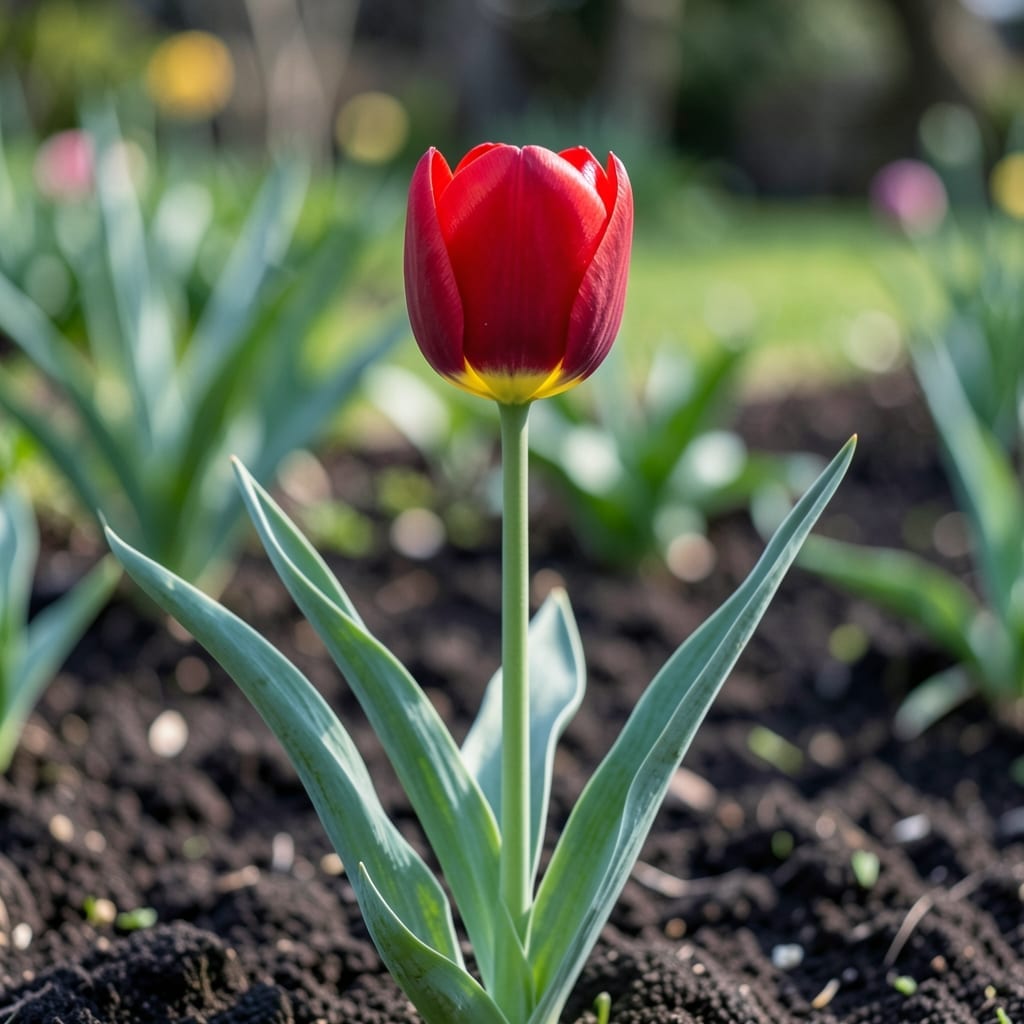
Tulips are a garden favorite, but their blooming success hinges on one critical factor: sunlight. Get this wrong, and you might end up with weak stems instead of vibrant 🌷 blooms.
I’ve seen too many gardeners struggle with lackluster flowers simply because they underestimated how much light these beauties need. The good news? It’s easier to fix than you think.
Let me walk you through exactly what tulips require to thrive, from ideal daily exposure to the best spots in your garden. You’ll be rewarded with stunning flowers come spring.


If you want your tulips to produce those iconic colorful blooms, sunlight is non-negotiable. These spring flowers aren’t just pretty—they’re sun worshippers at heart, requiring consistent light to fuel their growth.
I’ve learned through experience that tulips perform best with 6-8 hours of direct sunlight daily. This isn’t just a suggestion—it’s the difference between vibrant flowers and sad, leggy stems.
| Requirement | Specification |
|---|---|
| Ideal Sunlight | Full sun |
| Daily Exposure | 6-8 hours |
| Light Type | Direct sunlight |
| Best Window | South-facing |
| Minimum Light | 4-6 hours |
In my garden, I always plant tulips in the sunniest spots, typically along the south-facing border. This ensures they get that full sun exposure they crave from morning to afternoon.
What happens with less light? You might still get flowers, but they’ll be smaller and weaker. The bulbs also struggle to store enough energy for next year’s blooms, which means fewer flowers in future seasons.
For those in warmer climates (USDA zones 7-8), a bit of afternoon shade can actually help. It prevents the bulbs from overheating while still giving them enough light to thrive.
If you’re planting in containers, place them where they’ll get maximum sunlight. A sunny patio or balcony works perfectly. Just
The growth stages are particularly light-sensitive. During the bulb development phase in fall, sunlight helps establish strong roots. Then in spring, those 6-8 hours of sun fuel the rapid growth and flowering.
I’ve noticed that tulips in partial shade often produce blind buds—buds that never open. This is your plant’s way of saying it’s not getting enough energy from the sun.
For the best results, aim for that sweet spot of 6-8 hours. Your tulips will reward you with strong stems, vibrant colors, and long-lasting blooms that make all the effort worthwhile. ☀️
Even with the best intentions, tulips can struggle if they’re not getting enough sunlight. I’ve seen weak stems and pale blooms in gardens where the light just isn’t quite right. These are your first clues that something’s off.
The most obvious sign is small or nonexistent flowers. When tulips don’t get their 6-8 hours of sun, they can’t produce the energy needed for those show-stopping blooms we all love.
⚠️ Warning: Blind buds (buds that never open) are a classic sign of light deficiency. If you notice this, your tulips are begging for more sun!
Leggy growth is another red flag. Tulips stretching toward the light often end up tall and weak, unable to support their own flowers. This is your plant’s way of trying to reach for the sun it’s missing.
You might also see yellowing leaves or stunted growth. While these can indicate other issues, in combination with poor blooming, they often point to insufficient light. I’ve found that tulips in deep shade rarely thrive.
If you spot these signs, don’t despair. The solution is often as simple as relocating your bulbs to a sunnier spot next season. For existing plants, you can try thinning nearby foliage to let in more light.
Prevention is always better than cure. When planting, I always check the sunlight in my chosen spot throughout the day. A little observation now can save you from disappointing blooms later. ☀️