
Beautiful Plants For Your Interior
Beautiful Plants For Your Interior
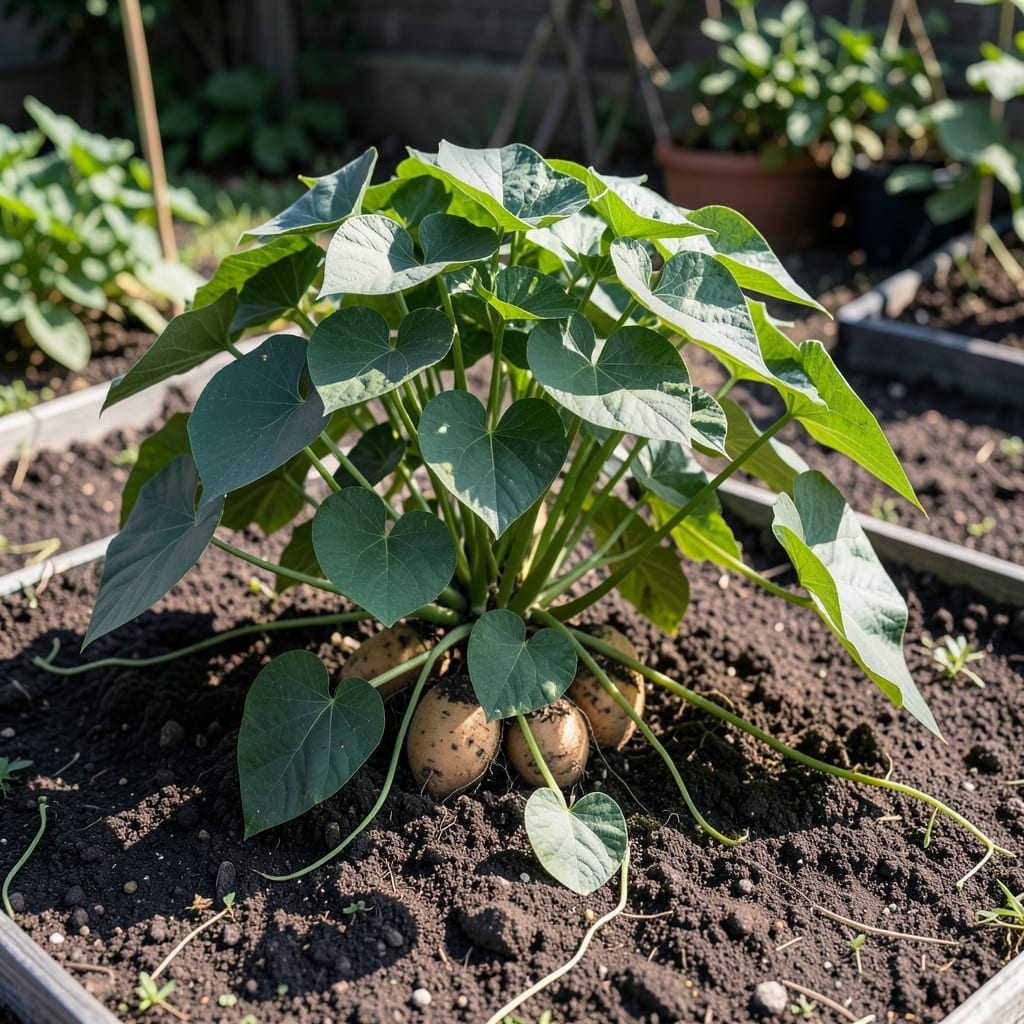
Sweet potatoes are a garden favorite, but their sun requirements often spark debate among growers. The right light exposure can mean the difference between a mediocre harvest and a bumper crop of delicious 🍠 tubers.
I’ve seen many gardeners struggle when their Sweet Potato plants don’t thrive as expected. Often, the issue boils down to not giving them enough sunlight.
Discover how much sun these plants truly need and how to optimize their growing conditions for the best results.

If you want big, sweet tubers, sunlight is non-negotiable. Sweet potatoes are sun-worshippers that thrive with as much direct light as possible. In my experience, 6-8 hours daily is the sweet spot for robust growth.
These plants are native to tropical regions, where intense sunlight fuels their development. Without enough light, they’ll produce more leaves than tubers, leaving you with a disappointing harvest.
| Requirement | Specification |
|---|---|
| Minimum Sun | 6 hours daily |
| Optimal Sun | 8+ hours daily |
| Light Type | Direct sunlight |
| Shade Tolerance | Low (not recommended) |
I’ve tested sweet potatoes in partial shade, and the results were underwhelming. The vines grew long and leafy, but the tubers stayed small and underdeveloped. This confirms that full sun is essential for maximizing yield.
For gardeners in cooler climates, aim for the sunniest spot in your yard. South-facing locations are ideal, as they receive the most consistent light throughout the day. Even in hotter regions, don’t shy away from full sun—these plants can handle it.
If you’re growing in containers, place them where they’ll get unobstructed sunlight for most of the day. Balconies, patios, or driveways often work well. Just ensure the containers are large enough to accommodate the spreading vines.
One common mistake I see is planting too early in the season. Sweet potatoes need warm soil (at least 60°F) and warm air to thrive. Waiting until 2-3 weeks after the last frost ensures they get off to a strong start.
Another tip: mulch around the plants to retain moisture and suppress weeds, but avoid heavy mulches that can block light. Straw or grass clippings work well and won’t interfere with sunlight absorption.
In regions with intense afternoon sun, a little dappled shade during the hottest part of the day won’t hurt. However, morning sun is critical, as it’s less harsh and more effective for photosynthesis.
To sum up, if you want plump, flavorful sweet potatoes, prioritize full sun exposure. The more light they get, the better your harvest will be. It’s that simple ☀️
I always remind gardeners that consistency matters most. A few cloudy days won’t ruin your crop, but chronic low light will. Monitor your plants and adjust their location if needed 🌱
Even with the best intentions, sweet potatoes can struggle if they’re not getting enough sunlight. The first sign I notice is stunted vine growth, where plants seem to stretch toward the light without thickening properly.
Another red flag is yellowing leaves, especially on the lower parts of the plant. This often indicates that the plant isn’t photosynthesizing efficiently due to insufficient light exposure. We’ve all seen it happen.
⚠️ Warning: Poor tuber formation is the most obvious sign of light deficiency. If your plants are producing small or misshapen tubers, they’re likely begging for more sun!
In my garden, I once planted sweet potatoes in a partially shaded spot near a fence. The vines grew long and leggy, but the tubers were tiny and sparse. This taught me that light quality matters just as much as quantity.
If you notice slow growth despite warm temperatures and good soil, check your sunlight conditions. Sweet potatoes in low-light areas often take longer to mature, which can delay your entire harvest timeline.
Another symptom is weak stems that can’t support the plant’s weight. This happens because the plant isn’t getting enough energy from sunlight to build strong structural growth. It’s a clear sign to relocate.
To fix these issues, I recommend moving plants to a sunnier location or pruning nearby obstructions. Even trimming back overhanging branches can make a big difference in light penetration.
If relocation isn’t an option, consider reflective mulches or light-colored surfaces to bounce extra light onto your plants. Every bit helps when you’re dealing with light deficits 🌱