
Beautiful Plants For Your Interior
Beautiful Plants For Your Interior
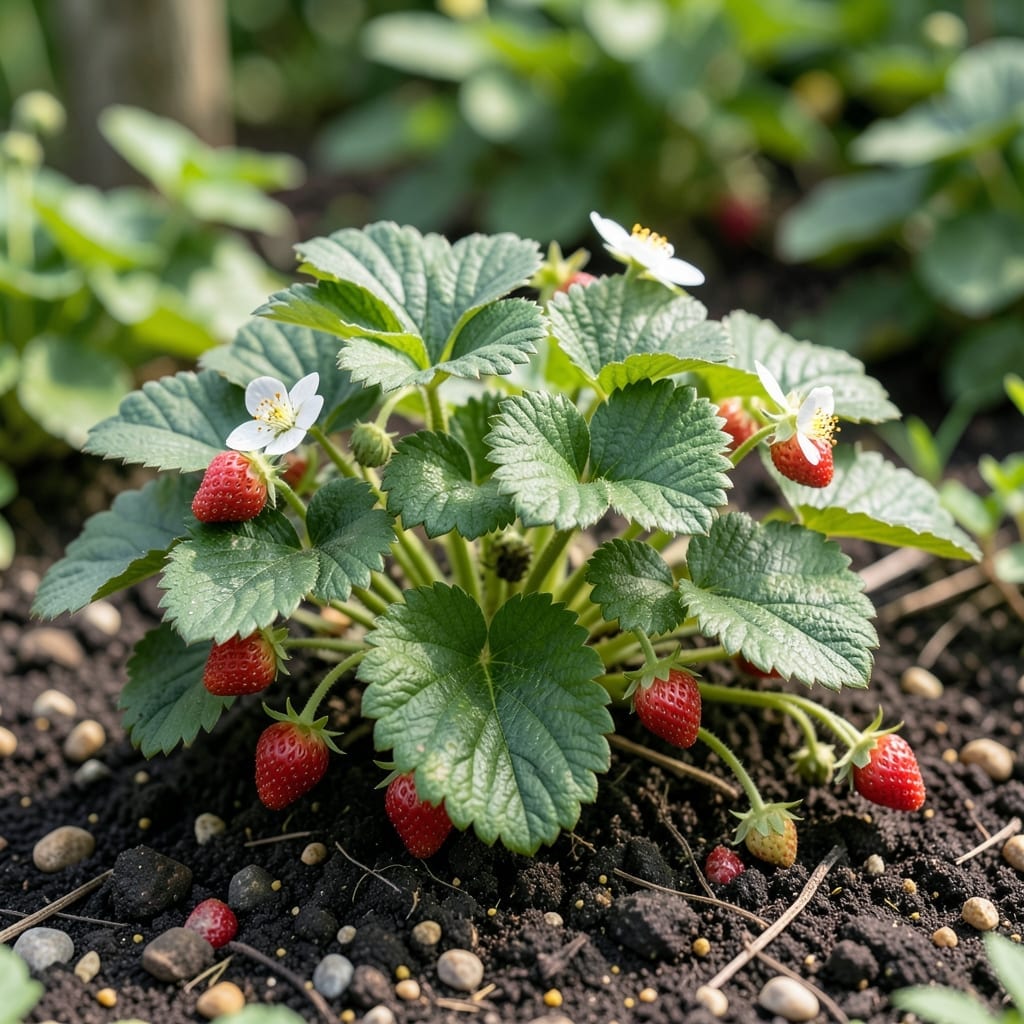
I’ve seen gardeners struggle with Strawberry 🍓 harvests, all because they misunderstood one crucial factor: light. The difference between a mediocre crop and bursting-with-flavor berries often comes down to sunlight.
While many assume these plants demand full sun, the reality is more nuanced. Your location, variety, and even container choice can change the ideal setup.
Discover how to give your plants exactly what they need for the sweetest results, whether you have a sunny backyard or a shady balcony.

I’ve tested strawberry plants in various light conditions, and the results are clear. Most varieties thrive with 6-8 hours of direct sunlight daily. This isn’t just a preference—it’s a necessity for sugar development and fruit production.
Full sun ensures your plants produce the sweetest, most abundant berries. Without enough light, you’ll notice smaller fruits and reduced yields. The science is simple: sunlight fuels photosynthesis, which directly impacts berry quality.
| Variety | Sun Requirement | Notes |
| June-bearing | 6-8 hours | Best for single harvest |
| Everbearing | 6+ hours | Multiple harvests per year |
| Day-neutral | 4-6 hours | Tolerates partial shade |
June-bearing strawberries are the most sun-dependent, requiring a full 8 hours for peak performance. I’ve found they produce the largest, juiciest berries when given unfiltered sunlight from morning to late afternoon.
For everbearing varieties, aim for at least 6 hours of direct light. These plants are slightly more flexible but still need consistent sun to maintain their multiple harvest cycles throughout the growing season.
Day-neutral strawberries are the most adaptable, thriving in as little as 4-6 hours of sunlight. This makes them ideal for gardeners with partial shade or container setups on balconies with limited sun exposure.
In my experience, even shade-tolerant varieties perform better with more light. The key is to monitor your plants: leggy growth or small berries often signal they’re not getting enough sun. Adjust their position if possible.
If you’re growing in containers, place them where they’ll receive the maximum available sunlight. South-facing windowsills or patios work best. Rotate pots regularly to ensure all sides of the plant get equal exposure.
Remember, sunlight needs can vary by climate. In hotter regions, afternoon shade can actually benefit plants by preventing heat stress. In cooler areas, every extra hour of sun counts toward sweeter, more abundant fruit.
I always recommend starting with the highest light conditions your space allows. You can then adjust based on how your plants respond. With the right balance, you’ll be rewarded with a bountiful harvest of delicious strawberries. ☀️
I’ve successfully grown strawberries in less-than-ideal light, and you can too. While full sun is best, some varieties adapt well to partial shade or container life. The key is choosing the right type and optimizing their environment.
Day-neutral strawberries are your best bet for shadier spots. These can produce fruit with just 4-6 hours of sunlight, making them perfect for balconies or under trees. I’ve had great luck with ‘Albion’ and ‘Seascape’ in such conditions.
For container growing, select pots that are at least 8-12 inches deep with good drainage. Place them in the sunniest spot possible, and rotate them weekly to ensure even growth. I recommend strawberry towers for small spaces.
In partial shade, expect slightly smaller berries but often with intense flavor. The trade-off is worth it if full sun isn’t an option. Just be sure to water consistently, as shaded plants can still dry out.
If you’re limited to indoor growing, south-facing windows are ideal. Supplement with grow lights for 12-14 hours daily if natural light is insufficient. I’ve found LED lights work well for compact varieties.
Remember, even shade-tolerant strawberries need bright, indirect light for at least half the day. Avoid deep shade under dense canopies, as this will severely limit fruit production. With the right approach, you can enjoy homegrown strawberries almost anywhere. ☀️