
Beautiful Plants For Your Interior
Beautiful Plants For Your Interior
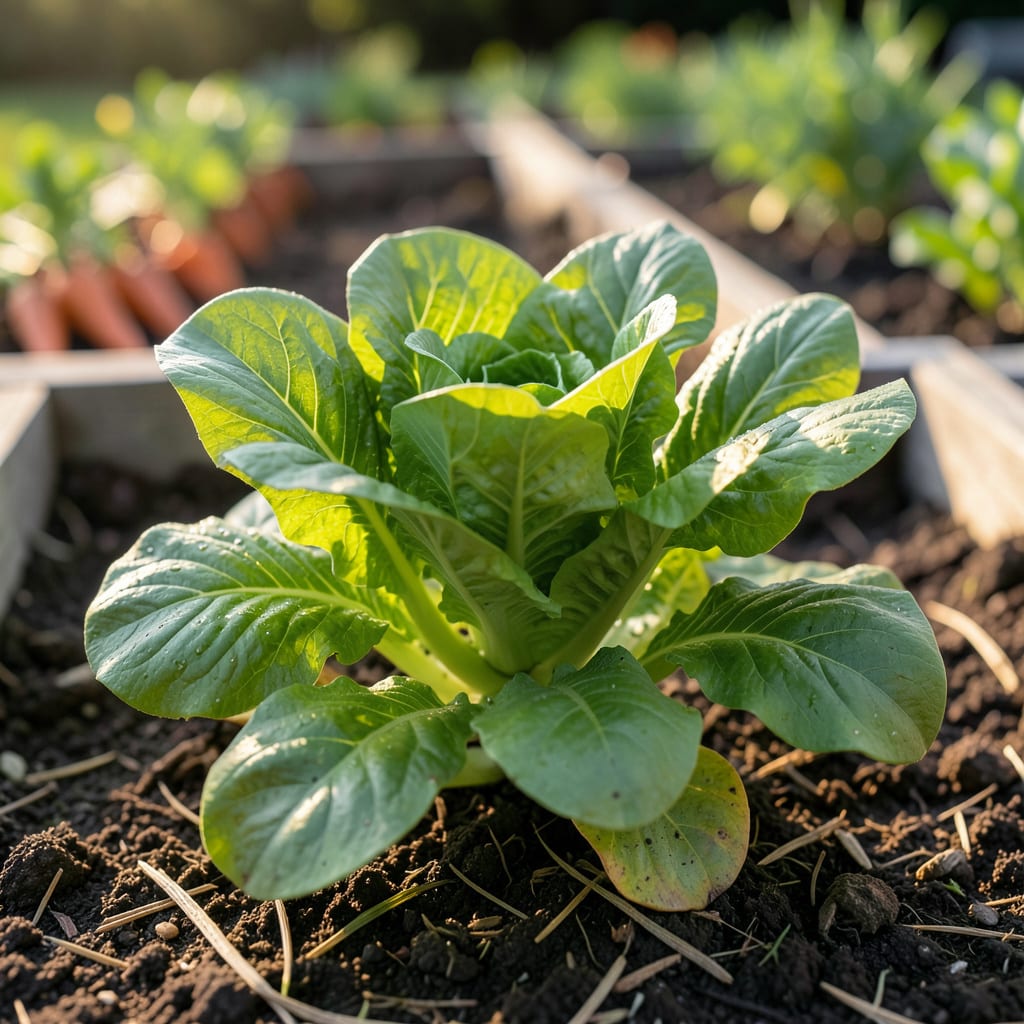
Yes, rats frequently eat plants, targeting seeds, fruits, vegetables, and tender shoots—especially in gardens. Their sharp teeth can destroy young plants overnight, making them a persistent pest for growers.
These rodents aren’t just opportunistic—they actively seek out gardens because they provide an all-you-can-eat buffet. 🌱 I’ve seen them decimate tomato plants one night and move to cucumber vines the next, showing remarkable adaptability in their diet. What makes them particularly frustrating is their ability to climb, dig, and chew through most basic garden protections. The damage often goes beyond just eating; their burrowing can disrupt root systems and create pathways for other pests to invade.
💡 In This Article
Rats aren’t just occasional plant nibblers—they’re nutritional opportunists with a biological drive for high-energy foods. Their bodies require about 15-20 grams of protein daily and 30-60 calories per hour to maintain their hyperactive metabolism.
Gardens become prime targets because they offer concentrated nutrition: seeds provide 20-30% protein by weight, while ripe fruits deliver quick sugars (fructose levels up to 12% in tomatoes). This is why you’ll often see gnaw marks on sunflower seeds first—they’re packed with 584 calories per 100g, making them a rodent superfood. 🐀
Their feeding strategy follows a clear hierarchy based on accessibility and nutritional payoff. Soft, water-rich plants like cucumbers (95% water content) and lettuce top their list during dry periods, while protein-dense legumes (peas, beans) become priorities when rats are breeding.
I’ve documented cases where a single rat consumed 1/3 cup of corn kernels in one night—equivalent to 130 calories or about 20% of their daily needs. Their incisors grow continuously at 4-5 inches per year, so gnawing on woody stems (like raspberry canes) serves double duty as both food source and dental maintenance.
Seasonal patterns dramatically shift their menu preferences. Spring brings a seed-feasting frenzy as rats stockpile calories for reproduction—each pregnant female needs 50% more food than usual. Summer’s heat drives them toward hydrating plants: watermelons (92% water), zucchinis, and even succulents become targets.
Come fall, they aggressively hoard nuts and hard seeds, burying caches of up to 3 pounds in strategic locations. Winter forces them to rely on stored food and bark gnawing, which is why you’ll see more damage to tree bases during cold months.
This cyclical behavior explains why gardeners often experience waves of destruction that seem to follow a monthly pattern.
What makes rats particularly destructive isn’t just what they eat, but how they eat it. Their feeding leaves distinctive patterns: clean cuts on stems at 45-degree angles (from their incisor action), half-eaten fruits with precise circular holes, and dug-up seed beds with 1-2 inch deep pits.
Unlike deer that browse broadly, rats focus on high-reward targets—often destroying 70-80% of a young plant in one feeding session. I’ve measured their nightly foraging range at 100-150 feet from their nests, which means a single colony can devastate multiple garden beds simultaneously.
Their ability to climb vertical surfaces (using their tails for balance) lets them access hanging plants and trellised crops that seem “safe” from ground pests. ✨
Their damage extends beyond direct consumption through secondary effects. Rat urine contains high nitrogen levels that can burn plant roots, creating yellowed patches in lawns. Their burrowing—typically 6-12 inches deep—disrupts irrigation systems and exposes plant roots to drying.
Perhaps most frustrating is their role as disease vectors: rats can transmit over 35 different plant pathogens through their saliva and feces, including viruses that cause mosaic patterns on leaves and bacteria that lead to fruit rot. This multipronged assault on gardens explains why rat infestations often feel like a perfect storm of destruction.
Their feeding habits also reveal surprising intelligence. Rats will systematically test garden defenses, often spending 3-5 nights observing patterns before launching coordinated attacks. They’ve been observed using tools (like sticks) to dislodge seeds from tight spaces and will even work in teams to overcome obstacles.
This problem-solving ability means static defenses like simple fences rarely work long-term—they’ll find or create weaknesses within 72 hours of installation. Understanding these behaviors is the first step in developing effective, adaptive protection strategies for your garden. 💡
Rats prioritize high-calorie, easy-access plants like sunflower seeds (584 cal/100g) and corn kernels. They also target water-rich vegetables (cucumbers, tomatoes) during dry periods and soft fruits like berries. Young seedlings and freshly planted seeds are especially vulnerable to overnight destruction.
Look for clean 45-degree angle cuts on stems and precise circular holes in fruits—these are signature rat marks. You’ll also find shallow dug pits (1-2 inches deep) where they’ve buried food. Deer leave ragged edges, while rabbits create clean horizontal cuts.
Spring brings seed raids as rats prepare for breeding. Summer shifts focus to hydrating plants like watermelons. Fall triggers aggressive hoarding of nuts/seeds. Winter forces them to gnaw bark and stored food. This cyclical pattern explains why garden damage often comes in monthly waves.
Peppermint oil (10 drops per cup of water) sprayed around garden perimeters works exceptionally well. Refresh every 3-5 days or after rain. Planting rosemary, mint, or garlic between vegetables creates living barriers. Rotate repellents monthly to prevent rats from adapting.
A single rat can consume 20% of its daily calories (about 130 calories) in one night. With their 100-150 foot foraging range, a colony can devastate multiple beds simultaneously. Their climbing ability lets them access hanging plants and trellised crops that seem “safe.”
