
Beautiful Plants For Your Interior
Beautiful Plants For Your Interior
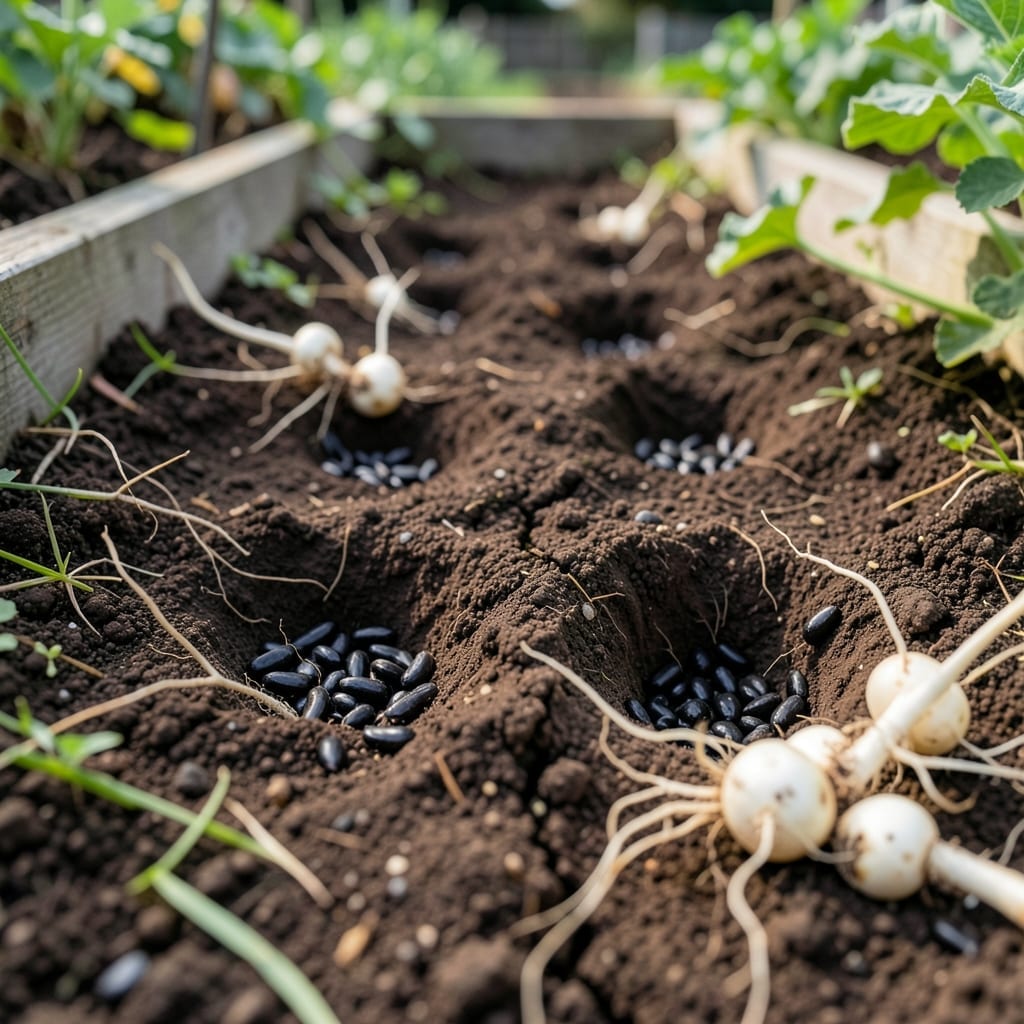
Noticing mysterious holes in your garden or unearthed soil around your General 🌱? You might be dealing with rat burrows, a common but often overlooked issue for gardeners.
These pests don’t just make a mess – they can damage roots and spread disease. The good news is there are effective ways to identify and address the problem.
Discover how to spot the signs and protect your garden with humane, eco-friendly solutions that actually work.
If you’re seeing unexplained holes in your garden, rats might be the culprits. These pests create burrow systems that can undermine plant health and soil stability. I’ve found their tunnels often appear near vegetable patches or compost areas.
Rat burrows typically have smooth walls and are about 2-4 inches wide. Unlike mole holes, they lack mounded soil at the entrance. You might also notice gnawed plant stems nearby, a clear sign of rodent activity.
| Sign | Description |
|---|---|
| Hole Size | 2-4 inches wide |
| Hole Shape | Smooth walls, no mound |
| Location | Near food sources |
| Droppings | Dark, rice-sized |
Another telltale sign is finding rat droppings near the burrow entrance. These are dark and rice-sized, distinct from mouse droppings which are smaller. I recommend wearing gloves when inspecting these areas for safety.
You might also spot greasy rub marks along walls or fences. Rats follow the same paths repeatedly, leaving these dark smudges from their fur. Check for these near your garden’s perimeter.
Rats are nocturnal creatures, so you’re unlikely to see them during the day. However, you might hear scratching sounds at night or notice freshly dug soil in the morning.
Unlike moles or voles, rats create multiple entrance points to their burrow systems. These often connect to underground nests where they store food and raise their young. I’ve found these networks can extend several feet.
Pay special attention to areas with dense vegetation or mulch piles. Rats prefer these spots for their burrows as they provide cover and warmth. Regularly inspecting these areas can help you catch the problem early.
If you notice wilting plants with no obvious cause, rats might be gnawing at the roots underground. This is especially common with young seedlings and bulb plants like tulips.
Remember, early detection is key to preventing a full-scale infestation. By familiarizing yourself with these signs, you can take quick action to protect your garden. 🌿
Preventing rat burrows starts with removing attractants from your garden. I always recommend securing compost bins with tight lids and keeping pet food indoors. Even small spills can draw these pests to your property.
Another effective method is maintaining cleanliness. Regularly remove fallen fruits, seed spills, and garden debris where rats might hide or nest. I’ve seen this simple step reduce burrowing activity significantly.
For natural deterrents, I swear by peppermint oil soaked cotton balls placed near potential entry points. The strong scent disrupts their sense of smell, making your garden less appealing. Reapply every few weeks for best results.
Wire mesh barriers work wonders for protecting specific areas. Bury 1/4-inch hardware cloth at least 12 inches deep around garden beds. This prevents rats from digging underneath while allowing water and nutrients to pass through.
Consider introducing predator urine like fox or coyote urine around your garden’s perimeter. While it sounds unusual, I’ve found it to be an effective psychological deterrent that keeps rats at bay without harming them.
Finally, regular inspections are crucial. Check for new holes or signs of activity weekly, especially after rain when the ground is softer. Early intervention saves time and protects your plants from root damage. 🌿