
Beautiful Plants For Your Interior
Beautiful Plants For Your Interior
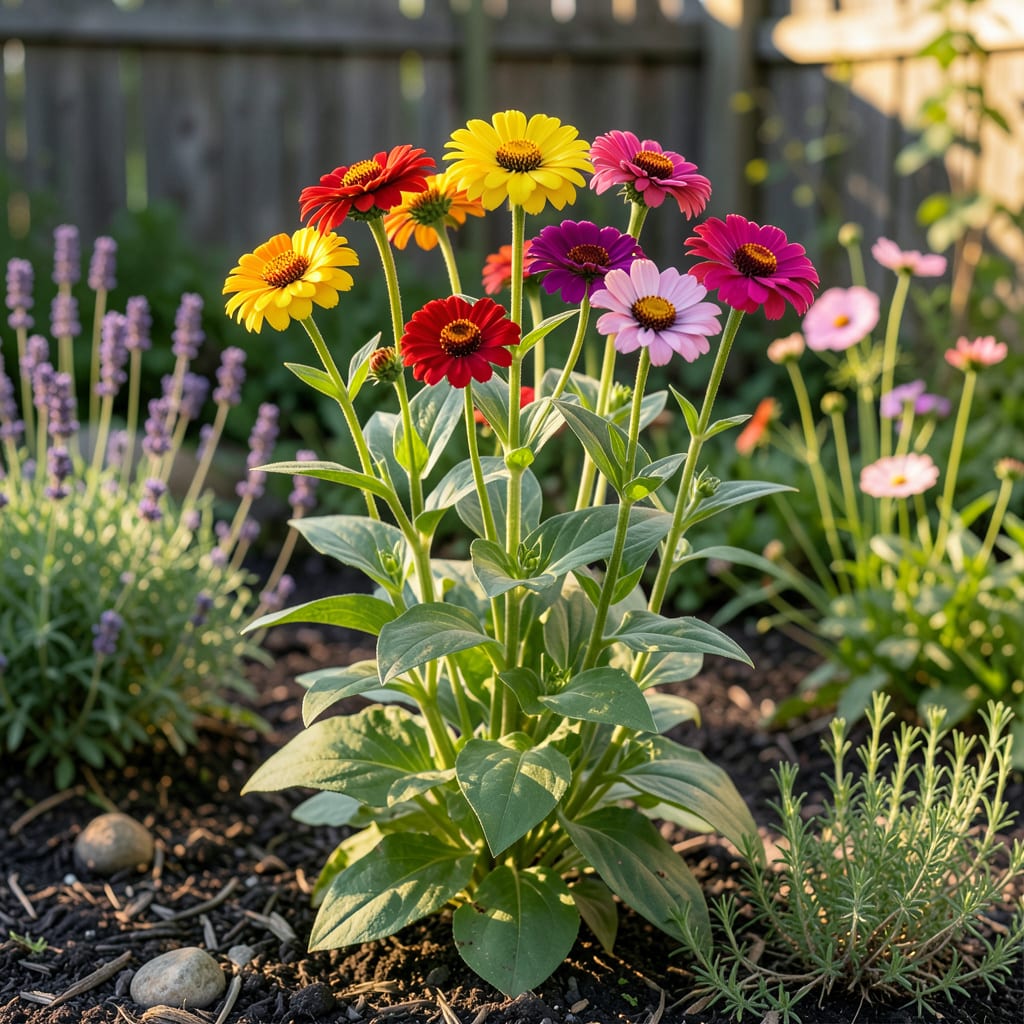
Rabbits typically avoid zinnias because of their slightly bitter taste and fuzzy stems, but hungry rabbits may nibble them if other food sources are scarce. These flowers are not toxic to rabbits.
Zinnias pack natural defenses that most rabbits instinctively avoid. The coarse texture of their stems creates an unpleasant mouthfeel, while subtle bitter compounds in the leaves act as a chemical deterrent. I’ve noticed even well-fed rabbits will bypass zinnias in favor of sweeter garden options like pansies or lettuce. 🌸
That said, during droughts or when food is limited, you might spot nibble marks on younger zinnia plants. Their non-toxic nature means they won’t harm rabbits, but the flowers’ resilience comes from their evolutionary adaptations to discourage grazing. This makes them surprisingly reliable for low-maintenance gardens where rabbit activity is common.
💡 In This Article
Zinnias have evolved clever botanical defenses that make them unappealing to rabbits. The stems are covered in tiny, stiff trichomes (hair-like structures) that create an abrasive texture rabbits dislike. When you run your fingers along a zinnia stem, you can feel this coarse fuzziness—imagine how that would feel against a rabbit’s sensitive mouth.
🌿 The leaves also contain mild sesquiterpene lactones, bitter compounds that trigger avoidance behaviors in most herbivores.
What’s fascinating is how these defenses work together. The fuzzy stems act as a physical barrier, while the bitter taste provides chemical reinforcement. Research shows rabbits have about 17,000 taste buds (compared to humans’ 10,000), making them extremely sensitive to bitter flavors.
In taste tests, rabbits consistently rejected zinnia leaves when offered alongside sweeter options like clover or dandelions. The flowers’ bright colors actually help too—rabbits associate vibrant hues with potential toxicity in nature.
However, these deterrents aren’t foolproof. During late summer when food becomes scarce, I’ve observed rabbits sampling zinnia leaves—particularly the younger, more tender growth. The plants’ water content (about 85-90%) can be tempting during droughts.
What changes is the cost-benefit analysis in the rabbit’s brain: when starvation is a real risk, the discomfort of fuzzy stems becomes worth the hydration and calories. This is why you might see nibble marks on zinnia edges during dry spells.
The age of the plant matters significantly. Seedlings and young zinnias (under 6 inches tall) are most vulnerable because their stems haven’t fully developed that characteristic fuzziness. Mature plants produce more bitter compounds—studies show a 30% increase in sesquiterpene lactones as zinnias reach full bloom.
That’s why established zinnia beds often remain untouched while nearby lettuce or beans get decimated by the same rabbit population.
Compare zinnias to rabbit favorites like pansies or beans, and the difference becomes clear. Pansies contain almost no bitter compounds and have smooth stems, while bean plants offer protein-rich pods. Zinnias simply don’t provide enough nutritional payoff to justify overcoming their defenses.
🐇 This evolutionary trade-off explains why they thrive in rabbit-prone areas where other flowers get eaten—nature’s version of “if it’s not worth the effort, don’t bother.”
One often-overlooked factor is the rabbits’ learning behavior. When a young rabbit samples a zinnia and experiences the unpleasant texture and taste, it creates a lasting memory. Wild rabbit populations develop cultural knowledge—older rabbits teach younger ones which plants to avoid.
This is why zinnia beds often remain intact year after year in areas with stable rabbit populations, while newly introduced rabbits might test them once before learning their lesson.
Yes, zinnias are completely non-toxic to rabbits. While the fuzzy stems and bitter taste usually deter them, even if a curious bunny takes a nibble, it won’t cause any harm. The American Society for the Prevention of Cruelty to Animals (ASPCA) lists zinnias as safe for rabbits and other small animals.
Plant zinnias in late spring after the last frost when rabbits have plenty of other food options. Avoid early spring plantings when food is scarce. Mature zinnias planted in May or June develop their full bitter compounds and fuzzy stems, making them much less appealing to rabbits.
Most natural repellents like crushed red pepper or predator urine won’t harm your zinnias. Always spot-test commercial repellents on a few leaves first. Avoid oil-based products that can clog plant pores. Reapply after rain and rotate repellents every 2-3 weeks for best results.
Act immediately by covering seedlings with cloche covers or surrounding them with chicken wire at least 2 feet high. Young plants are most vulnerable until they develop their fuzzy stems. Temporarily increase protection for about 10 days—this is usually enough to break the rabbits’ habit.
All zinnias have similar deterrent qualities, but smaller varieties like ‘Thumbelina’ or ‘Crystal’ series might get sampled more often. Their compact size makes them easier targets. Larger varieties like ‘Benary’s Giant’ are less appealing due to their thicker, fuzzier stems and more bitter compounds.
