
Beautiful Plants For Your Interior
Beautiful Plants For Your Interior
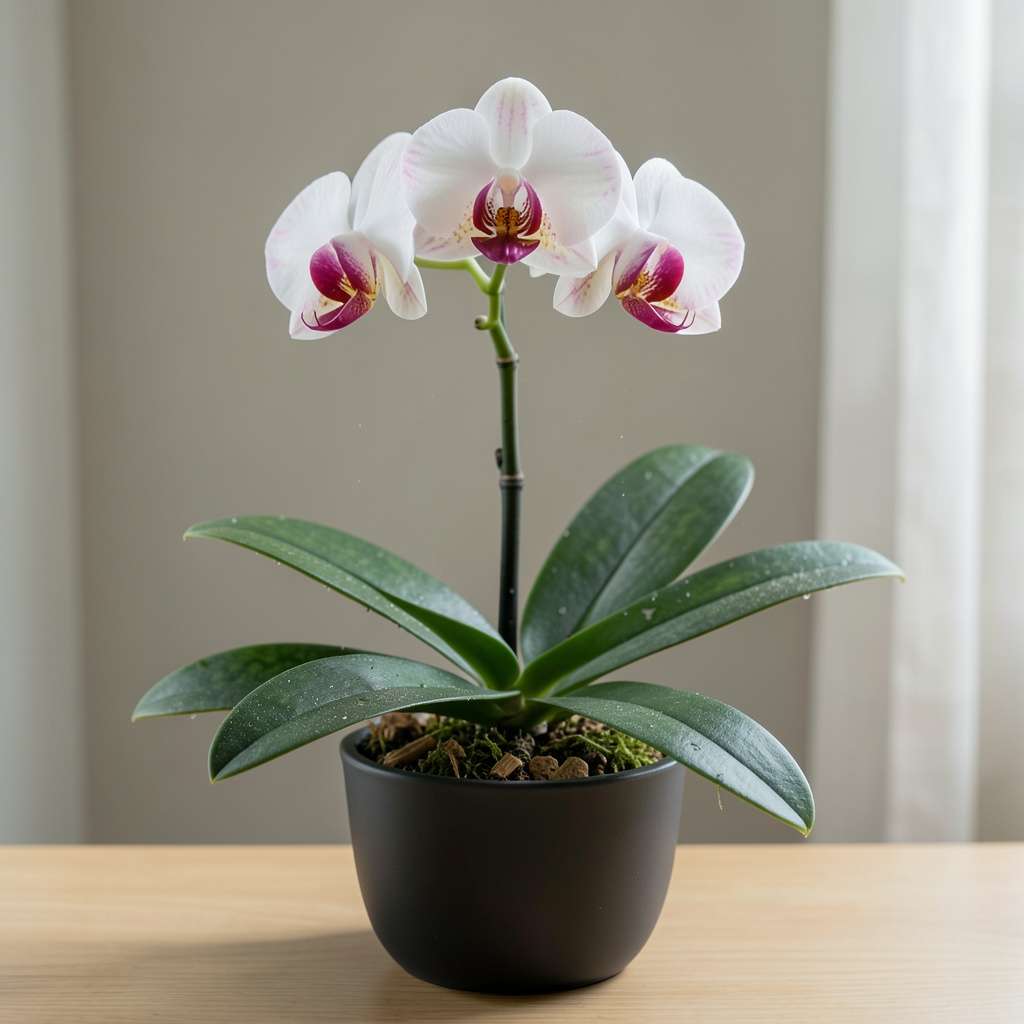
Orchids typically grow in bark, perlite, or coconut husk instead of traditional soil, mimicking their natural epiphytic environment to ensure proper drainage and root aeration.
This unique approach is essential because orchids thrive in environments where their roots can breathe and absorb moisture without being submerged. 🌱 For instance, the air pockets in bark allow for optimal airflow, which helps prevent root rot—a common issue when using regular soil. Understanding these needs can greatly enhance your orchid care experience.
Additionally, choosing the right potting medium is crucial. Using materials like sphagnum moss can help retain moisture while still providing the necessary drainage. 🪴 This balance is key to keeping your orchids healthy and vibrant throughout their growth cycle.
💡 In This Article
Orchids are fascinating plants that have evolved to thrive in unique environments. Unlike most plants, they are primarily epiphytes, meaning they grow on other surfaces, like trees, without deriving nutrients from them. This growth pattern allows orchids to develop specialized roots that are not designed for traditional soil environments.
The roots of orchids possess a velamen layer, which is a spongy tissue that absorbs moisture and nutrients from the air and rain. This adaptation is crucial because it enables them to survive in conditions where water can be scarce.
Additionally, these roots require excellent airflow to function effectively; compact soil would suffocate them, leading to rot. 🌬️
Using materials such as bark, perlite, or coconut husk mimics their natural habitat by ensuring proper drainage and aeration. For example, a mixture of 60% bark and 40% perlite can create an ideal growing medium. This blend allows excess water to drain away quickly while maintaining sufficient moisture for the roots to absorb. 🌱
It’s also essential to consider how potting affects the orchid’s health. When you choose the right medium, your orchids can flourish without the risks associated with compacted soil. For instance, using sphagnum moss retains moisture but still provides the necessary drainage.
This balance is vital for preventing root rot, which can be detrimental to orchid health.
Furthermore, the watering technique needs adjustment when using these media. Orchids typically require less frequent watering than traditional houseplants, often needing water only when the top inch of the medium feels dry. This practice encourages healthy root development and prevents water accumulation that can lead to rot. 💧
Understanding these aspects of orchid care can significantly enhance your success as a grower. By replicating their natural environment through appropriate media and watering techniques, you create conditions that allow these beautiful plants to thrive.
