
Beautiful Plants For Your Interior
Beautiful Plants For Your Interior
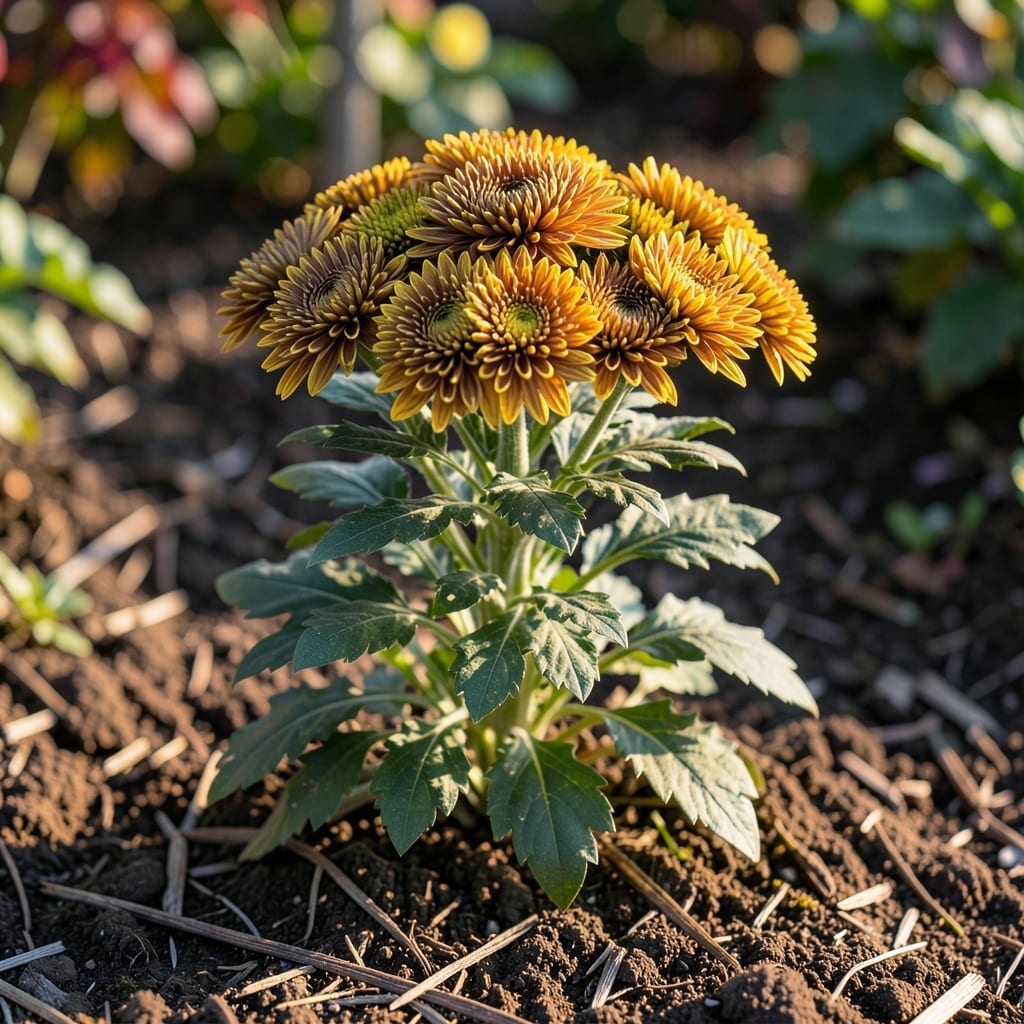
I’ve seen too many gardeners struggle with wilting mums, all because they got the light conditions wrong. The 🌼 Chrysanthemum isn’t as finicky as you might think, but it does have clear preferences.
Getting the balance right between sun and shade can mean the difference between lackluster blooms and a vibrant fall display. The good news? It’s simpler than most realize.
Discover how to give your mums exactly what they need to thrive, without the guesswork. Let’s clear up the confusion once and for all.
 Best Window Placement
I’ve found that mums thrive best with 6+ hours of direct sunlight daily. This ensures strong stems and vibrant, long-lasting blooms come fall. Without enough light, they often grow leggy and produce fewer flowers.
That said, in hotter climates, a bit of afternoon shade can prevent wilting. The key is balance—too much shade leads to sparse blooms, while too much sun can scorch petals in extreme heat. ☀️
| Requirement | Specification |
|---|---|
| Ideal Sunlight | 6+ hours daily |
| Tolerable Shade | Afternoon shade in hot zones |
| Minimum Light | 4 hours for partial shade |
| Signs of Too Little Light | Leggy stems, fewer blooms |
| Signs of Too Much Sun | Wilting, scorched petals |
In my experience, morning sun is ideal for mums. It dries dew quickly, reducing the risk of fungal diseases. If you’re in USDA zones 7-9, afternoon shade can be beneficial during peak summer heat.
For partial shade areas, choose hardy varieties like ‘Sheffield Pink’ or ‘Clara Curtis’. These can handle 4-6 hours of sun and still produce stunning blooms. Just ensure the soil stays consistently moist.
If your mums aren’t blooming, check their light exposure first. Too much shade often results in lush foliage but no flowers. A simple fix is to relocate them to a sunnier spot or trim back nearby plants casting shadows.
I always recommend rotating potted mums to follow the sun. This ensures they get even light distribution, which is especially important for container-grown plants. It’s a small effort with big rewards.
Don’t forget that seasonal changes affect light availability. In early spring or late fall, even full-sun locations may not provide enough light. Adjust plant placement as the seasons shift to maintain optimal conditions.
Finally, pair your mums with companion plants that have similar light needs. Sedum, asters, and ornamental grasses make excellent partners, creating a cohesive, low-maintenance garden display. 🌿
I’ve successfully grown mums in partial shade, and you can too with the right approach. While they prefer full sun, some varieties adapt well to 4-6 hours of sunlight, especially in warmer climates. The trick is choosing the right spot and variety.
Shade-tolerant mums like ‘Anastasia Green’ or ‘Matchsticks’ perform well with less light. These hardy types still deliver colorful blooms even in filtered sunlight. Pair them with rich, well-draining soil to compensate for reduced light.
In my garden, I’ve noticed that morning sun works best for shaded mums. It provides gentle light without the harsh afternoon rays. This setup helps prevent leaf scorch while still encouraging strong stem growth and abundant flowers.
For container-grown mums in shade, move pots to sunnier spots as the season changes. In early fall, when days grow shorter, this extra light helps trigger blooming. Keep an eye on moisture levels—potted plants dry out faster in partial shade.
If your mums look leggy or sparse, they may need more light. Try trimming back nearby trees or shrubs to allow additional sunlight. Even small adjustments can make a noticeable difference in bloom quality and plant health.
Finally, pair your shaded mums with companion plants like hostas or fern allies. These plants share similar light preferences and create a lush, textured garden display. With the right care, your mums will thrive even without full sun. 🌿