
Beautiful Plants For Your Interior
Beautiful Plants For Your Interior
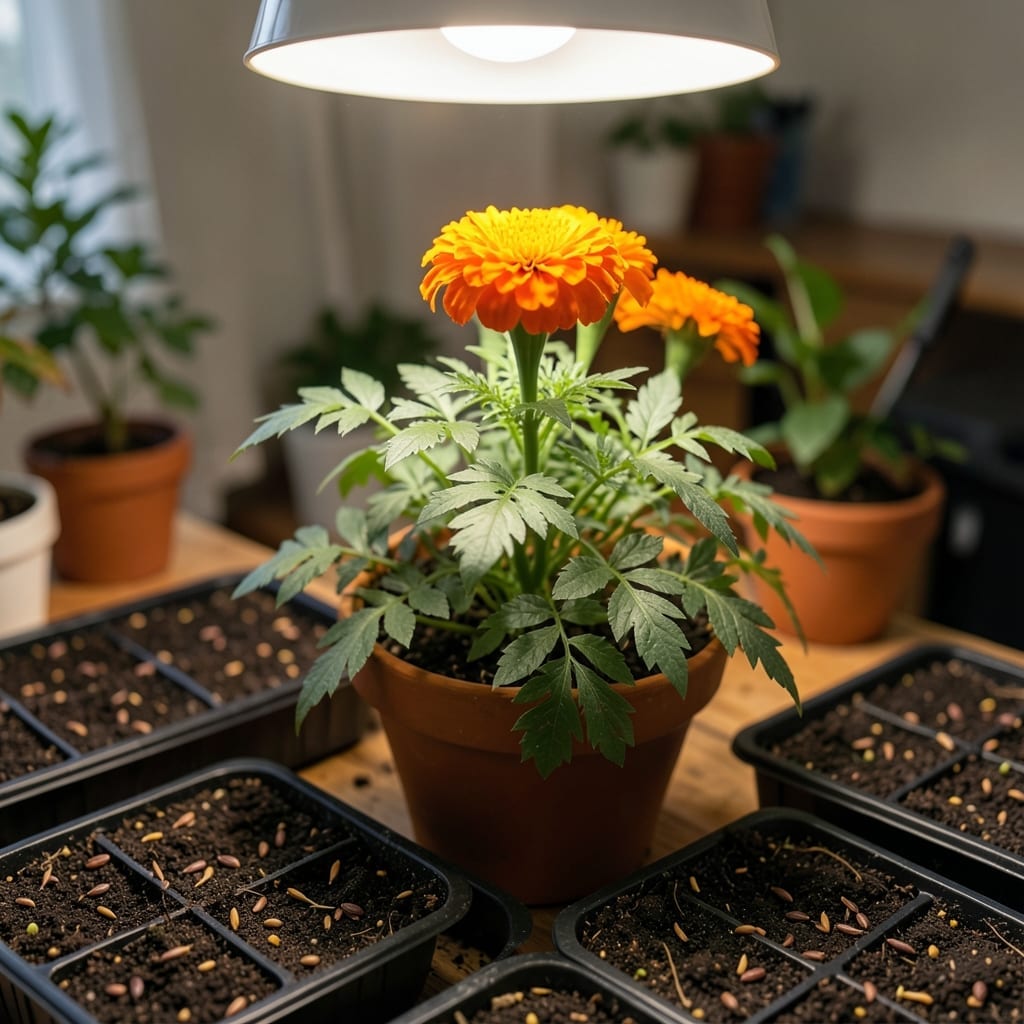
Marigolds bring color and pest protection to any garden, but their germination process can be confusing. Many gardeners wonder about the ideal conditions for starting these cheerful 🌼 flowers.
I’ve tested different approaches, and understanding light requirements makes all the difference. Whether you’re a beginner or seasoned gardener, getting this right ensures a strong start for your Marigold seeds.
Discover the essential conditions for successful germination and avoid common pitfalls that can derail your efforts.


Marigolds are light-dependent germinators, meaning their seeds require exposure to light to trigger germination. Unlike some seeds that need darkness, marigold seeds won’t sprout if buried too deep or covered completely. This is a critical detail for successful propagation. ☀️
In my experience, planting marigold seeds just beneath the soil surface—about 1/4 inch deep—allows them to receive the light they need while staying anchored. The seeds absorb light through their thin outer layer, which signals them to begin growing. 🌱
| Requirement | Specification |
|---|---|
| Light Needs | Full light exposure |
| Planting Depth | 1/4 inch deep |
| Soil Temperature | 70-75°F ideal |
| Moisture Level | Consistently moist |
| Germination Time | 5-7 days |
The science behind this is fascinating. Marigold seeds contain light-sensitive compounds that activate the germination process when exposed to light. This is why you’ll often see them sown directly on the soil surface or barely covered. 🌿
For best results, I recommend using a seed-starting mix that’s light and well-draining. This ensures the seeds stay in contact with moisture while still receiving ample light. A south-facing windowsill or a grow light setup works perfectly for indoor germination.
If you’re starting seeds outdoors, choose a sunny spot with at least 6 hours of direct sunlight daily. Keep the soil evenly moist but not waterlogged, as excessive moisture can lead to rot or fungal issues.
Temperature also plays a role. Marigold seeds germinate best in warm soil, ideally between 70-75°F. If your soil is cooler, consider using a heat mat to speed up the process.
One common mistake I’ve seen is covering marigold seeds too deeply. Remember, they need light, so avoid burying them more than 1/4 inch. If you’re using a seed tray, lightly press the seeds into the soil and mist them with water.
Another tip: label your seeds to keep track of varieties. Marigolds come in many types, from French marigolds to African marigolds, each with slightly different needs. This helps you monitor their progress and adjust care as needed. 🪴
Finally, be patient. While marigolds typically germinate within 5-7 days under ideal conditions, some may take up to 10 days. Keep the soil consistently moist and ensure they receive plenty of light during this period.
Starting marigold seeds indoors gives you a head start on the growing season. Since marigolds need light to germinate, proper placement is key. I always use a well-lit windowsill or grow lights to ensure consistent exposure. ☀️
A seed-starting mix works best because it’s lightweight and drains well. Fill your trays or pots, then press seeds lightly into the surface—just 1/4 inch deep. This shallow depth allows light to penetrate. 🌱
For best results, I place my trays under grow lights for 12-14 hours daily. If using natural light, a south-facing window is ideal. Rotate the trays daily to prevent leggy seedlings from reaching toward the light.
Keep the soil consistently moist but not soggy. A spray bottle works well for gentle watering. I check daily and mist as needed, especially if the air is dry from indoor heating. 💧
Once seeds sprout, usually in 5-7 days, move them to brighter light. If seedlings appear pale or stretched, they need more light. A heat mat can help maintain soil warmth for faster germination.
When seedlings develop 2-3 true leaves, it’s time to harden them off. Gradually introduce them to outdoor conditions over a week before transplanting. This prevents shock and ensures strong, healthy plants. 🌿
Finally, transplant your marigolds into the garden after the last frost date. Space them 8-10 inches apart in a sunny spot. With proper light and care, you’ll enjoy vibrant blooms all season long. 🌼