
Beautiful Plants For Your Interior
Beautiful Plants For Your Interior
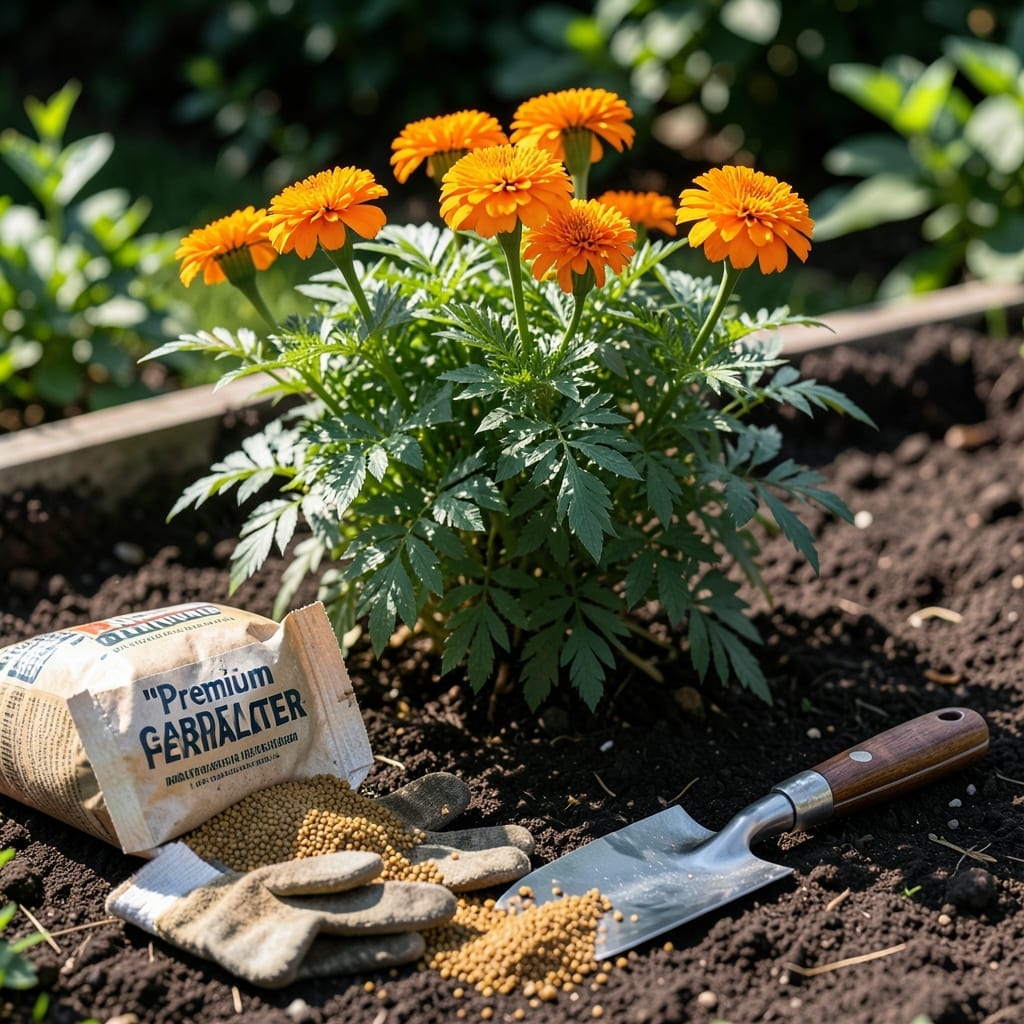
Marigolds light up gardens with their cheerful blooms, but there’s debate about whether they truly need fertilizer to shine. The 🌼 Marigold is known for its resilience, yet even the hardiest plants benefit from the right nutrients.
I’ve seen gardeners achieve stunning results with minimal effort, while others struggle despite frequent feeding. The difference often comes down to understanding what these flowers actually require.
Today, I’ll share insights that might change how you care for your Marigolds. You’ll discover when fertilizer helps and when it might do more harm than good.
Whether you’re a beginner or seasoned gardener, these tips will help you grow vibrant Marigolds without the guesswork. Let’s get started.
Marigolds are famously low-maintenance flowers that thrive in various conditions. I’ve grown them in poor soil and rich compost, and they still bloomed beautifully. This resilience makes many gardeners question whether fertilizer is necessary at all.
While marigolds can survive without extra nutrients, they do benefit from occasional feeding in certain situations. The key is understanding when and how to provide that boost without overdoing it.
| Requirement | Specification |
|---|---|
| Soil Quality | Well-draining, moderate fertility |
| Fertilizer Type | Balanced or high-phosphorus |
| Frequency | Every 4-6 weeks in growing season |
| NPK Ratio | 5-10-10 or similar |
| Best Time | Early morning |
Marigolds grown in nutrient-poor soil often produce smaller blooms and fewer flowers. A light application of balanced fertilizer can significantly improve their performance. I’ve noticed this especially in containers where nutrients deplete faster.
However, too much fertilizer, particularly high-nitrogen types, can lead to excessive leafy growth at the expense of flowers. The plant focuses on foliage instead of those vibrant blooms we love so much.
The best approach is to start with rich, well-draining soil amended with compost. This provides a solid foundation. Then, use fertilizer as a supplement only when needed, typically every 4-6 weeks during active growth.
For organic gardeners, options like compost tea or fish emulsion work wonders. These provide gentle nutrition without the risk of chemical burn. I prefer these methods for my vegetable garden marigolds.
Watch for signs your marigolds need a boost: pale leaves, stunted growth, or fewer flowers than expected. These are clear indicators that your plants might benefit from some additional nutrients.
Remember, marigolds are adaptable. In most garden beds with decent soil, they’ll grow just fine without extra feeding. But for optimal blooms and healthiest plants, a little fertilizer can make a noticeable difference.
In my experience, the best results come from observing your plants and responding to their needs rather than sticking to a rigid fertilizing schedule. This mindful approach often yields the most vibrant marigolds with the least effort.
🌼
Marigolds thrive with natural fertilizers that gently feed the soil without overwhelming the plants. I’ve found that compost is one of the best options, as it enriches the ground with organic matter.
For a quick boost, worm castings provide essential nutrients while improving soil structure. Both options are gentle and reduce the risk of over-fertilizing your vibrant marigolds.
I recommend applying fish emulsion every 4-6 weeks during the growing season. It’s rich in nitrogen and promotes lush foliage and vibrant blooms.
Banana peels are another great resource. Simply chop them up and bury them near the roots to provide a potassium boost, which supports flower development.
Epsom salt can also work wonders. Sprinkle 1 tbsp per plant once a month to ensure your marigolds get enough magnesium for healthy growth.
Remember, marigolds are forgiving, but they do best with consistent, moderate feeding. Overdoing it can lead to excessive foliage and fewer flowers, so stick to the recommended amounts.
With these natural options, you’ll enjoy brighter blooms and stronger plants without harsh chemicals. Happy gardening! 🌼