
Beautiful Plants For Your Interior
Beautiful Plants For Your Interior
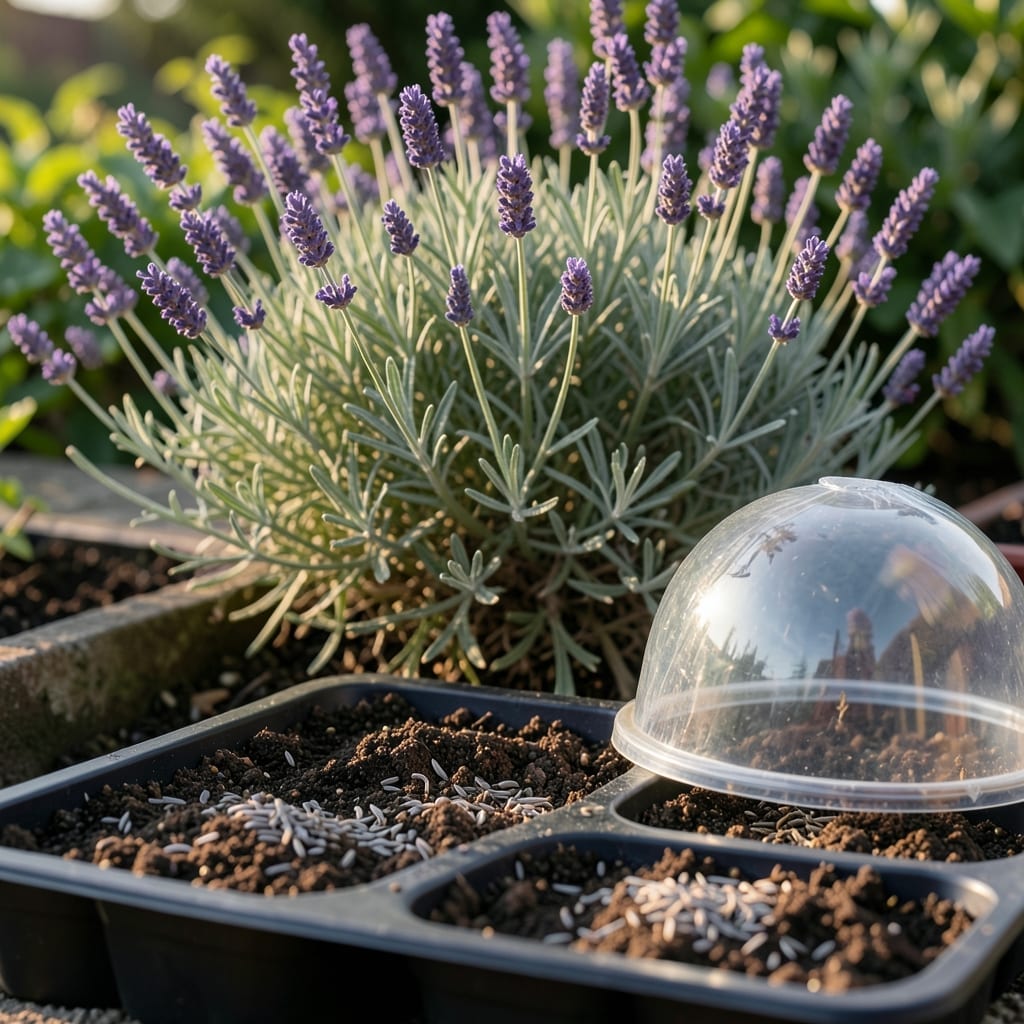
Struggling to get your 🌿 Lavender seeds to sprout? Cold stratification might be the missing step—this natural process can make or break your germination success.
Many gardeners skip this crucial preparation, only to wonder why their seeds never grow. For Lavender in zones 5-9, this simple technique mimics winter conditions your seeds need to wake up.
I’ll show you exactly how to do it right, and why it’s the game-changer for growing healthy plants from seed. Let’s get started.
If you’ve ever tossed lavender seeds into soil and waited in vain for sprouts, you’re not alone. These tiny powerhouses often need a cold wake-up call to break their dormancy and trigger growth.
In nature, winter’s chill softens the hard seed coat, signaling it’s safe to grow. Without this, your seeds might stay asleep indefinitely, no matter how perfect your soil or sunlight.
Cold stratification mimics winter to break seed dormancy, boosting germination rates from 10% to 80%+ for lavender.
Lavender seeds, like many perennial herbs, evolved to survive harsh winters. Their tough outer shell prevents premature sprouting during warm fall spells that could kill young plants.
When you skip stratification, you’re essentially asking the seed to germinate without its natural safety check. Most will simply refuse to grow, leaving you with empty seed trays and frustration.
Research shows that 4-6 weeks of cold treatment at 35-40°F breaks down the seed’s natural inhibitors. This process softens the coat and kickstarts the enzymatic activity needed for growth.
I’ve seen firsthand how stratified seeds sprout faster and stronger. My first lavender attempt without stratification yielded zero plants. The next year, after 6 weeks in the fridge, I had over 50 healthy seedlings.
This isn’t just about speed—it’s about viability. Stratified seeds produce plants that are better adapted to their environment and more likely to thrive long-term.
The science is clear: cold stratification triples your chances of successful lavender germination. It’s not just helpful—it’s often essential for these Mediterranean natives in cooler climates.
Even in warmer zones, stratification helps synchronize germination, so all your seeds sprout around the same time. This makes care easier and gives you a uniform stand of lavender plants.
Think of it as giving your seeds a head start on spring, right when they’re ready to grow
Ready to wake up your lavender seeds? The cold stratification process is simpler than you might think. I’ve tested several methods, and each works well with just a little preparation.
This natural winter simulation tells your seeds that spring is coming. Without it, you’re likely to see poor germination rates or uneven growth in your lavender patch.
🌱 Cold Stratification Methods:
The refrigerator method is my go-to because it’s controlled and reliable. Just place your seeds in a moist paper towel inside a plastic bag, then tuck them into the fridge.
For a more hands-off approach, try outdoor sowing. Plant your seeds in fall, and let nature handle the cold treatment. This works best in zones 5-7 where winter temperatures stay consistent.
If you’re short on time, the damp paper towel technique speeds things up. Spread seeds on a moist towel, fold it, and refrigerate. This keeps them evenly moist while chilling.
Remember, consistency is key. Fluctuating temperatures can disrupt the process, so choose a method you can maintain steadily for the full 4-6 weeks. ✂️