
Beautiful Plants For Your Interior
Beautiful Plants For Your Interior
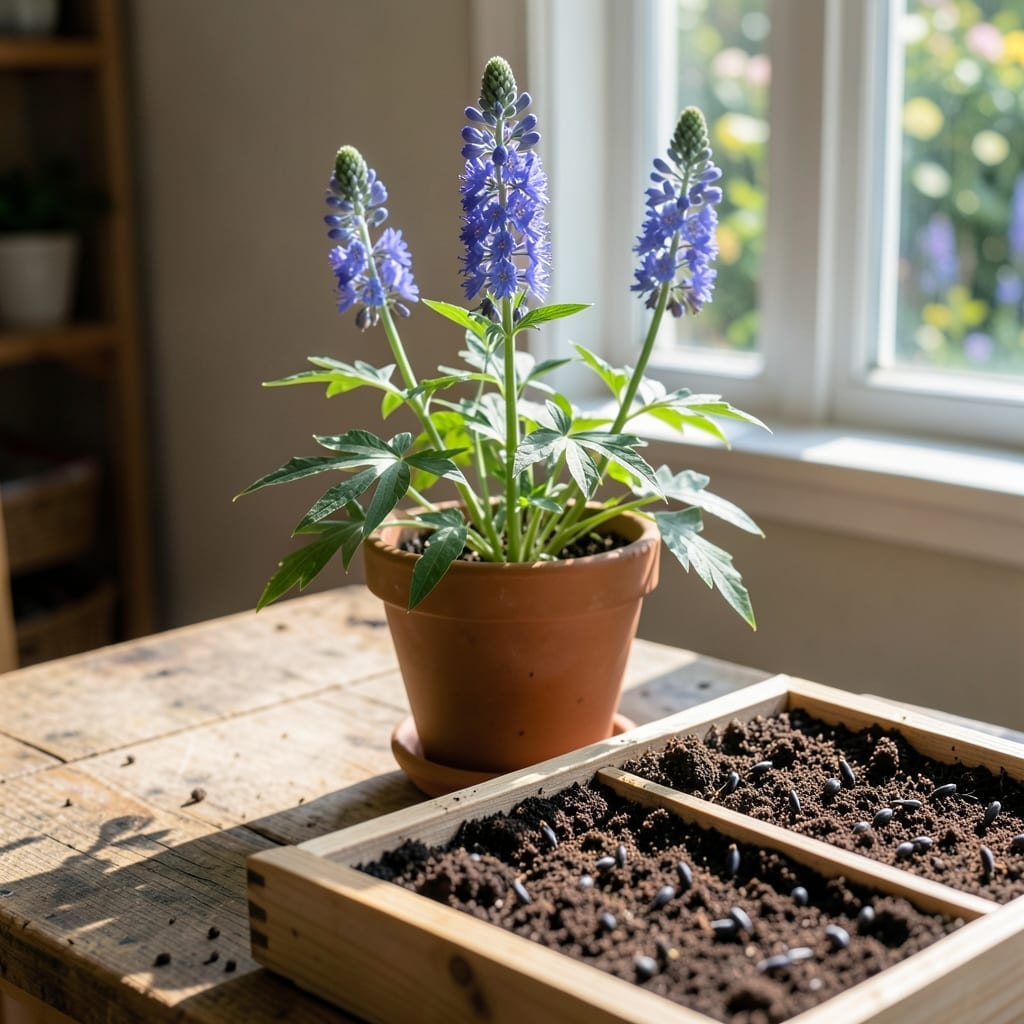
Larkspur seeds can be finicky, but understanding their light needs is the key to successful germination. Many gardeners struggle with sparse sprouting because they overlook this critical factor with their 🌸 Larkspur.
Unlike some seeds that need darkness, these beautiful flowers have specific requirements that make all the difference. I’ve seen firsthand how the right approach transforms germination rates from disappointing to amazing.
Discover the simple yet crucial steps to ensure your Larkspur seeds thrive from the very beginning. The results will speak for themselves.

If you’ve ever struggled with sparse larkspur sprouting, the issue likely comes down to light. These seeds are light-dependent germinators, meaning they need exposure to sprout successfully.
Unlike some seeds that prefer darkness, larkspur seeds require light to trigger the germination process. This is a common oversight that leads to poor results for many gardeners.
| Requirement | Specification |
|---|---|
| Light Dependency | Requires light |
| Ideal Exposure | Direct light or bright indirect |
| Planting Depth | Surface sow – do not cover |
| Germination Time | 14-21 days with proper light |
The science behind this is fascinating. Larkspur seeds contain light-sensitive compounds that only activate when exposed to light, which is why covering them with soil often fails.
In my experience, surface sowing works best. Simply press the seeds lightly into moist soil without covering them, then place in a bright location out of direct harsh sun.
A south-facing window or under grow lights provides ideal conditions. I’ve found that 14-16 hours of light daily gives the best germination rates for larkspur.
Remember that consistent moisture is crucial too. The soil should stay damp but never waterlogged, as this can cause the seeds to rot before they sprout.
For outdoor sowing, early spring or fall planting works well in most zones. The cooler temperatures combined with adequate light create perfect conditions for larkspur germination.
If you’re starting indoors, begin 6-8 weeks before your last frost date. This gives the seedlings enough time to develop before transplanting outdoors.
One trick I swear by is using a clear plastic cover to maintain humidity while still allowing light to reach the seeds. Remove it once sprouts appear to prevent mold growth.
With the right light exposure and care, you’ll see those first green shoots emerging in about 2-3 weeks 🌱
While light exposure is crucial, other factors play key roles in larkspur germination. I’ve learned that getting these right makes all the difference in seedling success.
Soil temperature between 60-70°F is ideal. Cooler temps slow germination, while warmer ones speed it up but may reduce viability.
Moisture consistency is critical. I use a spray bottle to keep the surface damp without disturbing seeds. A fine mist prevents washing them away.
Well-draining soil prevents rot. I mix seed starting mix with a bit of perlite for better drainage while maintaining moisture.
For outdoor planting, early spring works best in most zones. The cool temps and natural light create perfect conditions for larkspur seeds to thrive.
If starting indoors, use grow lights 2-3 inches above seeds for 14-16 hours daily. This mimics ideal outdoor conditions for consistent results.
With these conditions dialed in, you’ll see strong seedlings ready for transplanting in just 3-4 weeks 🌱