
Beautiful Plants For Your Interior
Beautiful Plants For Your Interior
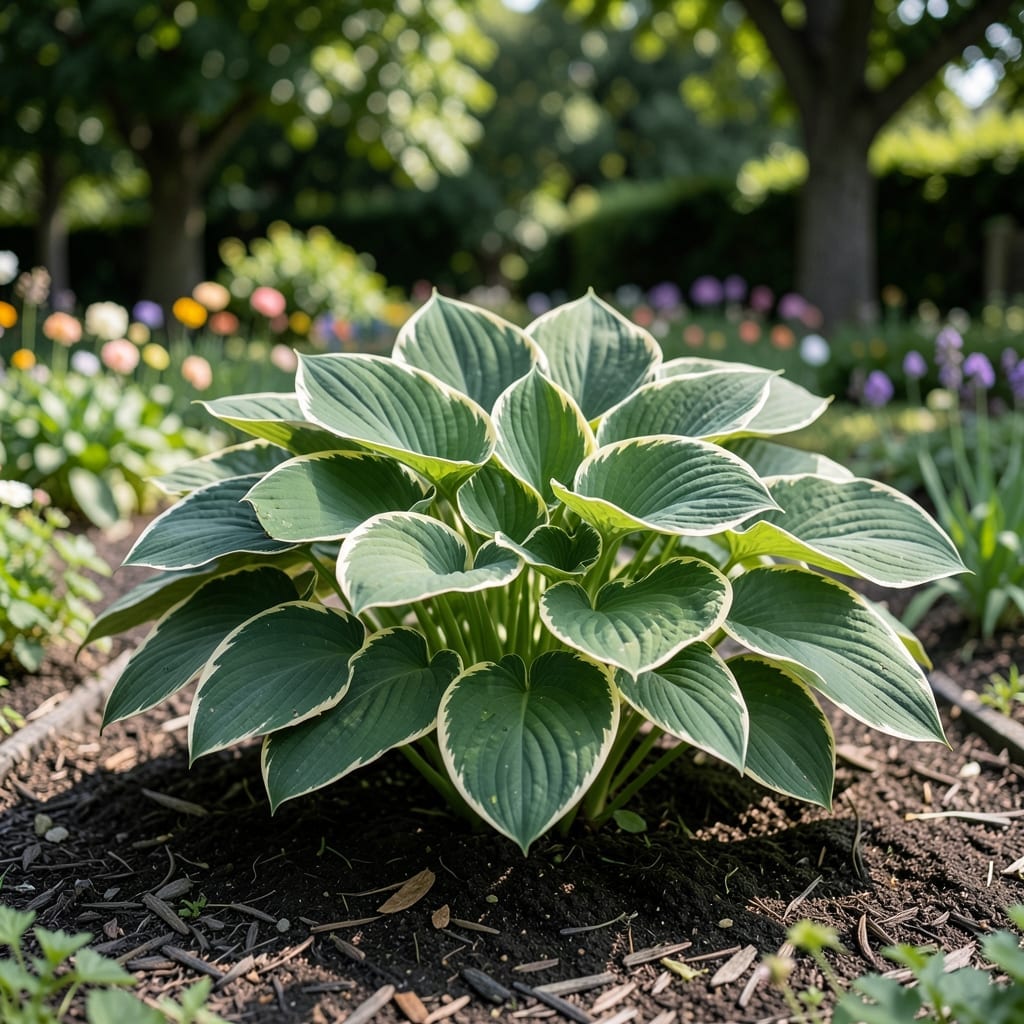
I’ve seen too many gardeners struggle with wilting 🌿 Hostas because they assumed these plants could handle full sun. The truth? Most varieties thrive in shade, but there’s a lot more to the story.
Understanding their light needs can be the difference between lackluster leaves and a lush, vibrant garden. Whether you’re planting in zones 3-9 or just starting out, getting this right is simpler than you think.
Discover how to match your Hostas with the perfect light conditions for healthy, stunning foliage all season long.
 Best Window Placement
If you’ve ever wondered whether hostas prefer sun or shade, the short answer is: they’re shade lovers at heart. These perennials thrive in partial to full shade, especially in hotter climates.
However, some varieties can handle morning sun, particularly in cooler zones like 3-5. The key is understanding their limits to avoid leaf scorch or fading. 🌿
| Condition | Shade Hostas | Sun-Tolerant Hostas |
|---|---|---|
| Ideal Light | Full to partial shade | Morning sun, afternoon shade |
| Max Sun Exposure | 1-2 hours | 3-4 hours |
| Leaf Color Impact | Deep greens, blues | Variegated, golds |
| Best Zones | All (3-9) | 3-6 |
In my experience, blue hostas like ‘Halcyon’ or ‘Elegans’ perform best in deep shade. Their thick leaves are prone to sunburn if exposed to harsh rays.
For sun-tolerant varieties, try ‘Sun Power’ or ‘Guacamole’. These can handle 3-4 hours of morning sun, but I always recommend afternoon shade in zones 7-9.
Watch for brown leaf edges or fading colors—these are classic signs your hosta is getting too much sun. If you notice this, move it to a shadier spot immediately.
Soil moisture plays a role too. Hostas in sunnier spots need consistent watering to prevent drought stress. I water mine deeply twice weekly in mixed-light areas.
If you’re determined to grow hostas in sun, mulch heavily with organic matter to retain moisture. A 2-3 inch layer of shredded bark works wonders in my garden.
Remember, even sun-tolerant hostas benefit from dappled shade during the hottest part of the day. This is especially true for variegated varieties, which can scorch easily.
For the healthiest plants, I recommend starting hostas in shade and gradually introducing them to sun if needed. This acclimation process reduces shock and improves success rates. 🌱
Not all hostas are created equal when it comes to light tolerance. Some varieties thrive in deep shade, while others can handle more sun than you might expect. Knowing which type you have is crucial.
For shade gardens, I love ‘Blue Angel’ and ‘Francee’. These deep blue and white-edged varieties keep their color best with minimal sun. They’re perfect for those north-facing beds where light is limited. 🌿
| Variety | Sun Tolerance | Best For |
|---|---|---|
| Blue Angel | Low (1-2 hrs) | Deep shade |
| Francee | Low (1-2 hrs) | Partial shade |
| Sun Power | High (4+ hrs) | Morning sun |
| Guacamole | Moderate (3-4 hrs) | Dappled light |
If you’re in a sunnier climate, ‘Sun Power’ is a star performer. This golden-green variety can handle 4+ hours of sun in cooler zones, but I still give mine afternoon shade in zone 7.
For variegated hostas like ‘Patriot’ or ‘Minuteman’, aim for morning sun only. Their white edges are prone to scorching, so I plant them where they get gentle, indirect light most of the day.
In my garden, I’ve found that smaller hostas like ‘Mouse Ears’ do well in containers where I can control their light exposure. This is great for balcony gardens or patios with mixed light. 🌱
Remember, even sun-tolerant hostas need consistent moisture. In sunnier spots, I check soil daily and water when the top inch feels dry. A drip irrigation system can be a game-changer here.