
Beautiful Plants For Your Interior
Beautiful Plants For Your Interior
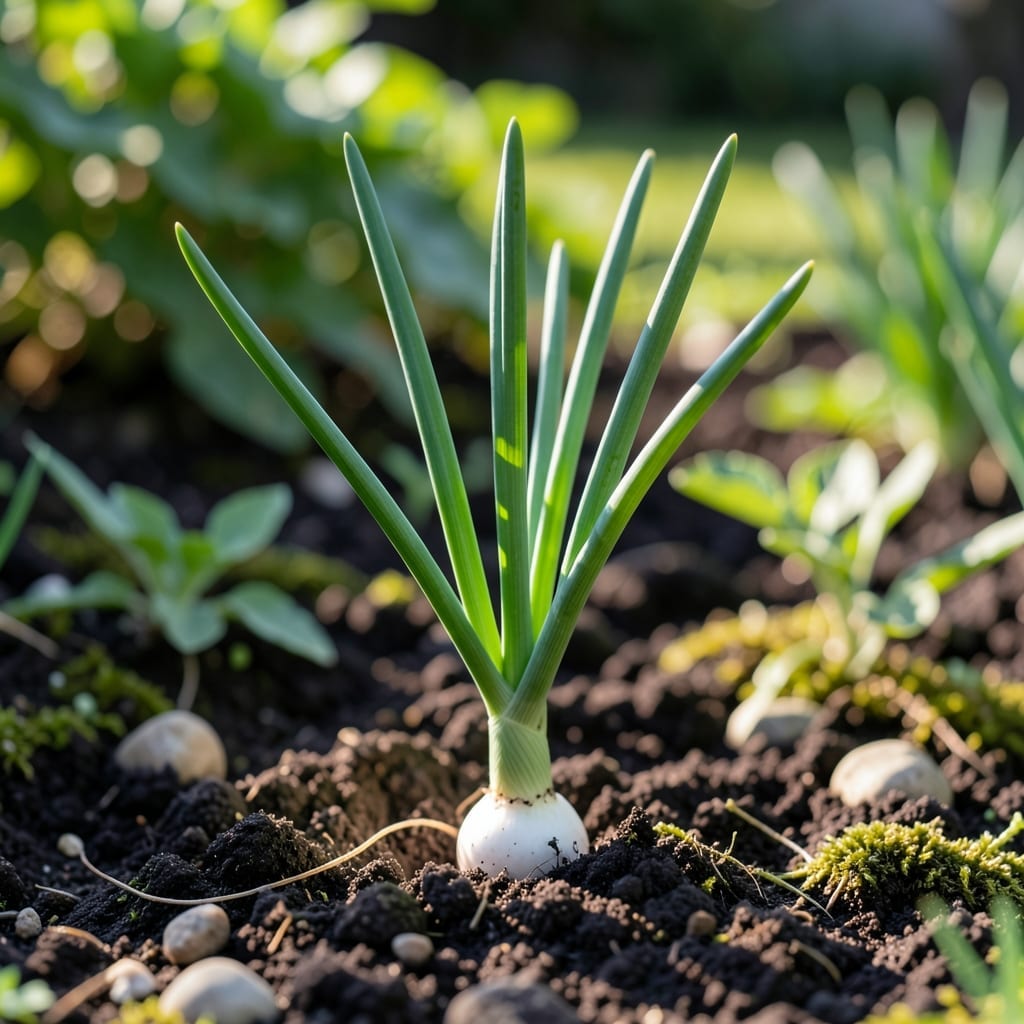
Wondering if Green Onion 🧅 can thrive in your shady garden spot? These resilient alliums often defy expectations with their surprising adaptability.
Unlike many vegetables that demand full sun, Green Onion demonstrates remarkable tolerance for less light. This makes them perfect for those tricky garden areas where sunlight is limited.
Let me show you exactly how to grow fresh, flavorful Green Onion in partial shade. The results might just change how you view your garden’s sun-challenged spaces.


I’ve found that green onions are one of the most adaptable plants when it comes to light. Unlike tomatoes or peppers, which demand full sun, these alliums can thrive in partial shade conditions. 🌱
In my experience, green onions perform best with 3-6 hours of sunlight daily. This makes them ideal for gardens with dappled shade or east-facing beds that get morning sun. ☀️
| header-cell” style=”background-color: #6fd544; color: #fff; padding: 12px; text-align: left;”>Growth Performance | body-cell” style=”padding: 10px; border-bottom: 1px solid #ddd;”>6+ hours | body-row”> | body-cell” style=”padding: 10px; border-bottom: 1px solid #ddd;”>3-6 hours | body-row”> | body-cell” style=”padding: 10px;”>Under 3 hours | Slow growth, thin stems |
|---|
While green onions can survive in full shade, they’ll grow thinner and slower. I recommend aiming for at least 4 hours of sunlight for the best results. The photosynthesis process in alliums is efficient, but they still need some light. 🌿
In my garden, I’ve noticed that morning sun works better than afternoon shade. The cooler temperatures and gentler light help prevent bolting while still providing enough energy for growth.
If your space only gets dappled light throughout the day, don’t worry. I’ve successfully grown green onions under tree canopies where sunlight filters through. They may take a few extra days, but they’ll still produce.
For those with north-facing gardens, I suggest using reflective mulches or light-colored surfaces to maximize the available light. Even small improvements in light exposure can make a noticeable difference.
Remember that soil quality becomes even more important in shady conditions. I always amend my shaded beds with compost to give the plants an extra boost. Well-draining soil prevents root rot in damp, shady spots.
Watering needs may decrease in shade, but don’t let the soil dry out completely. I check my shaded green onion patches every 2-3 days and water when the top inch feels dry. Consistent moisture is key.
Finally, I’ve found that container growing works exceptionally well for shaded green onions. You can move the pots to catch the best light throughout the day, giving you more control over their environment.
I’ve discovered that green onions adapt remarkably well to shady spots with the right care. The key is soil preparation—rich, well-draining soil gives them a strong start. 🌱
In my shaded garden beds, I always mix in compost or aged manure to boost fertility. This compensates for the reduced sunlight by providing extra nutrients. ☀️
🌱 Pro Tips for Shade Success
I’ve found that watering adjustments are crucial in shade. Since the soil stays moist longer, I water every 4-5 days instead of daily. Overwatering can lead to root rot in damp conditions. 🌿
For variety selection, I recommend White Lisbon or Red Beard for their shade tolerance. These cultivars maintain good flavor and growth even with limited light.
In containers, I use lightweight potting mix with added perlite. This ensures proper drainage, which is especially important in shaded areas where evaporation is slower.
I also suggest thinning seedlings early to prevent overcrowding. In shade, plants compete more for light, so giving them space helps maximize growth.