
Beautiful Plants For Your Interior
Beautiful Plants For Your Interior
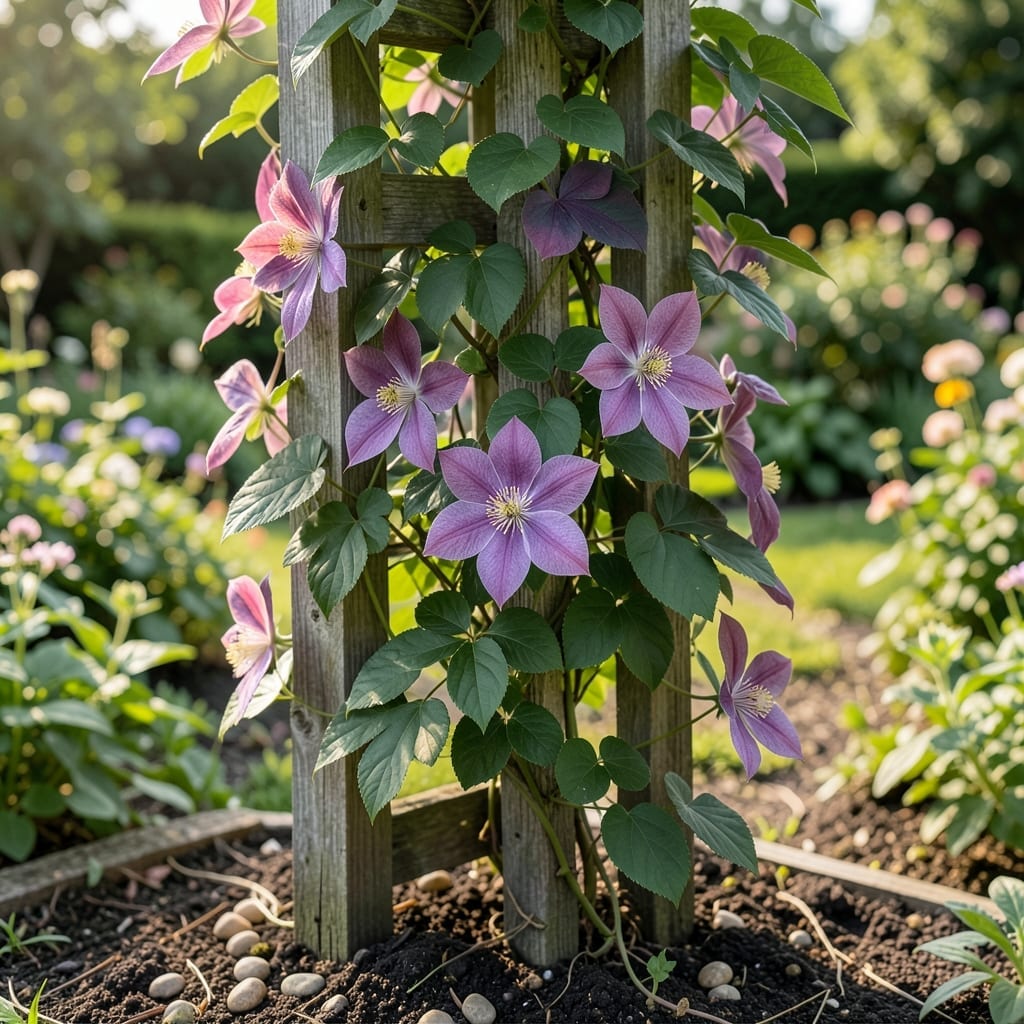
Clematis vines can transform any garden with their vibrant blooms, but their light requirements often confuse even experienced gardeners. Getting the sunlight balance right is the key to healthy growth.
I’ve seen too many gardeners struggle with wilting leaves or lackluster flowers because they didn’t understand the needs of their 🌿 Clematis. The truth is, these plants thrive with a specific mix of sun and shade.
Whether you’re planting in USDA zones 4-9 or just starting out, knowing how to position your Clematis makes all the difference. Let me share what I’ve learned from years of trial and error.
You’ll discover how to create the ideal conditions for lush, flourishing vines that become the centerpiece of your garden. Let’s get started.
 Best Window Placement
I’ve found that clematis light needs vary by group, but most thrive with 6+ hours of sun daily. The key is protecting their roots while letting the tops bask in light. This balance prevents leaf scorch and encourages blooms.
In my garden, Group 1 clematis like Clematis alpina prefer partial shade, especially in hot climates. They bloom early on last year’s wood, so morning sun and afternoon shade work perfectly.
| cell” style=”background-color:#6fd544;color:#fff;”>Example Varieties |
| cell”>Clematis alpina, C. montana |
| cell”>Clematis florida, C. ‘Nelly Moser’ |
| cell”>Clematis viticella, C. ‘Jackmanii’ |
For Group 2 clematis, such as ‘Nelly Moser’, I recommend morning sun and dappled afternoon shade. These repeat bloomers need consistent light but can scorch in intense heat.
My Group 3 clematis like ‘Jackmanii’ love full sun. They bloom on new wood, so 6-8 hours of sun fuel their late-summer flowers. Just ensure the root zone stays cool with mulch.
Shade-tolerant clematis like Clematis montana do well in bright shade. I’ve seen them thrive under tall trees where they get filtered light all day. They’re perfect for north-facing walls.
If your garden has hot afternoons, consider planting clematis where they get east-facing sun. This gives them gentle morning light and protects them from harsh midday rays. I’ve used this trick with great success.
For full-sun locations, I always add a thick layer of mulch or plant low-growing perennials at the base. This keeps the roots cool while the vines climb toward the light.
Container-grown clematis need extra attention. I move my pots to follow the sun, ensuring they get at least 6 hours of light daily. Use a large container to prevent root overheating.
Remember, clematis vines climb toward light, so place your trellis or support where it gets optimal exposure. I’ve seen vines stretch toward the sun, even if it means growing sideways at first!
Finally, observe your plants. If leaves look bleached or crispy, they may need more shade. If they’re not blooming, they might need more sun. Adjust as needed—your clematis will thank you!
With the right light balance, your clematis will reward you with vibrant blooms and healthy growth year after year 🌿
I’ve found that clematis thrive when their tops bask in sunlight while their roots stay cool. This balance prevents stress and encourages vibrant blooms throughout the season.
To achieve this, I plant them where they’ll get at least 6 hours of direct sunlight daily, but I always add mulch or low-growing plants to shade the base. This simple trick keeps the roots happy.
In my garden, I’ve had great success with Group 2 clematis like ‘Nelly Moser’ in partial shade, producing large, colorful blooms without leaf scorch.
For full-sun locations, I recommend Group 3 varieties such as ‘Jackmanii’, which handle hotter conditions better than others. Just
If your space is shady, don’t worry—Group 1 clematis like ‘Armandii’ can thrive with just dappled sunlight. They bloom early and tolerate cooler spots.
I always remind fellow gardeners that observing your plants is key. If leaves look bleached or crispy, it’s a sign of too much sun. Adjust with shade cloth or relocate if needed.
With the right light balance, your clematis will reward you with years of stunning blooms and healthy growth. 🌿