
Beautiful Plants For Your Interior
Beautiful Plants For Your Interior
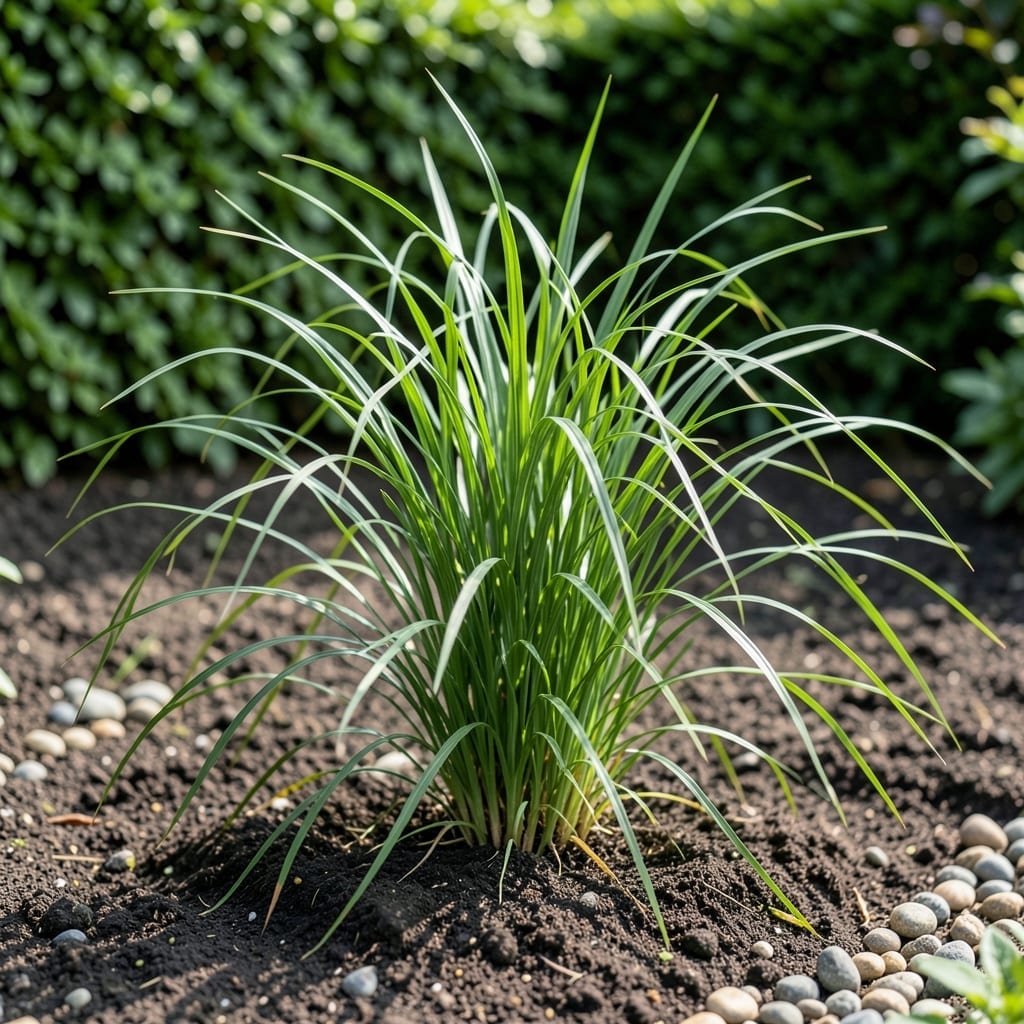
If you’re growing Citronella 🌿 to keep mosquitoes away, sunlight is key to its success. These fragrant plants need plenty of light to thrive and produce the oils that repel pests effectively.
Without enough sun, your Citronella may grow weak and lose its potent scent. I’ve learned that getting the light conditions right makes all the difference in growing a healthy, mosquito-repelling plant.
Discover how much sun your Citronella truly needs and how to provide the ideal growing conditions for a lush, effective natural repellent.

If you want your citronella plants to thrive and repel mosquitoes effectively, sunlight is non-negotiable. These tropical herbs are sun-lovers at heart, requiring plenty of light to produce the essential oils that give them their bug-repelling power.
I’ve found that 6 to 8 hours of direct sunlight daily is the sweet spot for most citronella varieties. Anything less, and you’ll likely notice weaker growth and a reduced fragrance, which means fewer mosquitoes kept at bay. ☀️
| Requirement | Specification |
|---|---|
| Ideal Sunlight | 6-8 hours daily |
| Light Type | Direct sun |
| Minimum Sun | 4-6 hours |
| Best Window | South-facing |
| Outdoor Placement | Full sun exposure |
In hotter climates like USDA zones 9-11, citronella can handle even more sun, but in scorching summer afternoons, a bit of dappled shade can prevent leaf burn. The key is consistent, bright light to maximize those pest-repelling oils.
If you’re growing citronella in containers, place them where they’ll get morning sun and some afternoon shade in extreme heat. This balance helps maintain vibrant foliage and strong stems while still encouraging oil production.
I’ve noticed that plants in full sun tend to grow taller and bushier, with a more intense citrus scent. That’s because sunlight boosts photosynthesis, which in turn increases the concentration of citronella oil in the leaves.
For gardeners in cooler regions, aim for the maximum sunlight your space allows. Even if you can’t hit the full 8 hours, 6 hours of direct light is the absolute minimum for healthy growth and effective mosquito protection.
If your yard lacks full sun, consider container gardening so you can move pots to follow the sun’s path. A sunny patio or balcony can work just as well as an in-ground bed for these adaptable plants.
Remember, citronella planted in too much shade will grow tall and leggy as it stretches for light. This weakens the plant and reduces its ability to repel pests, so prioritize sun exposure above all else. 🌿
Finally, if you’re starting citronella from seeds or cuttings, give them bright, indirect light at first to avoid stressing the young plants. Once established, gradually introduce them to full sun for the best results.
If your citronella plant looks sad and weak, it’s likely crying out for more sunlight. These sun-loving herbs show clear distress signs when deprived of adequate light, and catching them early can save your plant.
I’ve seen firsthand how leggy growth and sparse foliage appear when citronella doesn’t get its required light. The stems stretch unnaturally toward any light source, resulting in a tall, flimsy plant that struggles to stand upright. ☀️
⚠️ Warning: Weak stems, pale leaves, and a faint citrus scent are red flags. Without enough sun, your citronella won’t produce enough essential oils to repel mosquitoes effectively.
Another common sign is reduced fragrance. Citronella’s mosquito-repelling power comes from its oils, which sunlight helps produce. If your plant smells weak or barely there, it’s a sure sign it needs more light exposure.
You might also notice yellowing leaves or leaf drop, especially on the lower parts of the plant. This happens as the plant prioritizes new growth toward the light, sacrificing older leaves that can’t photosynthesize efficiently.
To fix this, relocate your plant to a sunnier spot immediately. If you’re growing in containers, move them to a south-facing patio or balcony where they’ll get at least 6 hours of direct sun daily.
For in-ground plants, consider thinning nearby vegetation that might be casting shade. Even a few extra hours of sunlight can make a dramatic difference in your citronella’s health and effectiveness as a natural repellent. 🌿