
Beautiful Plants For Your Interior
Beautiful Plants For Your Interior
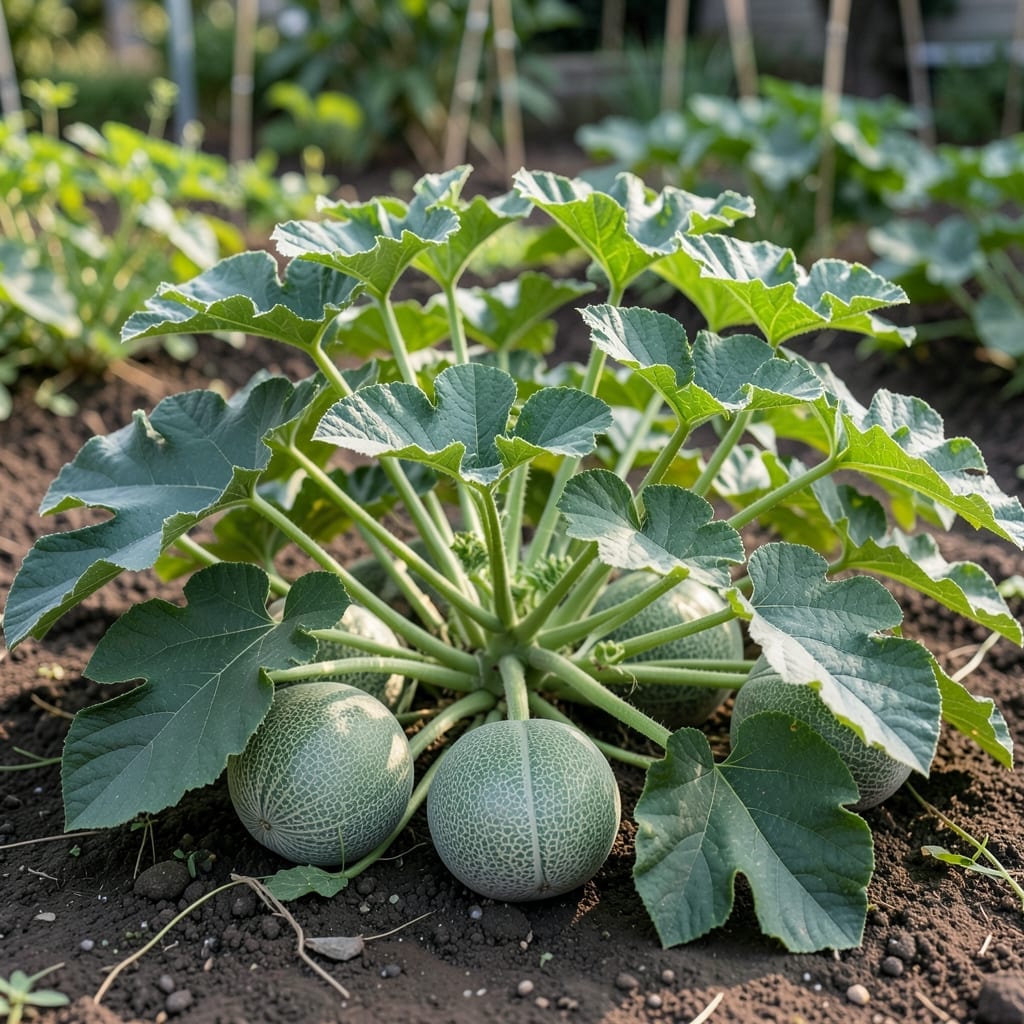
Cantaloupes thrive on warmth and sunlight, but does that mean they absolutely need full sun to produce sweet, juicy fruit? The answer could make or break your 🍈 harvest.
I’ve seen gardeners struggle with lackluster melons, often because they underestimated how much light these plants crave. Getting this right means the difference between mediocre and mouthwatering results.
Discover what cantaloupes truly need to flourish, and how to give them the best start in your garden this season.

Cantaloupes are sun-worshipping plants that thrive on warmth and direct light. They need 6-8 hours of full sun daily to develop their signature sweetness and size. Without enough light, the vines grow leggy and weak, struggling to produce fruit. ☀️
This isn’t just about growth—it’s about sugar development. Sunlight fuels photosynthesis, the process that creates the sugars making cantaloupes so delicious. Less sun means bland, undersized melons that lack that juicy burst. 🌱
| cell” style=”background-color:#6fd544;color:#ffffff;” data-align=”center”>Specification | |
| row”> | cell” data-align=”center”>Direct sunlight |
| row”> | cell” data-align=”center”>Full sun |
I’ve noticed that cantaloupes grown in partial shade often produce smaller fruits with thinner rinds. The plants may survive, but they won’t thrive without that intense sunlight. The vines stretch toward the light, creating sparse foliage and fewer flowers. 🌿
Another critical factor is disease prevention. Full sun helps keep the foliage dry, reducing the risk of fungal diseases like powdery mildew. Wet leaves in shady spots invite trouble, especially in humid climates. ☀️
For the best results, plant your cantaloupes in the sunniest spot in your garden. South-facing locations are ideal, as they receive the most consistent light throughout the day. If your garden has limited sun, consider using reflective mulches to bounce extra light onto the plants.
Remember, cantaloupes are warm-season crops. They need not only light but also heat to grow well. Soil temperatures should be at least 70°F before planting. In cooler climates, black plastic mulch can help warm the soil faster in spring.
If you’re growing cantaloupes in containers, place them where they’ll get maximum sunlight. Balconies, patios, or driveways often work well. Just ensure the containers are large enough—at least 5 gallons per plant—to support the extensive root system.
Finally, don’t overlook proper spacing. Crowded plants compete for light, leading to poorer growth. Give each cantaloupe vine 3-4 feet of space in all directions. This ensures good air circulation and full light exposure for every leaf.
By prioritizing sunlight, you’re setting the stage for healthy vines and a bountiful harvest. With the right conditions, your cantaloupes will reward you with sweet, aromatic fruit that’s well worth the effort. 🌻
While cantaloupes prefer full sun, they can survive in partial shade—but with compromises. Expect smaller fruits and a reduced harvest if your garden offers only 4-6 hours of sunlight. ☀️
The plants will still grow, but their sugar content often suffers. Without enough light, photosynthesis slows, leading to less sweet melons. The vines may also stretch toward available light, creating sparse foliage. 🌿
To maximize success in partial shade, choose fast-maturing varieties like ‘Minnesota Midget’ or ‘Early Silver Line’. These may produce decent crops with slightly less light. 🌱
Improve light exposure by using reflective mulches like silver plastic or aluminum foil. These bounce extra light onto the leaves, mimicking full-sun conditions. Also, prune nearby plants that might cast shadows.
If your garden gets dappled sunlight through trees, thin the canopy to allow more light to reach the ground. Even an extra hour of sun can significantly boost fruit quality and quantity.
Remember, cantaloupes in shade need consistent moisture to compensate for slower growth. Keep the soil evenly damp but not waterlogged to prevent root rot. A drip irrigation system works best. ☀️