
Beautiful Plants For Your Interior
Beautiful Plants For Your Interior
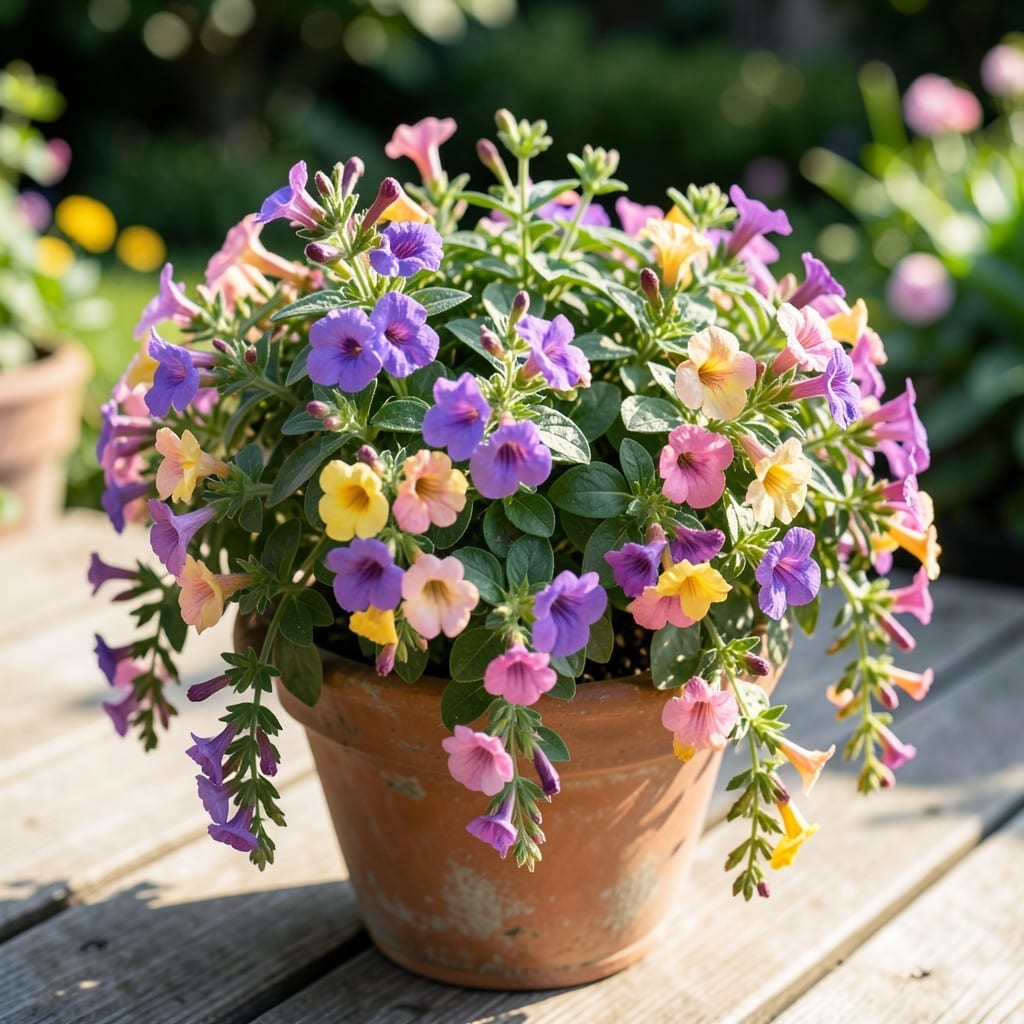
If you’ve ever seen Calibrachoa 🌸 cascading from a hanging basket, you know these tiny trumpets pack a punch of color. But here’s the thing—getting their light just right can make or break your display.
I’ve watched too many gardeners struggle with lackluster blooms, all because they missed this one critical factor. The good news? It’s simpler than you think to create the perfect conditions.
Whether you’re growing in containers or garden beds, understanding their sunlight sweet spot is your ticket to vibrant, non-stop flowers. And yes, there’s a bit of flexibility depending on your climate.
Let me walk you through exactly what Calibrachoa needs to thrive, including those little nuances that separate so-so plants from showstoppers.

If you want your calibrachoa to burst with color, full sun is the way to go. These vibrant million bells thrive with 6+ hours of direct sunlight daily. I’ve seen them produce the most blooms when they get that golden exposure.
But here’s the nuance: while they love sun, afternoon shade can be a lifesaver in scorching climates. In zones with extreme heat, a little break from the sun prevents wilting and keeps the flowers looking fresh.☀️
| Requirement | Specification |
|---|---|
| Ideal Sunlight | 6+ hours daily |
| Minimum Sun | 4 hours daily |
| Heat Tolerance | High with afternoon shade |
| Shade Tolerance | Partial shade accepted |
In my experience, calibrachoa planted in partial shade still grow but won’t flower as abundantly. If your garden gets 4-6 hours of sun, they’ll manage, but expect fewer blooms and slightly leggy growth.
For container gardeners, place your hanging baskets or pots where they’ll catch morning sun. A south-facing or west-facing location works best for maximum exposure. I’ve had great success with mine on a sunny patio.
Regional differences matter too. In cooler climates like the Pacific Northwest, full sun is ideal. But in the desert Southwest, dappled shade during peak afternoon hours keeps them from stressing.🌿
If you’re growing calibrachoa indoors, a sunny windowsill is a must. Without enough light, they’ll stretch out and lose their compact, bushy shape. I always recommend supplementing with a grow light if natural light is limited.
Don’t forget that soil moisture and sun exposure go hand in hand. Plants in full sun dry out faster, so check the soil regularly. I water mine every 2-3 days in peak summer to keep them happy.
For the best results, pair your calibrachoa with well-draining soil and a balanced fertilizer. This combo, along with the right sunlight, will give you those cascading blooms that make these plants so popular.🌸
Finally, if you notice your plants looking leggy or sparse, it’s often a sign they’re not getting enough light. Try moving them to a sunnier spot, and you’ll likely see an improvement in just a few weeks.
If your calibrachoa looks leggy and sparse, it’s likely begging for more sunlight. These plants stretch out when they’re not getting enough light, trying to reach for those rays.
Another red flag is fewer blooms than expected. I’ve seen million bells produce half the flowers in shady spots compared to full sun. They’ll grow, but they won’t wow you.🌿
⚠️ Warning: Pale leaves and weak stems are classic signs of light deficiency. Move plants to a sunnier spot immediately to prevent long-term stress.
You might also notice smaller flowers or blooms that fade quickly. In my garden, the calibrachoa in partial shade always have paler, less vibrant colors than those in full sun.
If your plants are in containers, check if they’re leaning toward the light. This is their way of telling you they need more. I simply rotate my pots weekly for even exposure.
Yellowing leaves can also indicate light stress, though this might overlap with watering issues. When in doubt, increase sunlight first and monitor the response.☀️
For a quick fix, try moving your calibrachoa to a spot with morning sun and afternoon shade. This balance often revives struggling plants within a week or two.