
Beautiful Plants For Your Interior
Beautiful Plants For Your Interior
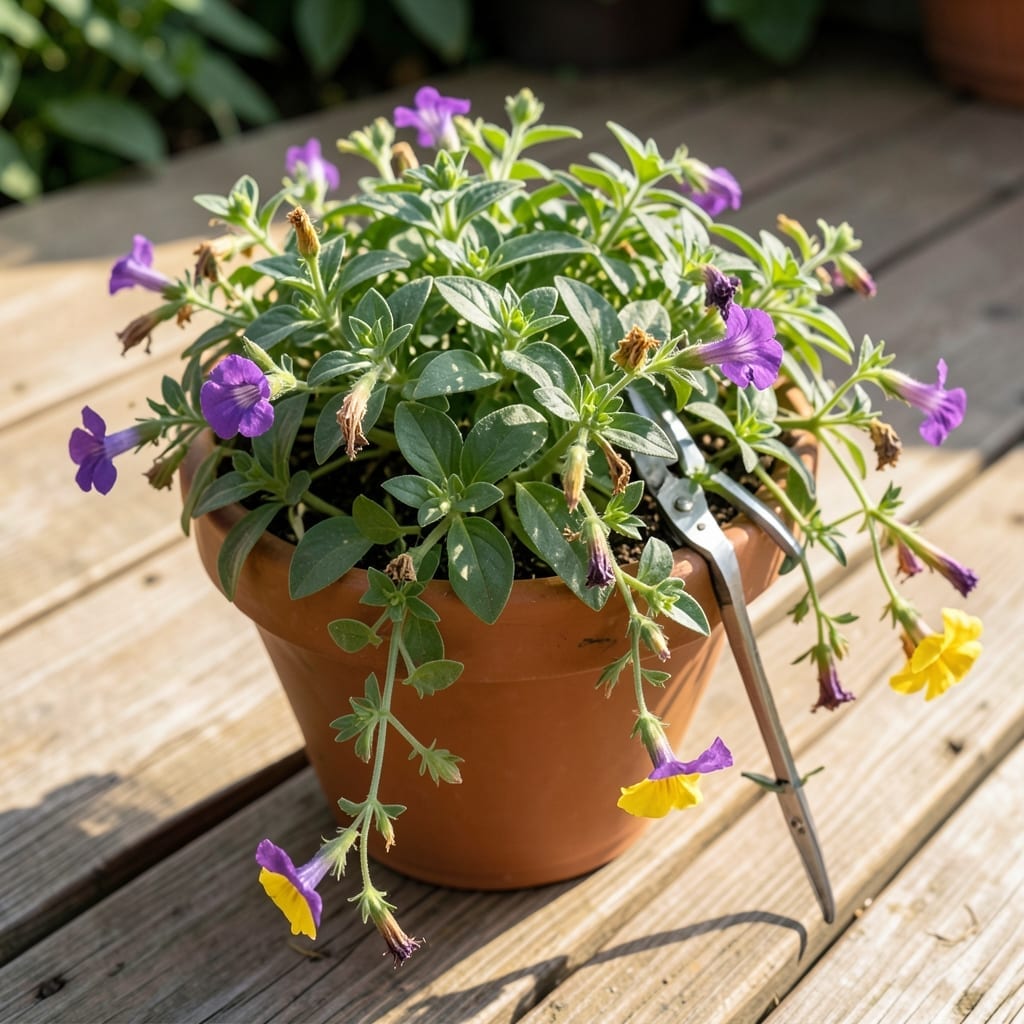
I used to spend hours deadheading my garden, only to wonder if it was really necessary for every plant. With Calibrachoa 🌸, the answer might surprise you.
These vibrant million bells are known for their low-maintenance nature, but does that include skipping deadheading? The truth could change how you care for them.
Let me walk you through what I discovered about Calibrachoa’s unique blooming habits and whether this simple step makes a difference in their performance.
I used to think every flowering plant needed deadheading to thrive, but calibrachoa changed my perspective. These vibrant million bells are self-cleaning, meaning they naturally drop spent blooms without your help.
Unlike petunias, calibrachoa don’t rely on deadheading to produce more flowers. Their continuous blooming habit is hardwired, making them a dream for gardeners who want color without the fuss.
🌸 Key Takeaway: No Deadheading Needed
Calibrachoa are self-cleaning plants that drop spent blooms naturally, so deadheading isn’t required for continuous blooming.
This low-maintenance trait is thanks to their unique genetics. Calibrachoa were bred to shed faded flowers automatically, keeping the plant looking tidy and encouraging new growth without manual intervention.
In fact, I’ve found that deadheading calibrachoa can sometimes disrupt their natural rhythm. The plant is already optimized to redirect energy into producing more blooms, so removing spent flowers manually doesn’t provide the same boost as it does for other plants.
there are exceptions. If you notice diseased or damaged blooms, it’s still a good idea to snip them off. This prevents the spread of issues and keeps the plant healthy, but it’s not the same as traditional deadheading for blooming purposes.
Expert gardeners often recommend focusing on other care aspects, like consistent watering and balanced fertilization, to get the most out of your calibrachoa. These plants thrive with 6+ hours of sun and well-draining soil, which are far more critical to their performance.
I’ve also noticed that calibrachoa tend to bloom more prolifically when they’re not stressed. Over-handling, like excessive deadheading, can sometimes cause unnecessary stress, so it’s best to let them do their thing naturally.
If you’re used to deadheading other flowers, it might feel odd to skip this step with calibrachoa. But trust me, these plants are designed to bloom nonstop without the extra effort. It’s one of the reasons they’re such a popular choice for hanging baskets and containers.
So, while you can deadhead calibrachoa if you really want to, it’s not necessary for optimal blooming. Save your time and energy for other garden tasks, and enjoy the effortless beauty these plants provide. ☀️
Since calibrachoa don’t need deadheading, I focus on other care practices to keep them thriving. These million bells bloom best with consistent moisture and well-draining soil to prevent root rot.
A balanced fertilizer applied every 2-4 weeks during the growing season gives them the nutrients they need. I prefer a 10-10-10 NPK ratio for steady, vibrant blooms all season long.
🌸 Top Care Tips for Calibrachoa
I’ve found that morning watering works best, allowing the soil to dry slightly between sessions. This prevents fungal issues while keeping the roots happy and hydrated.
If your calibrachoa starts looking leggy or sparse, a light trim can work wonders. I use clean pruning shears to snip back overgrown stems, which stimulates new growth and more blooms.
Don’t forget about container care—these plants love hanging baskets and pots. Just ensure there’s good drainage to avoid waterlogged roots, which can stunt their growth.
With the right care, calibrachoa will reward you with nonstop color from spring to frost. They’re the perfect low-maintenance choice for busy gardeners who still want a stunning display. ✂️