
Beautiful Plants For Your Interior
Beautiful Plants For Your Interior
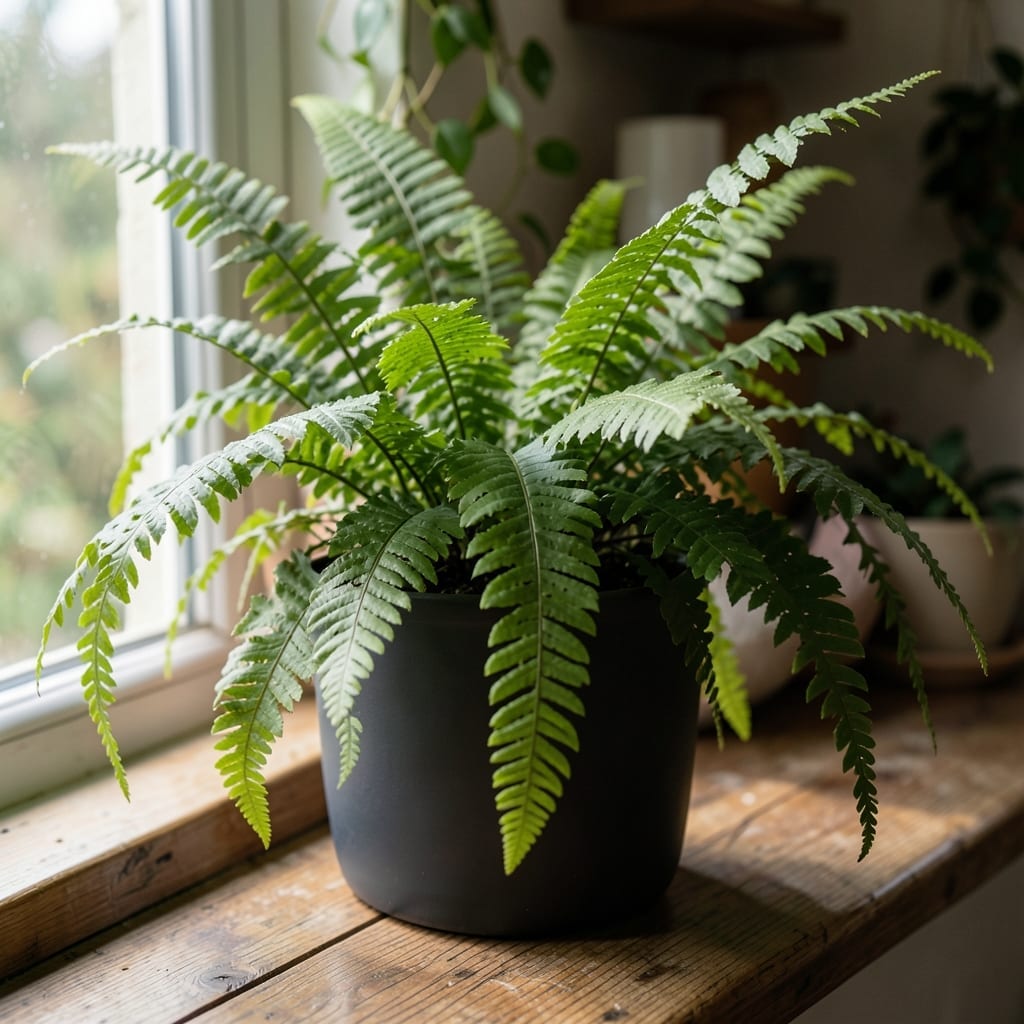
If your Boston Fern’s fronds are turning crispy, you might be making a common light mistake. These lush plants 🌿 thrive in specific conditions that many gardeners miss.
I learned the hard way that too much direct sunlight can damage their delicate leaves. The right balance keeps them vibrant and healthy year-round.
Discover the ideal light setup for your Boston Fern and watch it transform. Let me show you exactly what works best.

Boston ferns are sensitive to direct sunlight. I’ve seen many gardeners struggle with crispy, brown fronds because they assumed more sun means better growth. That’s simply not true for these shade-loving plants. 🌿
These lush green beauties thrive in bright, indirect light. Think of the dappled sunlight they’d get under a forest canopy in their natural habitat. Replicating this indoors or outdoors is key.
| Requirement | Specification |
|---|---|
| Ideal Light | Bright, indirect |
| Direct Sun Tolerance | Low (1-2 hours max) |
| Shade Tolerance | High |
| Indoor Placement | East/West windows |
| Outdoor Placement | Full to partial shade |
In my experience, a north-facing window is perfect for indoor Boston ferns. It provides consistent, gentle light without the harsh midday rays. East-facing windows work too, but you’ll need to monitor for afternoon sun exposure.
Outdoors, I always place my Boston ferns under larger plants or on a covered patio. This mimics their natural environment and prevents sunburn on their delicate fronds. Even a few hours of direct sun can cause damage. ☀️
If your fern isn’t getting enough light, you’ll notice sparse growth and smaller fronds. The plant may also develop a leggy appearance as it stretches toward any available light source. This is your fern’s way of telling you it needs more brightness.
On the flip side, too much sun causes fronds to turn yellow or brown and crispy at the edges. I once left a Boston fern on a sunny windowsill for a weekend and came back to completely scorched leaves. It was a harsh lesson!
For best results, aim for 2-4 hours of gentle morning light. This is especially important during the growing season (spring and summer) when your fern is most active. In winter, you can supplement with a grow light if natural light is scarce.
Remember, Boston ferns are tropical plants that naturally grow in humid, shaded environments. Recreating these conditions at home will reward you with vibrant, healthy fronds that can grow up to 3 feet long. 🌿
If you’re unsure about your fern’s light needs, start with less sun and gradually increase. It’s much easier to add light than to treat sun damage. Trust me, your fern will thank you with lush, green growth.
Finding the perfect spot for your Boston fern can make all the difference. I’ve tested various locations and found that indirect light is the golden rule for these plants. They flourish in spaces that mimic their natural forest floor habitat. 🌿
Indoors, I always recommend east or north-facing windows. These provide gentle, consistent light without the harsh afternoon rays. A bathroom with a window is another great option, as the humidity helps too.
Outdoors, your Boston fern will thrive in full to partial shade. I’ve had great success placing them under taller plants or on a covered porch. These spots protect them from direct sunlight while still allowing plenty of light.
If you’re using artificial lighting, keep the grow light about 12-18 inches above the plant. I use a timer to provide 12-14 hours of light daily during shorter winter days. This keeps my ferns lush year-round.
Seasonal changes matter too. In summer, I move my outdoor ferns to shadier spots as the sun’s intensity increases. In winter, I bring them indoors near my brightest windows. This simple adjustment prevents light-related stress. ☀️