
Beautiful Plants For Your Interior
Beautiful Plants For Your Interior
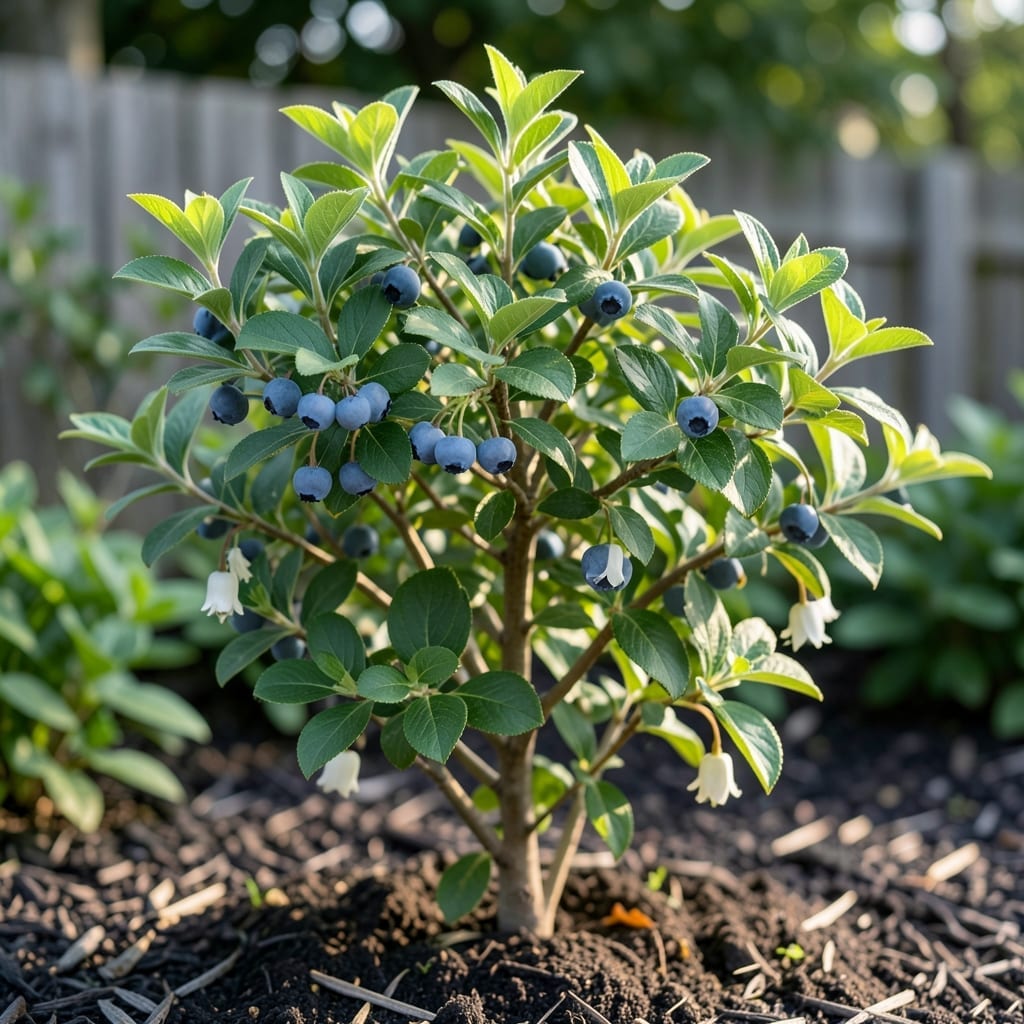
Wondering if your Blueberry Bush 🫐 needs full sun to thrive? The right light exposure can mean the difference between a sparse harvest and buckets of sweet, juicy berries every season.
Getting this right is the key to maximizing your yield. Many gardeners don’t realize how much sunlight truly impacts their plants’ productivity and overall health.
Discover the ideal light conditions for your Blueberry Bush and how to adjust for your specific climate. Let’s set you up for success with bountiful harvests year after year.

If you want maximum fruit production from your blueberry bushes, 6-8 hours of direct sunlight daily is ideal. I’ve found that bushes getting this amount consistently produce the sweetest, most abundant berries. ☀️
Sunlight directly fuels photosynthesis, which in turn boosts berry development and sugar content. Without enough light, you’ll notice fewer flowers and smaller fruits, even if the plant looks healthy.
| Requirement | Specification |
|---|---|
| Ideal Sunlight | 6-8 hours daily |
| Light Type | Direct sunlight |
| Minimum Sunlight | 4-6 hours (reduced yield) |
| Best Window | South-facing exposure |
| Climate Adjustments | Afternoon shade in hot climates |
In my experience, morning sun is particularly valuable because it dries dew quickly, reducing the risk of fungal diseases. This is especially important for blueberries, which are prone to issues like powdery mildew. 🌿
For gardeners in hotter climates (like USDA zones 8-10), I recommend providing afternoon shade to prevent heat stress. A little protection during peak sun can keep your bushes thriving without sacrificing fruit quality.
Highbush varieties like ‘Bluecrop’ or ‘Chandler’ are more sun-tolerant and can handle full sun in most regions. However, lowbush types (wild blueberries) often prefer a bit of shade, especially in the hottest part of the day.
If your garden doesn’t get full sun, don’t worry—blueberries can still produce in partial shade, though yields may drop by 30-50%. I’ve seen bushes in eastern exposures (morning sun only) still produce a decent harvest.
To optimize light exposure, plant your bushes in the sunniest spot available, spaced 4-6 feet apart to allow airflow. Avoid low-lying areas where cold air or shade from trees might settle. ✂️
Container-grown blueberries give you flexibility to move pots for optimal light throughout the day. I’ve had success with this method on patios where full sun isn’t consistently available in one spot.
Remember, consistent moisture pairs with sunlight for the best results. Blueberries have shallow roots, so mulch heavily to retain soil moisture, especially in sunny locations where soil can dry out quickly. 💧
While blueberry bushes thrive in full sun, they can still grow in partial shade, though with some trade-offs. I’ve found that varieties like lowbush blueberries tolerate shade better than highbush types. ☀️
In partial shade (4-6 hours of sun), expect a 30-50% reduction in yield compared to full sun. The berries may also be smaller and less sweet, but the plants will still produce.
Lowbush varieties like ‘Top Hat’ or ‘Peach Sorbet’ are more shade-tolerant and can thrive with just 4-5 hours of sunlight. These are perfect for woodland gardens or shady borders. 🌿
For full shade, blueberries struggle significantly. Without at least 4 hours of sun, you’ll see poor flowering, minimal fruiting, and leggy growth. I don’t recommend planting in full shade unless it’s a temporary situation.
To maximize success in shady spots, choose dwarf varieties and ensure the soil is highly acidic (pH 4.0-5.5). Adding reflective mulch can also help direct more light to the plant.
If you’re in a forested area, thin out some overhead branches to create dappled sunlight. This mimics their natural habitat and often works better than deep shade. ✂️
Remember, even in shade, consistent watering is key. Blueberries have shallow roots, so keep the soil evenly moist but well-drained to prevent root rot. 💧