
Beautiful Plants For Your Interior
Beautiful Plants For Your Interior
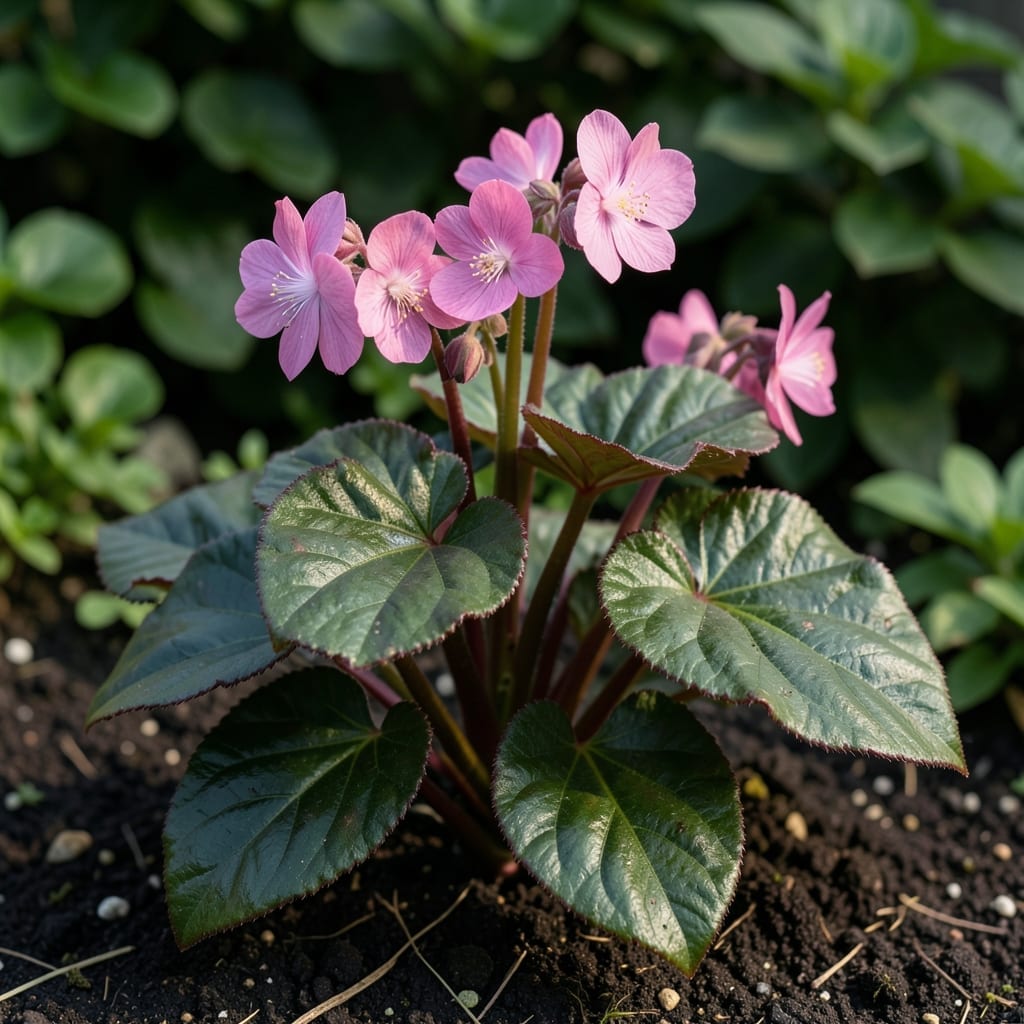
I’ve seen too many gardeners struggle with their begonias because they got the light conditions wrong. The 🌸 Begonia is more particular than most plants when it comes to sunlight.
Getting this right means the difference between vibrant blooms and a sad, leggy plant. The good news? It’s easier than you think once you understand the basics.
Let me walk you through exactly what these beautiful plants need to thrive. You’ll be surprised how simple it is to give them the perfect light.
 Best Window Placement
I’ve found that begonias are quite particular about their light. Most varieties prefer partial shade but can handle some sun. The key is understanding your specific type, as needs vary widely between wax begonias and rex begonias. ☀️
In my experience, tuberous begonias thrive with morning sun and afternoon shade. Meanwhile, cane begonias often do best in bright indirect light all day. Getting this right prevents leaf scorch and leggy growth. 🌿
| Begonia Type | Ideal Light | Hours of Sun |
|---|---|---|
| Wax Begonias | Partial shade to full shade | 2-4 hours |
| Tuberous Begonias | Morning sun, afternoon shade | 4-6 hours |
| Rex Begonias | Bright indirect light | 0-2 hours |
| Cane Begonias | Filtered light all day | 2-4 hours |
For outdoor planting, I recommend placing begonias where they’ll get dappled sunlight through trees. This mimics their natural habitat under forest canopies. Avoid hot afternoon sun, which can scorch their delicate leaves. 🌱
Indoor begonias need a different approach. An east-facing window is ideal, providing gentle morning light. If you only have south-facing windows, use a sheer curtain to diffuse the intense light. I’ve seen many plants struggle without this simple adjustment.
Rex begonias are the most shade-tolerant. In fact, too much sun can bleach their colorful foliage. I keep mine on a north-facing windowsill where they receive bright but indirect light all day. The results are stunning, vibrant leaves.
If you’re growing tuberous begonias in containers, remember they need more light to produce flowers. I suggest 4-6 hours of morning sun followed by shade. This combination encourages abundant blooms without stressing the plant.
Watch for signs of light stress. Yellowing leaves often indicate too much sun, while leggy stems and small leaves suggest not enough light. I check my plants weekly for these telltale signs and adjust their position accordingly.
For garden beds, consider companion planting with taller plants that can provide natural shade. I’ve had success pairing begonias with hostas or ferns. This creates a beautiful layered effect while meeting both plants’ light needs. 🪴
Remember that seasonal changes affect light conditions. In summer, even shade-loving begonias might need protection from intense heat. In winter, you may need to move indoor plants closer to windows to compensate for shorter days.
Getting the light right for your begonias starts with their location. I always recommend east-facing windows for indoor plants, as they provide gentle morning sun without harsh afternoon rays. This works especially well for wax begonias and rex begonias. ☀️
For outdoor begonias, I suggest spots with dappled shade or under taller plants. This mimics their natural forest floor habitat. Avoid full sun in hot climates, as it can scorch their leaves quickly.
If you only have south-facing windows, don’t worry. A simple sheer curtain can diffuse the intense light. I’ve saved many tuberous begonias from scorching this way. Just
For container gardening, I rotate my pots weekly. This ensures even light distribution and prevents leggy growth on one side. It’s a small effort with big rewards in plant symmetry and health.
Seasonal changes matter too. In summer, even shade-loving begonias may need extra protection from intense heat. In winter, move indoor plants closer to windows to compensate for shorter days and weaker light.
I’ve found that companion planting helps create ideal conditions. Pair begonias with taller plants like ferns or hostas to provide natural shade. This works particularly well in garden beds and adds visual interest to your landscape. 🪴