
Beautiful Plants For Your Interior
Beautiful Plants For Your Interior
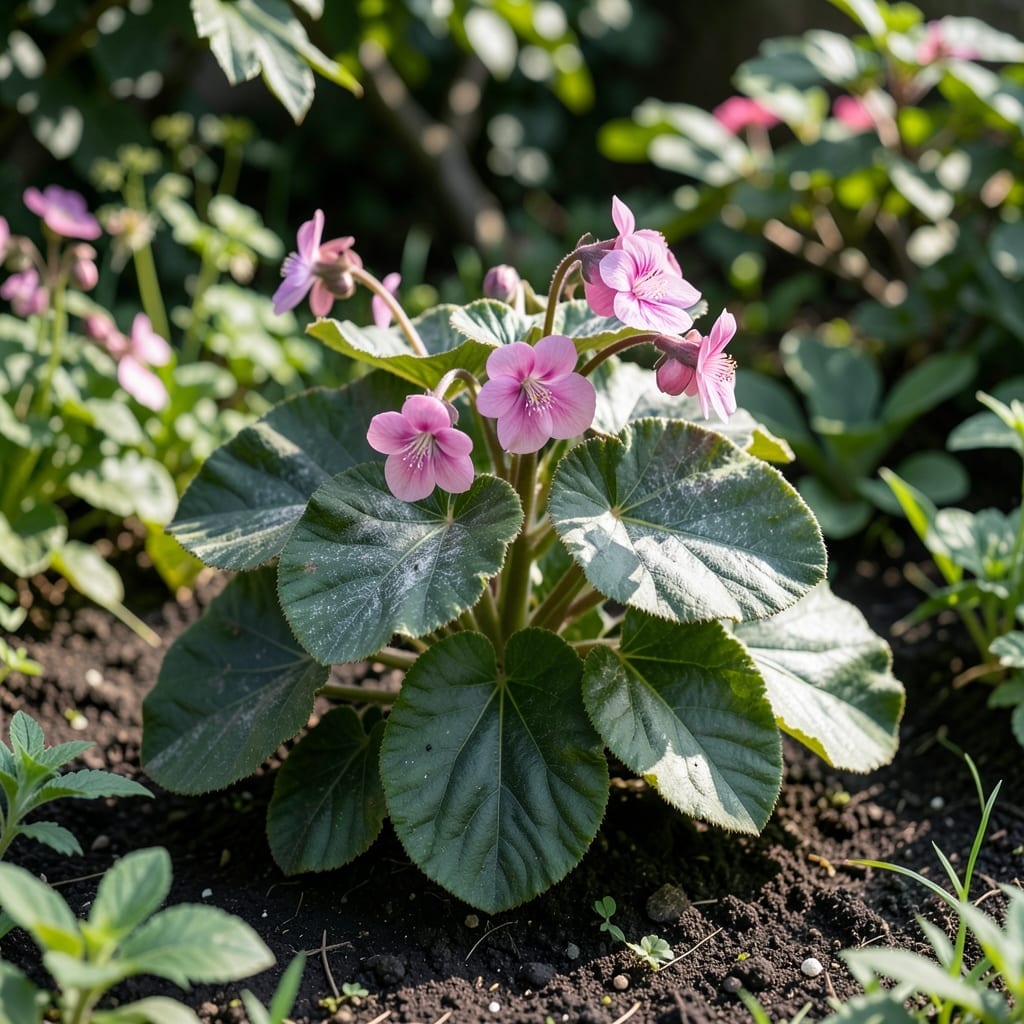
Begonias are beloved for their vibrant blooms and lush foliage, but their light requirements often confuse gardeners. Understanding whether the 🌸 Begonia needs full sun or thrives in shade is key to keeping them healthy.
I’ve seen too many gardeners struggle with wilting or leggy plants simply because they got the light conditions wrong. The good news? These beauties are more adaptable than you might think.
Let me walk you through what works best, so you can enjoy stunning begonias without the guesswork.

If you’ve ever wondered do begonias need full sun, the answer is a resounding no. These versatile plants actually prefer partial shade to thrive, especially in hotter climates.
Most begonia varieties flourish with 4-6 hours of morning sunlight or dappled shade throughout the day. Too much direct sun can scorch their delicate leaves.
| Requirement | Specification |
|---|---|
| Ideal Light | Partial Shade |
| Sun Exposure | 4-6 hours morning sun |
| Shade Tolerance | High |
| Indoor Placement | East-facing window |
| Outdoor Placement | Under tree canopy |
I’ve found that wax begonias can handle more sun than tuberous types, but even they need protection during the hottest part of the day. Rex begonias, with their stunning foliage, prefer almost full shade.
For indoor gardeners, an east-facing window provides the perfect amount of gentle morning light. If you only have a south-facing window, consider using a sheer curtain to filter the light.
In my experience, begonias grown in too much shade can become leggy and produce fewer flowers. The key is finding that sweet spot of bright, indirect light.
Remember that soil moisture and light exposure work together. Plants in sunnier spots will need more frequent watering, while those in shade can often go longer between drinks.
If you notice brown leaf edges or fading colors, it might be a sign your begonia is getting too much sun. On the flip side, pale leaves and stretched stems indicate it needs more light.
For outdoor plantings, I recommend placing begonias where they’ll get morning sun but be protected from harsh afternoon rays. Under a tree canopy or on the east side of a building works beautifully.
Don’t forget that container-grown begonias give you the flexibility to move them around as the light conditions change throughout the season. This is especially helpful in areas with intense summer sun.
☀️Not all begonias have the same light needs. Understanding the differences between varieties helps you provide the perfect growing conditions for each type in your garden.
I’ve tested various begonia types in my own garden, and their preferences vary significantly. Wax begonias are the most sun-tolerant, while rex begonias need almost full shade to maintain their stunning foliage.
| Variety | Best Light Conditions | Notes |
|---|---|---|
| Wax Begonias | Full sun to partial shade | Tolerates more sun than other types |
| Tuberous Begonias | Partial shade | Morning sun, afternoon shade ideal |
| Rex Begonias | Full to partial shade | Grown for foliage, needs protection |
| Angel Wing Begonias | Bright indirect light | Ideal for indoor growing |
For outdoor growing, I recommend placing wax begonias in spots that get morning sun and afternoon shade. They’ll reward you with abundant blooms all season long.
Tuberous begonias perform best in partial shade with some dappled sunlight. These are perfect for hanging baskets under tree canopies where they get gentle light.
If you’re growing rex begonias, keep them in full shade to preserve their vibrant leaf colors. These are primarily indoor plants but can be moved outside in summer to shaded patios.
Angel wing begonias thrive in bright indirect light, making them perfect for east-facing windows or well-lit rooms without direct sun exposure.
🌿