
Beautiful Plants For Your Interior
Beautiful Plants For Your Interior
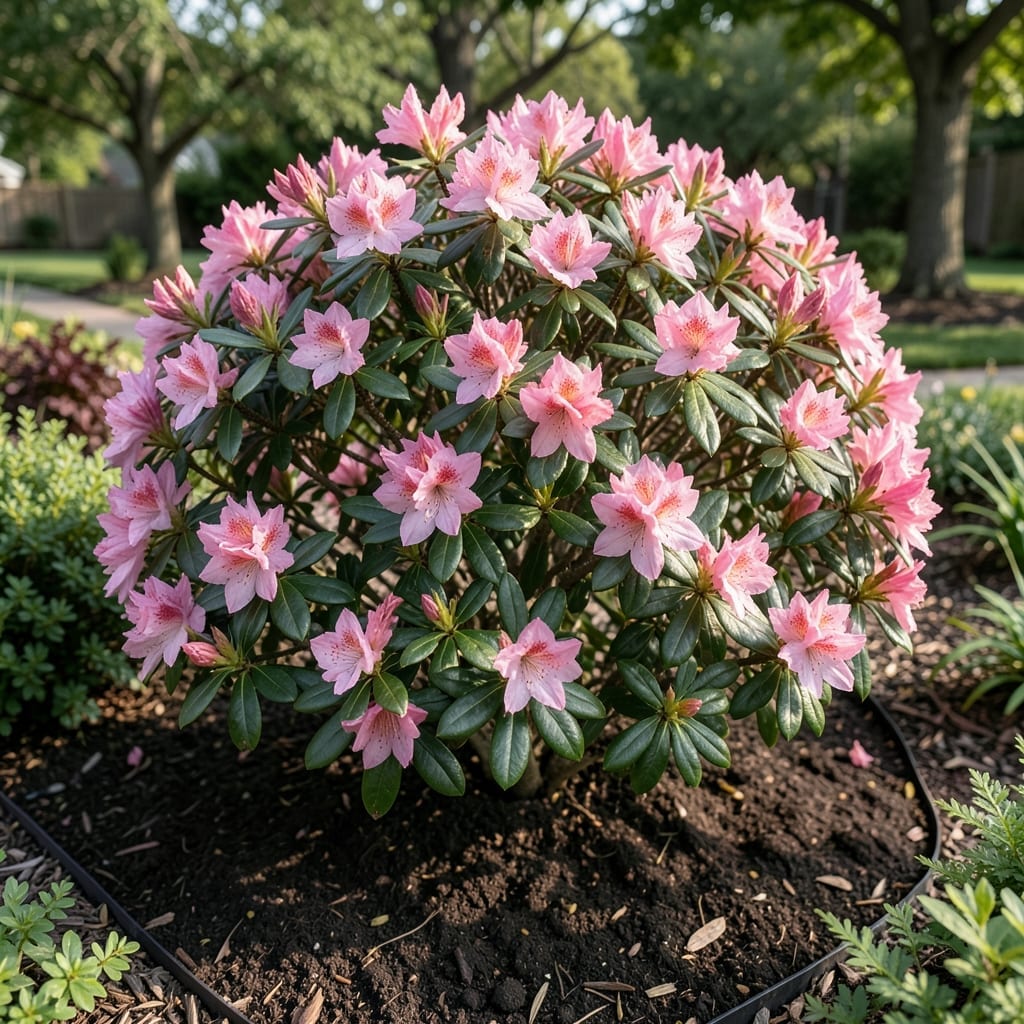
That first glimpse of vibrant 🌸 Azalea blooms in spring takes my breath away every time. But here’s what often trips up even experienced gardeners: nailing the perfect light balance.
Too much sun can scorch those delicate petals, while deep shade may leave you with more leaves than flowers. The difference between a struggling shrub and a showstopper often comes down to light exposure.
Let me walk you through what works best for these beauties in zone 6a. The right approach will have your Azaleas thriving with minimal effort.
 Best Window Placement
I’ve found that azaleas thrive best with a balanced light approach. Most varieties prefer partial shade, especially in hotter climates. This means 4-6 hours of sunlight daily, ideally in the morning.
Direct afternoon sun can scorch their delicate leaves, while too much shade may reduce blooming. The key is filtered light or dappled shade for vibrant, healthy growth.
| Azalea Type | Ideal Light | Daily Sun Hours |
|---|---|---|
| Evergreen Azaleas | Partial shade | 4-6 hours |
| Deciduous Azaleas | Morning sun, afternoon shade | 4-6 hours |
| Dwarf Varieties | Filtered light | 3-5 hours |
Morning sun is ideal because it’s gentler and dries dew quickly, reducing fungal risks. I always recommend east-facing locations for the best results. This setup mimics their natural woodland habitat.
Afternoon shade is crucial, especially in hotter zones. Without it, leaves can develop brown edges or scorch. A light, airy canopy from taller trees works perfectly for this.
If your garden lacks natural shade, consider using shade cloth during peak sun hours. This simple addition can make a world of difference for sun-sensitive varieties.
For container-grown azaleas, I move pots to follow the sun’s path. This ensures they get enough light without overheating. Rotating them weekly also promotes even growth.
Remember, soil moisture and light exposure go hand in hand. Shadier spots may need less frequent watering, while sunnier areas require more attention to prevent drying out.
In my experience, observing your plants is the best guide. If leaves look pale or blooms are sparse, it might be time to adjust their light conditions. A little tweaking often leads to spectacular results.
Finally, don’t forget that local climate plays a role. In cooler areas, azaleas can handle more sun, while in hot climates, they’ll need more protection from intense rays.
☀️Getting the light right for azaleas often means making small adjustments. I start by observing how the sun moves across my garden. Morning sun is your friend, so I prioritize east-facing spots whenever possible.
For gardens with limited natural shade, I create my own using shade cloth or tall companion plants. This protects azaleas from harsh afternoon rays while still allowing them to thrive.
In container gardening, I move my azalea pots to follow the sun’s path. This ensures they get enough light without overheating. Rotating them weekly promotes even growth and prevents one-sided development.
For ground-planted azaleas, I recommend planting them where they’ll get morning sun and afternoon shade. This mimics their natural woodland habitat and reduces stress from intense heat.
If you notice leaf scorch or pale foliage, it’s often a sign of too much sun. I’ve found that moving plants just a few feet can make a significant difference in their health and blooming.
Remember that seasonal changes affect light patterns. What works in spring might need adjustment in summer. I check my azaleas monthly to ensure they’re getting the right amount of light.
☀️