
Beautiful Plants For Your Interior
Beautiful Plants For Your Interior
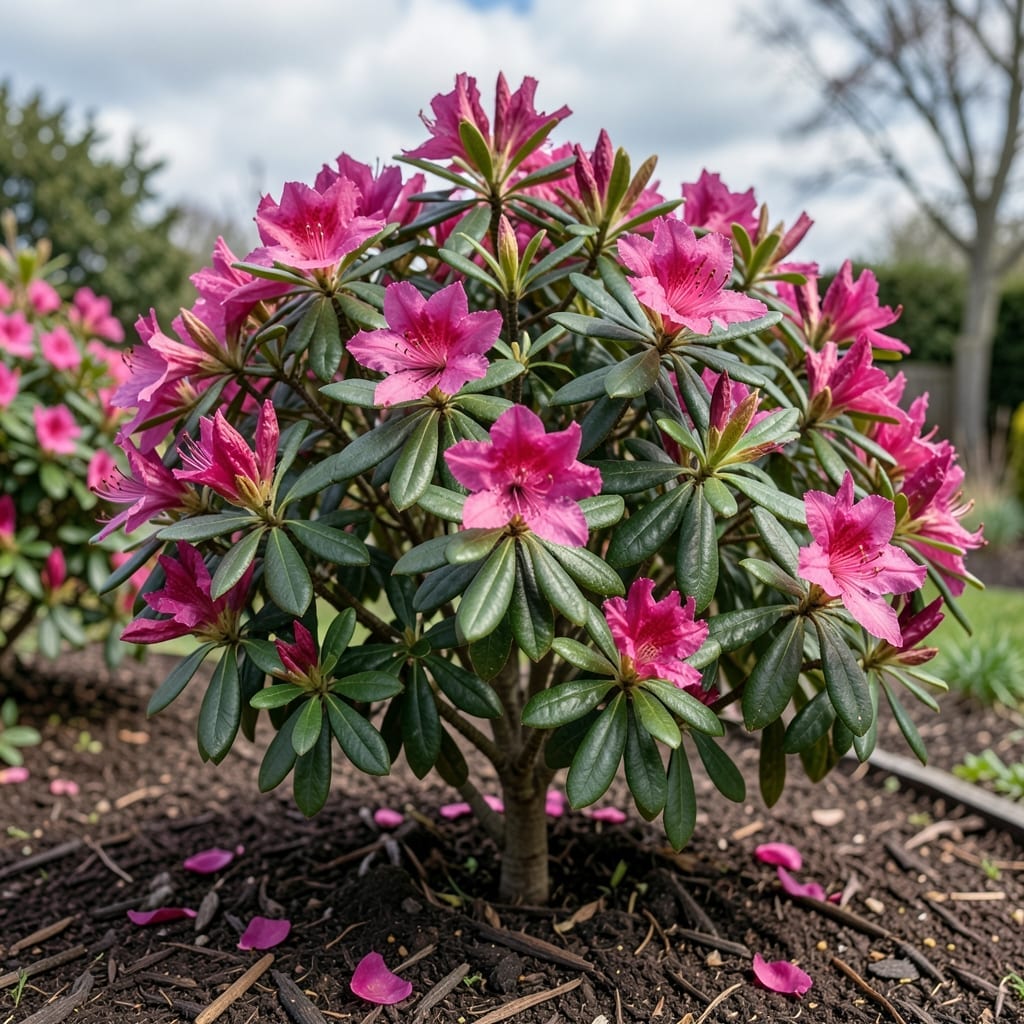
Azaleas are beloved for their vibrant spring blooms, but their light requirements often confuse gardeners. Understanding whether the 🌸 Azalea thrives in shade can make or break your garden success.
I’ve seen too many gardeners struggle with wilting azaleas because they got the light conditions wrong. The truth is, these shrubs have specific needs that aren’t always obvious.
Discover the ideal balance of sunlight and shade that will keep your azaleas flourishing with lush, colorful blooms all season long.
 Best Window Placement
If you’ve ever wondered do azaleas like shade, the answer is a resounding yes—but with important nuances. These beautiful shrubs thrive best in partial shade, which means about 4-6 hours of gentle sunlight daily. 🌿
In my experience, azaleas perform poorly in full sun, especially in hotter climates. Their delicate leaves can scorch, and their vibrant blooms may fade quickly. The sweet spot is morning sun with afternoon shade, giving them enough light without the harsh midday heat.
| Light Condition | Ideal Hours | Best For |
|---|---|---|
| Partial Shade | 4-6 hours | Most varieties |
| Full Shade | 0-2 hours | Deep forest types |
| Morning Sun | 2-4 hours | Cool climates |
For gardeners in USDA zones 6-8, azaleas often flourish under dappled shade from taller trees. This mimics their natural habitat in forest understories, where they receive filtered light through the canopy above. ✂️
In cooler northern climates, azaleas can tolerate more sun, but I still recommend some afternoon protection. The key is observing your plants—if leaves appear bleached or crispy, they’re likely getting too much direct light.
Soil conditions also play a role in light tolerance. Azaleas in rich, acidic soil with good moisture retention can handle slightly more sun. But in poor or dry soil, they’ll need more shade to prevent stress. 🌱
Remember that seasonal changes affect light needs too. In spring, when azaleas bloom, they benefit from more light. But during the hottest summer months, extra shade becomes crucial to prevent wilting.
If you’re planting azaleas near buildings, choose an east-facing wall. This gives them gentle morning sun while protecting them from the intense western afternoon light that can be so damaging.
For container-grown azaleas, I recommend rotating pots to ensure all sides receive even light exposure. This prevents lopsided growth and encourages balanced, bushy development.
Finally, don’t forget that newly planted azaleas are more sensitive to light conditions. Give them extra shade during their first growing season to help them establish strong root systems.
Even with the best intentions, azaleas can struggle if their light conditions aren’t quite right. I’ve seen leaf scorch and poor flowering ruin many a gardeners’ azalea display. These are classic signs your plant might be getting too much sun. 🌿
Leggy growth or sparse foliage often means your azalea isn’t receiving enough light. The plant stretches toward any available light source, resulting in weak, thin stems with fewer leaves and blooms.
⚠️ Warning: Yellowing leaves or premature leaf drop can signal both too much sun or too much shade. Check your light conditions first before assuming other issues.
If your azalea’s blooms are smaller or less vibrant than usual, this often indicates insufficient light. Azaleas need adequate light to produce their famous colorful flowers, and shade that’s too deep can limit this.
Wilting in afternoon is a sure sign of heat stress from too much direct sun. While azaleas need some light, the intense afternoon rays can cause moisture loss and stress, especially in warmer climates. 🌱
For container-grown azaleas, watch for uneven growth. If one side looks fuller, it’s likely receiving more light. Rotate your pots regularly to ensure balanced exposure and prevent the plant from becoming lopsided.
Remember that seasonal changes affect light patterns. What was perfect shade in spring might become too much sun in summer. I recommend monitoring your azaleas throughout the year and adjusting as needed to maintain that ideal light balance.