
Beautiful Plants For Your Interior
Beautiful Plants For Your Interior
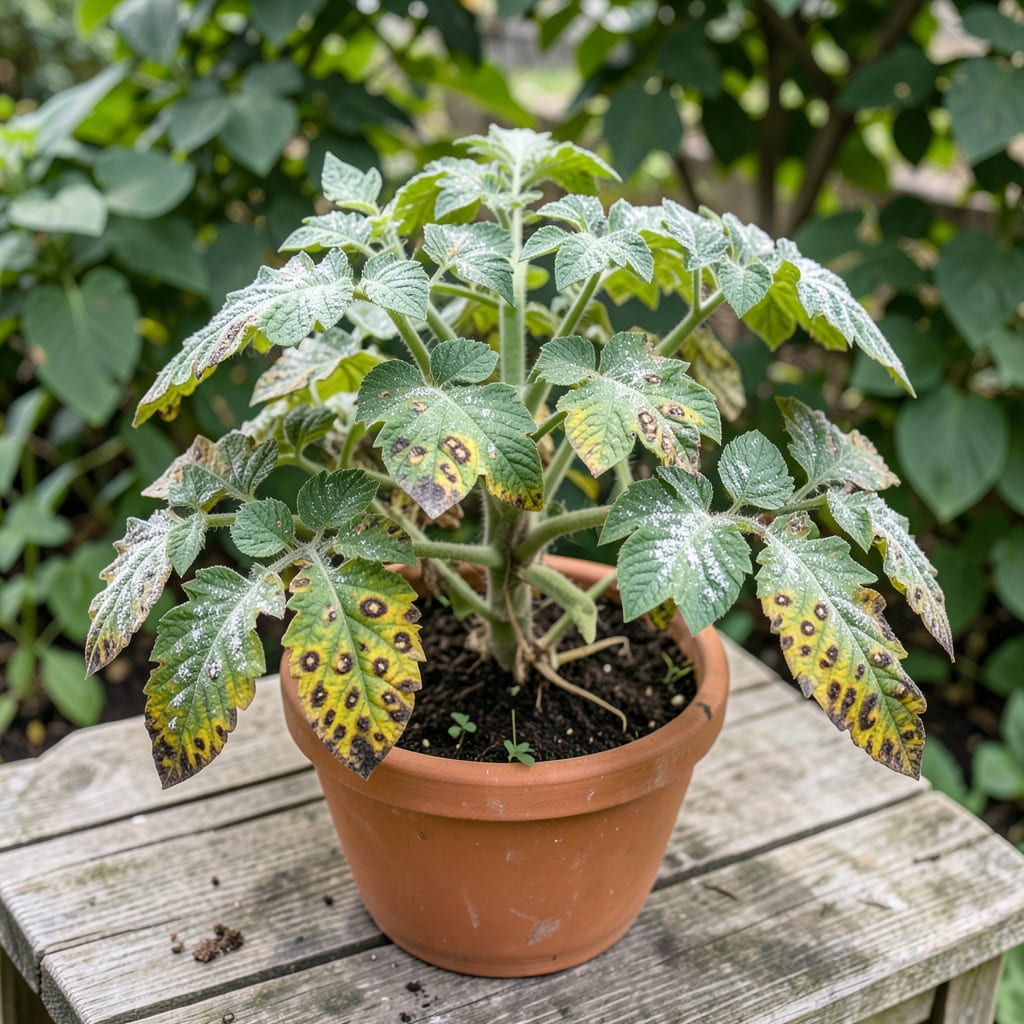
Yellow spots on your tomato leaves aren’t just unsightly—they’re a red flag. 🌿 I’ve lost entire crops to leaf diseases, and the pattern is always the same: ignore the early signs, and you’ll be pulling up dead plants in 2 weeks.
Most leaf problems start with excess moisture or poor air circulation. I fixed mine by spacing plants 18-24 inches apart and watering at the base. The difference was immediate—healthier foliage and better resistance to common diseases.
What you’re after is that deep green, robust leaf growth that can withstand a few blemishes. Early treatment with organic fungicides or pruning infected leaves can save your plants and your harvest.
Works for backyard gardens, container plants, and even greenhouse setups. Here’s how to spot trouble before it spreads.
Tomato plant leaves are vulnerable to a range of diseases, often triggered by environmental, biological, or cultural factors. Understanding the why behind these issues is the first step to effective prevention and treatment.
Fungal diseases like early blight (Alternaria solani) and late blight (Phytophthora infestans) thrive in warm, humid conditions. Spores spread via wind, water, or infected soil, germinating on wet leaf surfaces. Poor air circulation and overhead watering exacerbate the problem.
Bacteria such as Pseudomonas syringae (bacterial speck) and Xanthomonas vesicatoria (bacterial spot) enter through stomata or wounds. These pathogens prosper in wet, cool environments and are often introduced via contaminated tools, seeds, or splashing water.
Insects like aphids, whiteflies, and thrips weaken plants by sucking sap, leaving leaves susceptible to secondary infections. Their honeydew residue also promotes sooty mold growth, further stressing the plant.
Extreme temperatures, drought, or excessive moisture stress tomato plants, compromising their immune response. Nutrient deficiencies (e.g., calcium, magnesium) can also manifest as leaf discoloration or necrosis, mimicking disease symptoms.
Overcrowding, lack of crop rotation, and improper sanitation (e.g., leaving infected debris in the garden) create ideal conditions for pathogens to persist and spread. Using unsterilized tools or planting in contaminated soil can reintroduce diseases season after season.
Tackling tomato leaf diseases starts with quick action and smart prevention. Below are targeted fixes for common issues, along with tips to keep your plants healthy long-term.
Spot brown spots with concentric rings? Prune infected leaves immediately and destroy them (don’t compost!). Apply a copper-based fungicide or a homemade mix of baking soda (1 tbsp), water (1 gallon), and a drop of dish soap. Prevent it: Space plants for airflow, water at the base, and rotate crops yearly.
Purple-brown lesions spreading quickly? Remove all infected foliage and fruit. Use chlorothalonil-based fungicide or neem oil as a natural alternative. Prevent it: Avoid overhead watering, keep foliage dry, and choose resistant varieties like ‘Mountain Merit.’
White powdery patches? Spray leaves with a 1:10 milk-to-water solution or sulfur-based fungicide. Improve air circulation by thinning plants. Prevent it: Water early in the day and avoid high-nitrogen fertilizers that encourage lush, susceptible growth.
Uniform yellowing often signals nutrient deficiency or overwatering. Test soil pH (aim for 6.0–6.8) and amend with compost or a balanced fertilizer. If roots are soggy, improve drainage. Prevent it: Use drip irrigation and mulch to maintain consistent moisture.
Holes or chewed edges? Handpick pests like aphids or hornworms, or spray with insecticidal soap. Introduce beneficial insects like ladybugs. Prevent it: Plant companion herbs (basil, marigolds) and inspect leaves weekly.
💡 Pro Tip: Always sanitize tools and stakes between uses to avoid spreading pathogens!
Disease-related yellowing often appears in patches or with spots, while natural aging starts with lower leaves turning uniformly yellow. Check for additional signs like spots or wilting to confirm.
Remove infected leaves immediately and apply a copper fungicide or neem oil. Avoid overhead watering to reduce moisture on foliage.
Yes! A baking soda spray (1 tbsp per gallon of water) or a milk-water solution can combat fungal issues like powdery mildew. Reapply after rain.
Early intervention often saves plants, but severe cases may require removal. Focus on improving conditions like airflow and drainage to prevent recurrence.
