
Beautiful Plants For Your Interior
Beautiful Plants For Your Interior
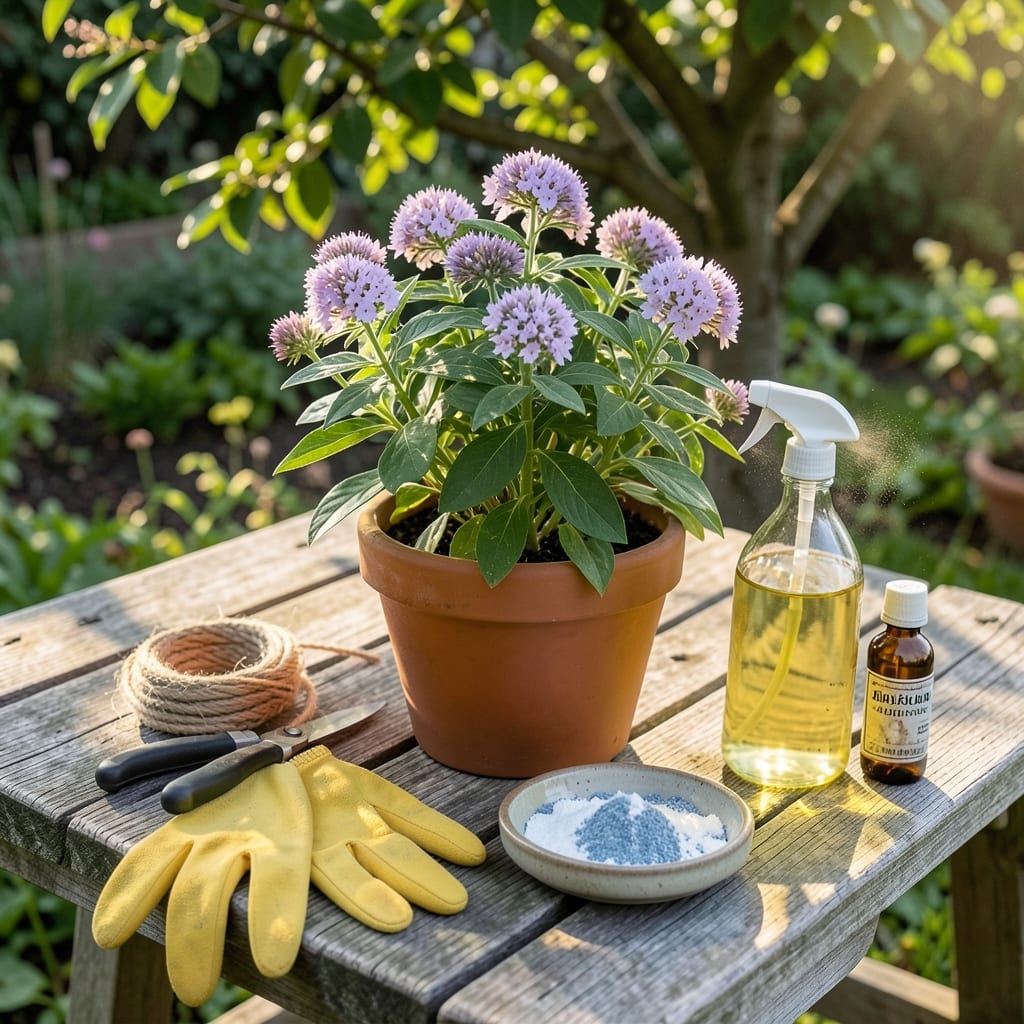
Phlox plants bring color to any garden, but they can fall victim to diseases that leave them looking sad. I’ve seen my share of powdery mildew and leaf spots over the years.
With the right knowledge, you can spot early signs and treat them effectively. Keeping your plants healthy is the best way to prevent future issues from popping up.
Nothing exotic here. Basic supplies to keep phlox healthy and thriving.
| Ingredient | Amount | Notes |
|---|---|---|
| Neem Oil 💧 | 1 piece | Cold-pressed for best results |
| Copper Fungicide 🌡️ | 1 piece | Prevents fungal spread |
| Pruning Shears ✂️ | 1 piece | Sterilize between cuts |
| Garden Gloves 🪴 | 1 piece | Protect hands from chemicals |
| Spray Bottle 💦 | 1 piece | For targeted treatment |
| Baking Soda 🌾 | 1 lb | DIY fungicide base |
| Water 💧 | 1 gallon | For diluting treatments |
| Mulch 🪵 | 2 bags | Organic to suppress disease |
| Compost 🌱 | 1 bag | Boosts plant immunity |
[recipeingredientscaler]
Neem oil and copper fungicide are your best bets for powdery mildew. I grab mine from local garden centers—brands like Bonide or Dyna-Gro work well. Look for cold-pressed neem oil (the good stuff, not the cheap diluted versions) for maximum effectiveness.
No copper fungicide? A baking soda mix (1 tbsp per gallon of water) can work in a pinch. Pruning shears should be sterilized with rubbing alcohol between cuts to avoid spreading disease. Skip synthetic mulches—organic mulch (or whatever compost you’ve got) helps prevent future issues.
Store neem oil and fungicides in a cool, dry place. They last 2-3 years unopened. I keep a small spray bottle pre-mixed for quick applications when I spot early signs of trouble.
Here’s the simple treatment plan I use to keep phlox healthy and disease-free all season.
Put on the garden gloves and use the pruning shears to cut away any leaves or stems showing spots, discoloration, or mold. Always sterilize the pruning shears between cuts with a quick wipe of rubbing alcohol to prevent spreading the disease.
Remove all fallen leaves and debris from around the base of the plants. Bag and discard this material—don’t compost it, as many phlox diseases can survive in compost and reinfect your garden.
Mix 1 tablespoon of baking soda and 1 teaspoon of neem oil in the spray bottle with 1 gallon of water. Shake well to combine. This creates a gentle but effective DIY fungicide that won’t harm your phlox.
Spray the solution on all leaf surfaces, including the undersides where fungal spores often hide. Apply early in the morning so leaves dry quickly in the sun. Repeat every 7-10 days or after rain for best results.
For advanced fungal infections, use the copper fungicide instead. Follow the package instructions to mix with water in the spray bottle. Copper fungicide creates a protective barrier that stops spores from germinating.
Apply to dry foliage and avoid spraying in extreme heat or direct sunlight to prevent leaf burn. Wear the garden gloves when handling copper fungicide, as it can irritate skin.
Spread the 2 bags of mulch around the base of phlox plants to prevent soil from splashing onto leaves during watering or rain, which spreads fungal spores. Keep mulch 2-3 inches away from stems to prevent rot.
Work the 1 bag of compost into the top inch of soil around your phlox. The added nutrients strengthen plants, making them more resistant to disease. Water at the base of plants in the morning to allow foliage to dry quickly.
Yellow leaves often signal overwatering or poor drainage, leading to root rot. Phlox plants thrive in well-draining soil, and soggy conditions can suffocate roots, causing discoloration and wilting.
Quick Fix: Reduce watering frequency and ensure pots or garden beds have proper drainage. Trim affected leaves to redirect energy to healthy growth.
This fungal disease appears as a white, powdery coating on leaves, often due to high humidity or poor air circulation. It weakens the plant by blocking sunlight and reducing photosynthesis.
Quick Fix: Space plants for better airflow, water at the base (not overhead), and apply fungicide or a baking soda solution (1 tsp baking soda + 1 quart water + a drop of dish soap).
Aphids, spider mites, or leafhoppers can stress phlox plants, causing stunted growth or curled leaves. These pests suck sap, weakening the plant and spreading diseases.
Quick Fix: Blast pests off with a strong water spray or use insecticidal soap. Introduce beneficial insects like ladybugs for natural control.
Slow or stunted growth may result from nutrient-deficient soil, inadequate sunlight, or compacted roots. Phlox needs 6+ hours of sunlight and nutrient-rich, loose soil to flourish.
Quick Fix: Test soil pH (aim for 6.0–7.0) and amend with compost. Ensure plants receive enough light and thin crowded stems to encourage healthy development.
