
Beautiful Plants For Your Interior
Beautiful Plants For Your Interior
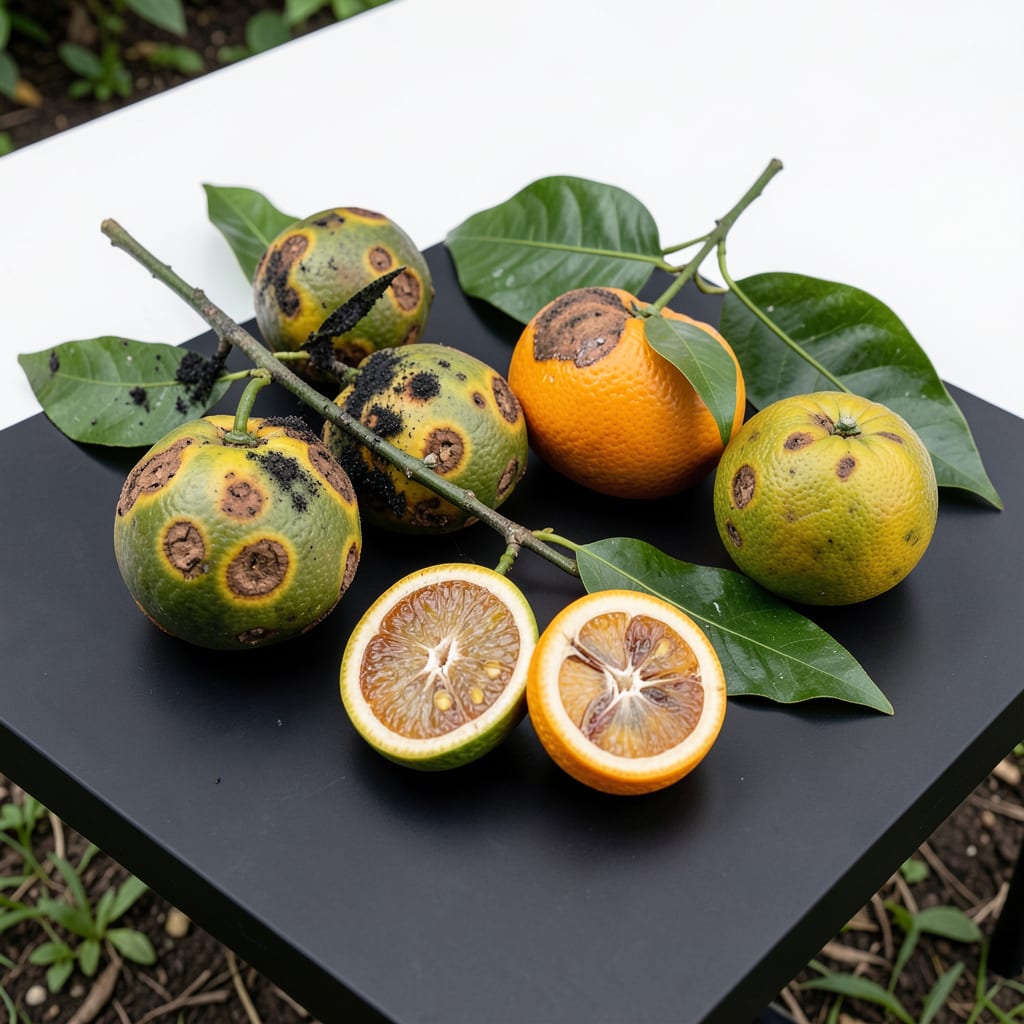
Yellowing leaves last spring nearly cost me my entire orange crop. Catching tree diseases early saves seasons of work and prevents spread to healthy plants.
I learned the hard way that visual symptoms tell you everything—dark spots, curling edges, or sticky residue each point to different problems. Some issues are fungal, others bacterial, but all leave distinct clues.
This guide helps you match what you see in your grove to the right diagnosis. You’ll spot trouble before it spreads and know exactly how to respond.
Works for backyard trees, commercial orchards, and everything in between. Early action means healthier trees and better harvests.
Understanding the root causes of orange tree diseases helps in prevention and early treatment. Below are the primary factors that lead to these issues, each with distinct triggers.
Fungi like Phytophthora and Alternaria thrive in warm, moist conditions. Overwatering or poor drainage creates ideal environments for spores to spread, leading to root rot, leaf spots, or fruit decay. Actionable tip: Improve air circulation and avoid overhead irrigation to reduce humidity around foliage.
Bacteria such as Xanthomonas citri (citrus canker) enter through wounds or stomata, causing lesions on leaves and fruit. These pathogens spread via contaminated tools, rain, or insects. Actionable tip: Sterilize pruning tools with rubbing alcohol and remove infected plant parts immediately to curb transmission.
Insects like aphids, scale, and citrus psyllids weaken trees by feeding on sap, while also transmitting viral diseases (e.g., citrus greening). Their honeydew secretions promote sooty mold growth. Actionable tip: Introduce beneficial insects (e.g., ladybugs) or apply neem oil to disrupt pest life cycles.
Extreme temperatures, drought, or nutrient deficiencies (e.g., lack of zinc or iron) stress trees, making them more susceptible to diseases. For example, frost damage can create entry points for pathogens. Actionable tip: Mulch to retain soil moisture and test soil pH (ideal: 6.0–7.0) to ensure optimal nutrient uptake.
Improper pruning, over-fertilization, or planting in compacted soil can compromise tree health. Overuse of nitrogen, for instance, promotes lush growth that’s more vulnerable to pests. Actionable tip: Follow a balanced fertilization schedule and prune during dry seasons to minimize disease risk.
Here’s a practical guide to tackling the most common diseases affecting orange trees, with actionable fixes and prevention tips.
Remove infected branches or leaves immediately using sterilized pruning shears to prevent spread. Apply a copper-based fungicide to the tree and surrounding soil. Prevention: Improve air circulation by thinning branches and avoid overhead watering. Water at the base in the morning so foliage dries quickly.
For aphids, scale, or mites, spray with neem oil or insecticidal soap, targeting the undersides of leaves. For severe cases, use horticultural oil or a systemic insecticide. Prevention: Introduce beneficial insects like ladybugs or lacewings. Keep the area around the tree free of debris where pests can hide.
If roots are waterlogged, improve drainage by amending soil with sand or organic matter. Trim black, mushy roots and treat with a fungicide. Prevention: Ensure the tree is planted in well-draining soil and avoid overwatering. Use a moisture meter to monitor soil conditions.
Yellowing leaves or stunted growth may indicate a lack of nitrogen, iron, or zinc. Conduct a soil test to identify deficiencies, then amend with the appropriate fertilizer (e.g., iron chelates for iron deficiency). Prevention: Fertilize regularly with a balanced citrus-specific formula and mulch with compost to maintain soil health.
For citrus canker or greasy spot, remove and destroy infected plant parts. Disinfect pruning tools with rubbing alcohol between cuts. Apply bacterial sprays like copper-based treatments. Prevention: Avoid overhead irrigation and space trees properly to reduce humidity. Use disease-resistant rootstock when planting new trees.
💡 Pro Tip: Always clean up fallen leaves and fruit to minimize disease spread. Regularly inspect your tree for early signs of trouble!
Yellow leaves often signal nutrient deficiencies or early fungal infections. Check for patterns—uniform yellowing suggests nitrogen lack, while spots or mottling may indicate disease. Test soil first to rule out simple fixes.
Improve air circulation by thinning branches and water at the base in the morning. Remove infected leaves immediately and apply copper fungicide as a protective measure. Avoid overhead watering.
Organic options are limited, but copper sprays and neem oil can help slow spread. The most effective organic method is removing infected parts and sterilizing tools with rubbing alcohol.
If symptoms persist after home treatment or spread rapidly, consult an arborist. Severe cases like citrus greening require expert intervention to save the tree and protect others.
