
Beautiful Plants For Your Interior
Beautiful Plants For Your Interior
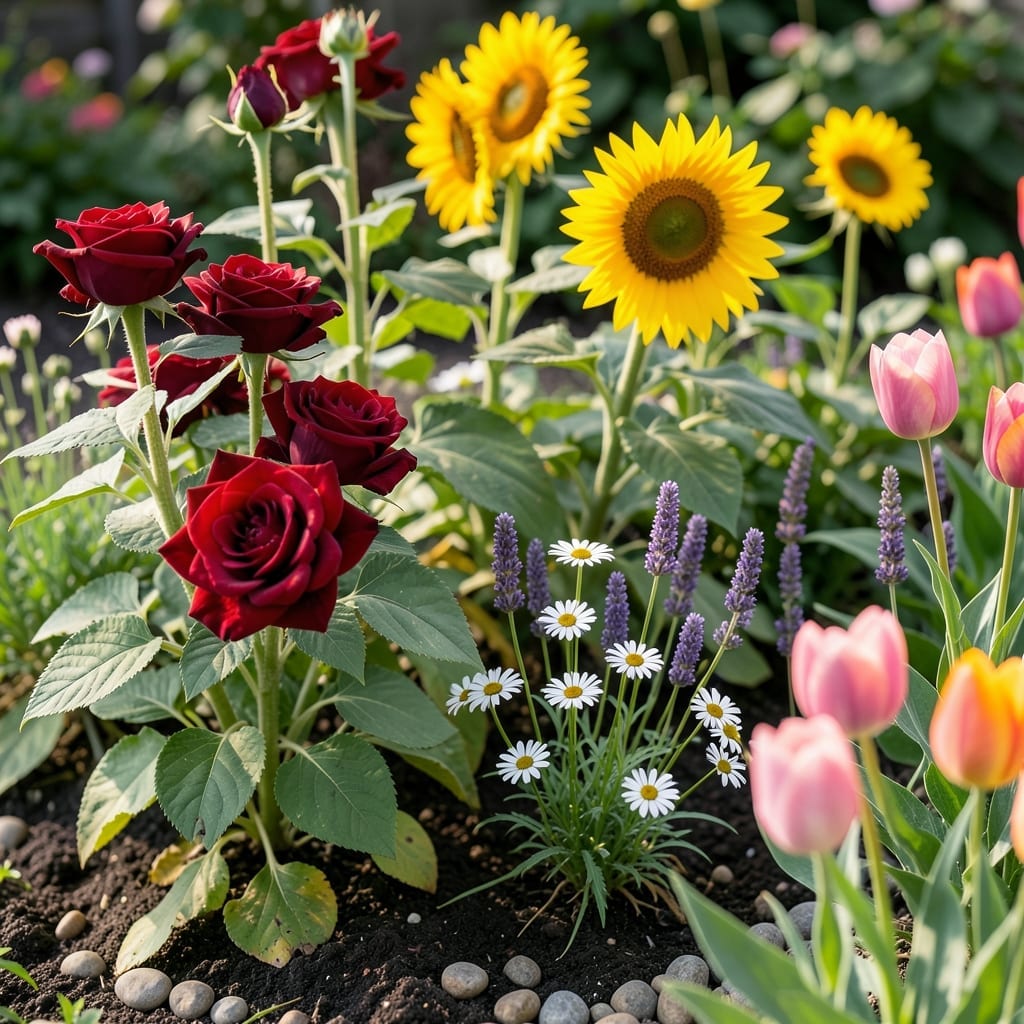
Picture walking through a garden bursting with color and life. From vibrant annuals to enduring perennials, there’s a perfect bloom for every space and style.
I’ve spent countless hours exploring the world of Flowers 🌸, and let me tell you, the variety is astonishing. Each type brings its own charm and growing needs to your outdoor sanctuary.
Discover how to match these beauties with your climate and soil. Whether you’re a seasoned green thumb or just starting out, this knowledge will transform your approach.
Let’s dive into the fascinating diversity that can make your garden truly exceptional. You’ll be amazed at what a little understanding can bloom into.
When planning your garden, I always recommend starting by understanding the lifespan differences between annual flowers and perennial flowers. This choice affects everything from your planting schedule to long-term garden design.
Annuals complete their life cycle in one growing season, offering instant color but requiring replanting each year. Perennials return year after year, often growing larger with each season.
| Flower Type | Lifespan | Planting Frequency | Best Uses |
|---|---|---|---|
| Annuals | One season | Yearly | Seasonal color, containers |
| Biennials | Two years | Every 2 years | Filler plants, borders |
| Perennials | 3+ years | Once | Permanent beds, landscapes |
I find annual flowers like petunias and marigolds perfect for adding quick bursts of color to empty spaces. They’re ideal when I want to experiment with designs each year. 🌻
For low-maintenance gardens, I always include perennial flowers like daylilies and cone flowers. These come back bigger and stronger each season with minimal care.
I’ve noticed that biennial flowers like foxgloves offer a middle ground. They form leaves the first year and bloom spectacularly the second before dying. ✂️
When designing my garden, I use annuals for immediate impact in containers and window boxes. Their continuous blooming keeps my garden vibrant all summer long.
For the backbone of my garden, I rely on perennials. Plants like black-eyed Susans and peonies provide reliable color year after year with little maintenance. 🌿
I always remind fellow gardeners that annuals need more attention – regular watering and fertilizing to keep them blooming. But their versatility makes them worth the effort.
With perennials, I focus on proper initial planting and occasional dividing. This ensures they thrive for years with just basic care like mulching and pruning.
Choosing the right flowers for your garden means matching them to the season and growing conditions. Each type thrives under specific sunlight, soil, and climate needs.
For example, spring bloomers like tulips and daffodils prefer cooler temps, while summer flowers such as sunflowers love full sun and heat.
| Season | Popular Flower Types | Growing Conditions |
| Spring | Tulips, Daffodils | Cool temps, well-drained soil |
| Summer | Sunflowers, Zinnias | Full sun, heat-tolerant |
| Fall | Chrysanthemums, Asters | Moderate sun, moist soil |
| Winter | Pansies, Hellebores | Shade, cold-hardy |
To maximize blooms year-round, I recommend layering plants with staggered bloom times. This ensures continuous color and visual interest in your garden.
Don’t forget to consider your local climate and soil type. For instance, succulents thrive in dry, sandy soil, while hydrangeas need acidic, moist conditions.
I always test my soil pH before planting. A simple test kit can reveal if your soil needs amendments for optimal flower growth.
Finally, watering needs vary by season. In summer, I water deeply 2-3 times a week, but in spring, once a week is often enough. 🌿