
Beautiful Plants For Your Interior
Beautiful Plants For Your Interior
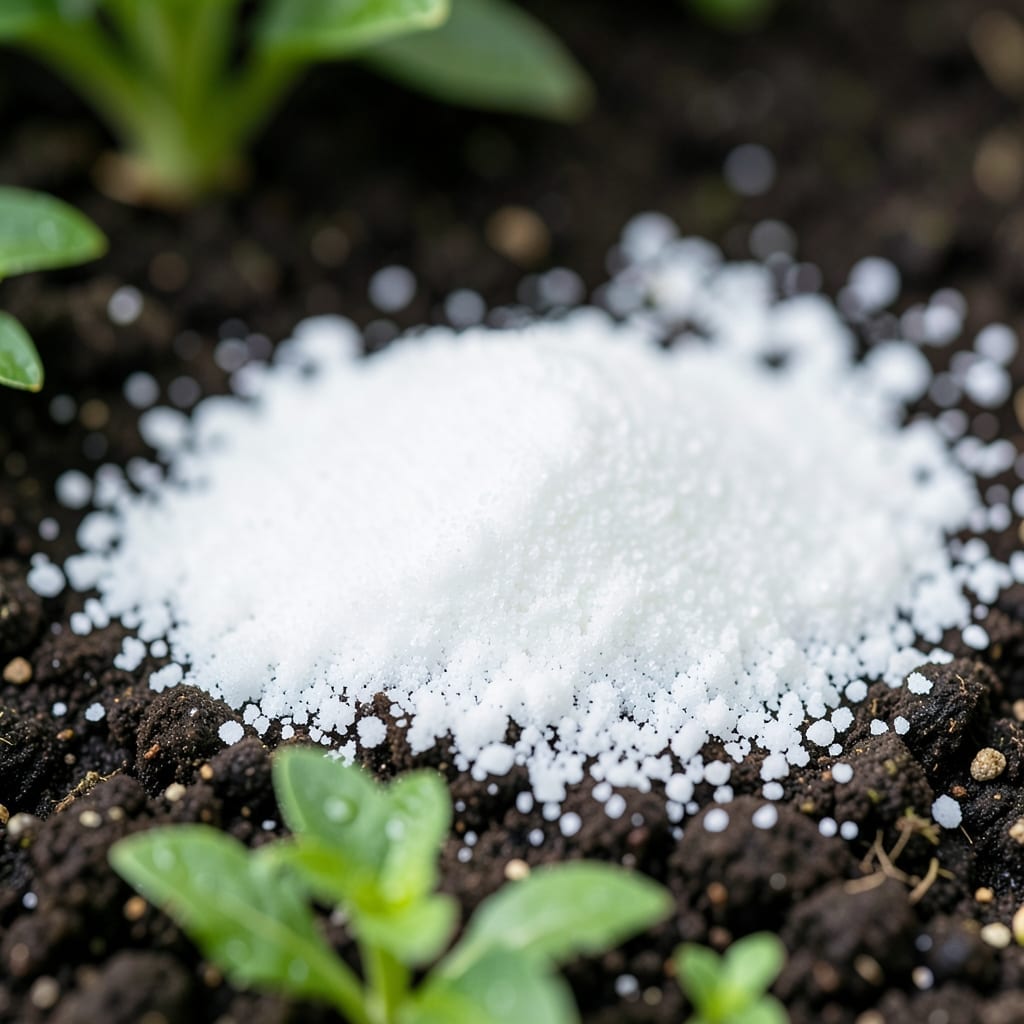
Root maggots turned my radish patch into a wasteland last spring. Diatomaceous earth was the game-changer that saved my next planting.
This fine powder works like microscopic glass, dehydrating soft-bodied pests without chemicals. I dust it around plant bases and mix it into the top inch of soil where maggots thrive. It’s organic, safe for plants, and starts working immediately.
You’ll notice fewer wilting seedlings within 48 hours as the larvae dry out. The soil stays healthy, and beneficial insects remain unharmed. No harsh chemicals, just natural protection.
Works for carrots, onions, and any root crop under attack. Here’s how to apply it right.
Root maggots, the larvae of various fly species like Delia radicum (cabbage maggot) or Hylemya spp., thrive in specific conditions that make your garden a breeding ground. Understanding these causes helps you target the problem effectively.
Root maggots are drawn to damp, waterlogged soil where organic matter decomposes slowly. Excess moisture creates the perfect environment for adult flies to lay eggs near plant roots. Poor drainage or overwatering exacerbates this, giving maggots the hydration they need to survive and feed on root systems.
Unfinished compost, rotting plant debris, or unincorporated green manure attract egg-laying flies. These materials emit odors that signal a food source for emerging larvae. Gardens with thick mulch layers or uncleared crop residues are particularly vulnerable.
Moderate temperatures (60–75°F) and loose, aerated soil encourage fly activity. Compacted soil may deter egg-laying, but well-tilled beds provide easy access for flies to deposit eggs near roots. Early spring and fall, when soils are warm but not scorching, are peak times for infestations.
Plants under stress—whether from poor nutrition, overcrowding, or disease—emit chemical signals that attract pests. Root maggots target weakened roots, which are easier to penetrate. Ensuring plant health through proper spacing, fertilization, and irrigation can reduce susceptibility.
Root maggots can wreak havoc on your plants, but diatomaceous earth (DE) offers a natural, effective solution. Below are practical fixes for infestations, along with prevention tips to keep your soil healthy.
💡 Pro Tip: For best results, apply DE in the early morning or late evening when the soil is dry. This maximizes its abrasive effect on maggots while minimizing harm to beneficial insects like bees.
Consistency is key—reapply every 1-2 weeks during peak fly season (spring and fall) to maintain protection.
Reapply every 1-2 weeks or after rain and watering. Moisture reduces its effectiveness, so dry conditions are key for best results.
Food-grade DE is safe for plants. It only affects soft-bodied pests like maggots. Avoid applying when bees are active to protect pollinators.
Sprinkle a thin layer around plant bases and lightly work it into the top inch of soil. Focus on the root zone where maggots feed.
No, mixing with water clumps the powder and ruins its effectiveness. Always apply DE dry for maximum pest control.