
Beautiful Plants For Your Interior
Beautiful Plants For Your Interior
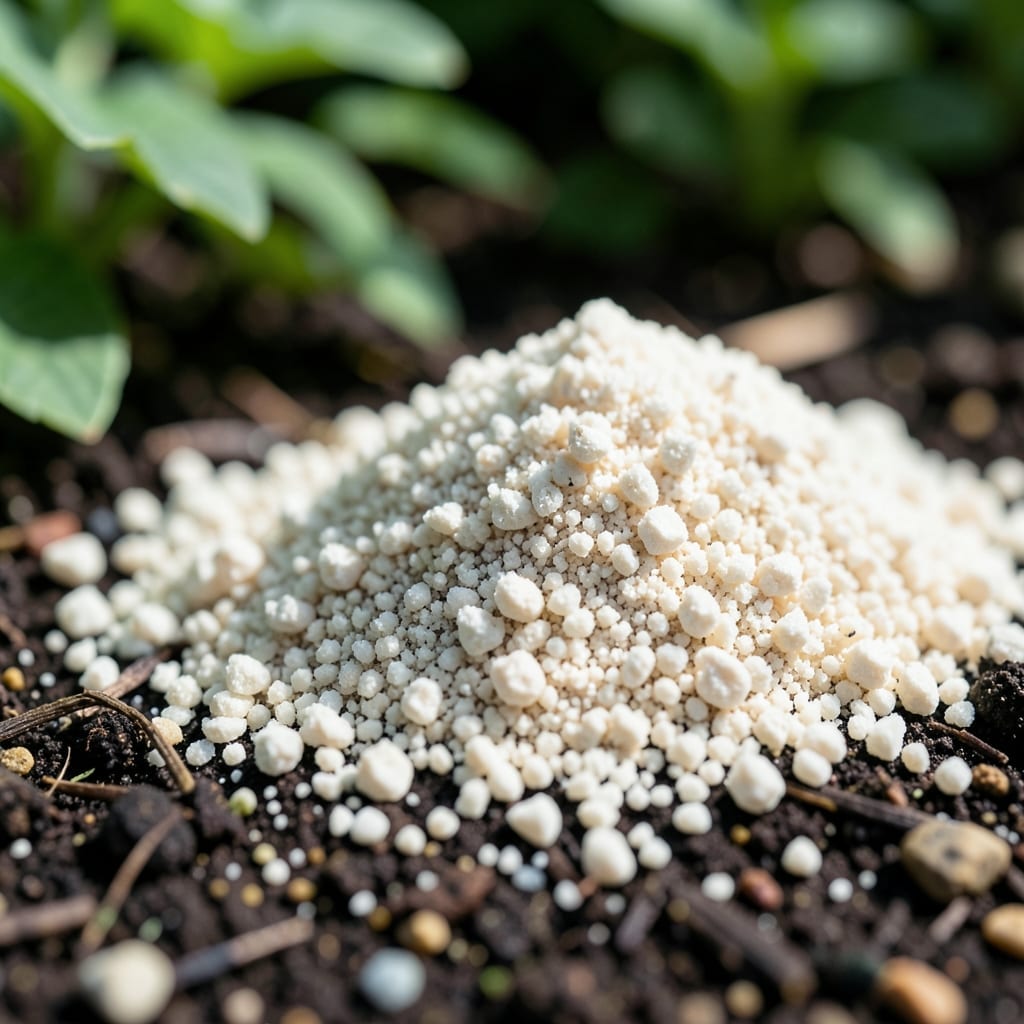
Jumping worms are turning my soil into a cast-iron nightmare. 🌱 The damage is real—loose, grainy soil that drains too fast and kills plants, all while these pests multiply like crazy.
Here’s the thing—diatomaceous earth works as a non-toxic solution. The fine powder dehydrates these invasive worms on contact, stopping their spread without chemicals that harm beneficial soil life.
I’ve tested this method in my own garden beds. Within 2-3 weeks, the worm population drops dramatically, and the soil begins to recover its structure and fertility.
Safe for plants, pets, and pollinators when applied correctly. This is how to reclaim your garden from the inside out.
Understanding why diatomaceous earth (DE) effectively targets jumping worms requires a closer look at its unique properties and the biology of these invasive pests. Here’s the science behind its efficacy:
Diatomaceous earth is composed of fossilized diatoms—microscopic algae with silica-based cell walls. When applied, the sharp, abrasive edges of these particles physically damage the waxy outer layer (cuticle) of jumping worms. This disruption leads to desiccation (dehydration) as moisture escapes their bodies, ultimately killing them. Unlike chemical pesticides, DE works purely through mechanical action, making it non-toxic to soil, plants, and beneficial organisms.
Jumping worms (Amynthas spp.) have soft, moist bodies ideal for burrowing but vulnerable to DE. Their high surface-area-to-volume ratio means even light dustings of DE can penetrate their cuticles during movement. As they wriggle through treated soil, the silica particles cling to their bodies, accelerating moisture loss. This method is particularly effective in humid environments, where worms are most active.
While DE is non-selective (affecting any soft-bodied invertebrates), its physical mode of action avoids chemical resistance. Beneficial organisms like earthworms or bacteria are less impacted because they either avoid surface contact or have thicker cuticles. For best results, reapply after rain or watering, as moisture reduces DE’s abrasive potency.
Jumping worms disrupt soil health, but diatomaceous earth (DE) offers a safe, chemical-free way to regain control. Below are targeted solutions for common causes, paired with prevention tips to keep your soil worm-free long-term.
Jumping worms thrive in damp conditions. Sprinkle food-grade diatomaceous earth evenly over affected soil (about 1–2 lbs per 100 sq ft). Lightly water afterward to help DE stick—its microscopic edges dehydrate worms on contact. Reapply after rain or heavy watering.
Prevention: Improve drainage with compost or sand, and avoid overwatering. 💡 Pro tip: Test soil moisture with your finger—if it’s soggy, hold off on watering.
Worms hide in decaying leaves and mulch. Rake up debris, then dust DE underneath before replacing mulch. For existing mulch layers, work DE into the top inch to create a barrier.
Prevention: Use cedar or pine bark mulch (less appealing to worms) and turn it occasionally to disrupt their habitat. ✨
Potted plants or garden beds with jumping worms? Remove the plant, shake off soil, and treat the area with DE. For potted plants, repot with fresh, DE-mixed soil.
Prevention: Inspect new plants for cocoons (tiny, mustard-seed-like pods) before introducing them to your garden. 🎯
After initial treatment, reapply DE every 2–4 weeks during warm, wet seasons. Focus on garden edges, compost piles, and shady spots where worms are likely to return.
Prevention: Encourage natural predators like birds and ground beetles by adding native plants and reducing pesticides. 🔥 Bonus: DE also deters slugs and snails!
Consistency is key—DE works best as part of an ongoing strategy, not a one-time fix. Stay vigilant, and your soil will thank you!
Use 1–2 lbs per 100 sq ft for effective coverage. Lightly water afterward to help it adhere to the soil surface.
It’s less harmful to them since they have thicker cuticles. Still, use it only where jumping worms are active to minimize impact.
Reapply every 2–4 weeks or after heavy rain, as moisture reduces its effectiveness. Consistency is key for long-term control.
Yes, always use food-grade diatomaceous earth. Pool-grade contains harmful additives and should never be used in gardens.