
Beautiful Plants For Your Interior
Beautiful Plants For Your Interior
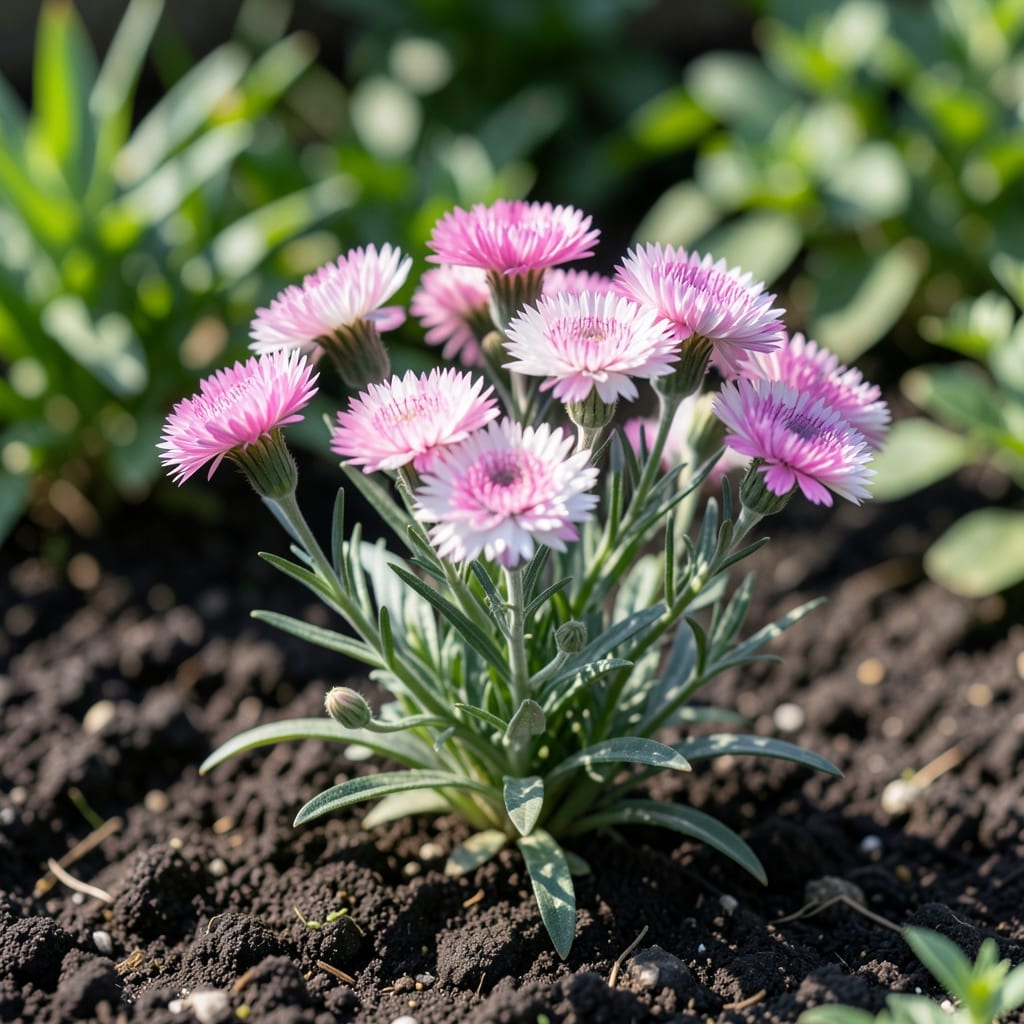
There’s nothing quite like the vibrant blooms of Dianthus 🌸 to brighten up a garden, but not all varieties handle temperature swings the same way. Some thrive in the chill, while others wilt at the first sign of heat.
I’ve seen gardeners struggle when their Dianthus doesn’t perform as expected, and it usually comes down to temperature. The good news? With the right knowledge, you can keep these beauties flourishing through the seasons.
Understanding their tolerance levels is the key to unlocking year-round color. Whether you’re in USDA zones 4-9 or dealing with unpredictable weather, there’s a Dianthus for you.
Let me walk you through what works, what doesn’t, and how to give your plants the best shot at thriving, no matter what Mother Nature throws your way.
If you want year-round color in your garden, choosing cold-hardy dianthus is key. These resilient flowers can handle chilly temperatures and even light frosts, making them perfect for cooler climates. I’ve found that some varieties thrive in USDA zones 4-9, but their exact tolerance varies.
Let’s start with Alpine Dianthus, which can survive down to -20°F (-29°C). This variety is a favorite for rock gardens and alpine settings where temperatures drop significantly. It’s a hardy choice for gardeners in colder regions.☀️
Cheddar Pink Dianthus is another excellent choice, tolerating temperatures as low as 20°F (-7°C). It’s perfect for USDA zones 5-9 and blooms beautifully in spring and early summer. I’ve seen it bounce back quickly after a light frost.
For gardeners in milder climates, Sweet William is a fantastic option. It handles 30°F (-1°C) and thrives in zones 6-9. This variety loves the cooler temperatures of spring and fall, making it a versatile addition.
China Pink Dianthus prefers warmer conditions, with a tolerance range of 40°F to 90°F (4°C to 32°C). It’s ideal for zones 7-10 and can handle the heat of summer better than other types. In my garden, it’s a go-to for hotter months.
When selecting dianthus for your garden, always consider your local climate and USDA zone. Matching the variety to your region’s temperature extremes ensures the best performance. For example, Alpine Dianthus won’t do well in scorching summers.
I recommend planting cold-hardy varieties in well-draining soil to prevent root rot during thaw periods. Adding a layer of mulch can also help insulate the roots from sudden temperature drops. This simple step makes a big difference.
Another tip: if you live in an area with harsh winters, consider planting dianthus in containers. This allows you to move them indoors or to a sheltered spot when temperatures plummet. It’s a great way to protect your investment.
Finally, remember that consistent moisture is crucial for dianthus, especially during temperature fluctuations. Keep the soil evenly moist but not waterlogged. With the right care, these flowers will reward you with vibrant blooms year after year.🌷
I’ve found that dianthus plants thrive with a little extra care when temperatures swing to extremes. Whether it’s a sudden frost or a heatwave, these beauties need protection to keep blooming.
Mulching is my go-to for cold snaps. A 2-3 inch layer of organic mulch insulates roots and retains moisture. It’s a simple step that makes a huge difference.
For heat protection, I water my dianthus early in the morning. This helps the plants absorb moisture before the hottest part of the day hits, reducing stress.
A shade cloth can be a lifesaver during intense summer heat. I drape it over my dianthus beds to filter out 30-50% of sunlight, preventing wilting and scorching.
When frost is forecasted, I cover my dianthus with frost blankets or old bedsheets. This traps heat from the soil and shields the plants from freezing temperatures.
Lastly, I always avoid overhead watering when temperatures drop. Wet foliage can freeze, damaging the plant. Instead, I water at the base to keep roots hydrated without risk.
☀️