
Beautiful Plants For Your Interior
Beautiful Plants For Your Interior
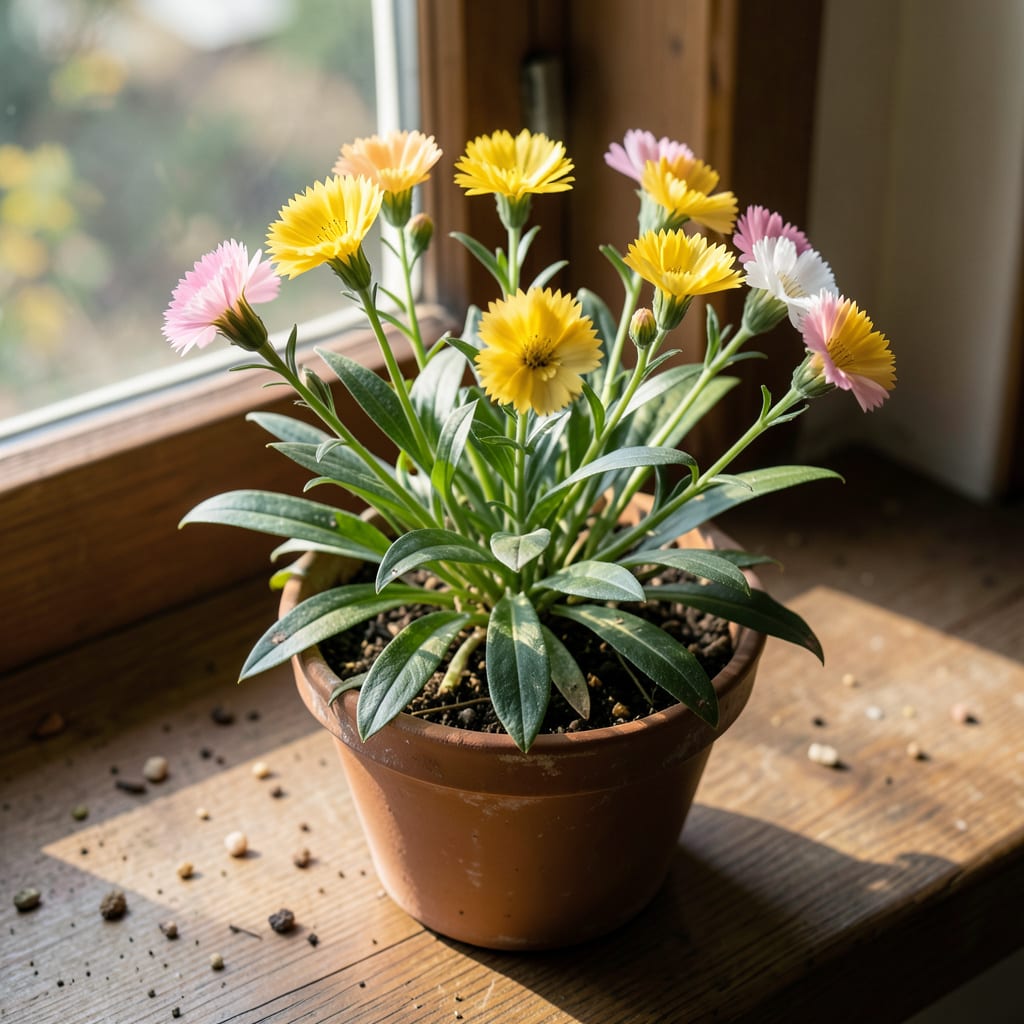
Yellow leaves on your dianthus aren’t a death sentence. I’ve saved more plants than I’ve lost by catching this early and fixing the root cause.
The usual suspects are too much water, not enough nutrients, or soil that’s too dense. Each leaves a different clue—soggy stems, pale veins, or stunted growth—so you can diagnose fast.
Once you adjust watering, amend the soil, or add the right fertilizer, new growth returns in 2-3 weeks. The recovery is surprisingly quick with the right approach.
Prevention is simpler than cure: well-draining soil, consistent moisture, and a light feed every month keeps them thriving.
Dianthus leaves turn yellow due to several underlying issues, often tied to environmental stress or care mistakes. Below are the most common causes, explained with actionable insights.
Excess moisture suffocates the roots, preventing oxygen uptake and leading to root rot. Dianthus thrives in well-draining soil, and soggy conditions trigger chlorophyll breakdown, causing yellowing. Fix: Reduce watering frequency and ensure pots have drainage holes.
A lack of nitrogen (old leaves yellow first) or magnesium (interveinal yellowing) is a prime culprit. Dianthus in poor soil may also show iron deficiency, leading to chlorosis. Fix: Use a balanced fertilizer (10-10-10) or amend soil with compost.
Too much direct sun can scorch leaves, while too little stunts photosynthesis. Dianthus prefers 6+ hours of sunlight daily. Yellowing from sunburn appears as bleached patches, while shade-induced yellowing is uniform. Fix: Adjust placement for partial sun.
Sap-sucking pests like aphids or spider mites drain nutrients, causing yellow stippling or mottling. Check leaf undersides for webbing or sticky residue. Fix: Spray with neem oil or insecticidal soap.
Pathogens like Fusarium or Alternaria thrive in humid conditions, leading to yellow patches with brown edges. Fix: Improve airflow, avoid overhead watering, and apply a copper-based fungicide.
Here’s how to tackle the most common causes of yellowing dianthus leaves, with simple fixes and prevention tips to keep your plants thriving.
Fix: Let the soil dry out slightly between waterings. If the pot lacks drainage holes, repot your dianthus into a container with proper drainage. For garden beds, amend heavy or clay soil with compost to improve drainage.
Prevention: Water only when the top inch of soil feels dry. Use a well-draining potting mix and avoid saucers that trap excess water. 💡 Pro tip: Stick your finger in the soil—if it feels soggy, hold off on watering.
Fix: Apply a balanced, water-soluble fertilizer (10-10-10 or 20-20-20) every 4-6 weeks during the growing season. For iron or magnesium deficiencies (yellowing between veins), use a chelated iron supplement or Epsom salt spray (1 tablespoon per gallon of water).
Prevention: Test your soil annually and enrich it with organic matter like compost before planting. Avoid over-fertilizing, as this can burn roots and worsen stress.
Fix: Move potted dianthus to a spot with 6-8 hours of sunlight daily. If leaves scorch (brown edges), provide afternoon shade. For leggy, pale plants, gradually increase light exposure to avoid shocking them.
Prevention: Plant dianthus in a location with bright, indirect light or partial sun. Monitor leaves for signs of stress and adjust accordingly.
Fix: Spray leaves with a mild insecticidal soap or neem oil to combat aphids, spider mites, or thrips. Remove heavily infested leaves and isolate the plant to prevent spreading.
Prevention: Inspect plants regularly for pests, especially on the undersides of leaves. Encourage beneficial insects like ladybugs by planting companion flowers nearby.
Fix: Remove yellow or spotted leaves immediately and avoid overhead watering. Treat with a copper-based fungicide or bacterial spray, following label instructions.
Prevention: Space plants for good air circulation, water at the base, and clean up fallen debris. Rotate crops if planting dianthus in the same spot yearly.
Water when the top 1 inch of soil feels dry, typically every 5-7 days in moderate weather. Always check soil moisture first to avoid overwatering.
A balanced 10-10-10 or 20-20-20 fertilizer works well. For iron deficiency, use chelated iron or Epsom salt spray weekly.
Yes! With proper care, new green growth appears in 2-3 weeks. Remove severely damaged leaves to redirect energy to healthy foliage.
Transplant shock is common. Ensure good drainage and avoid fertilizing for 1-2 weeks to let roots adjust.
