
Beautiful Plants For Your Interior
Beautiful Plants For Your Interior
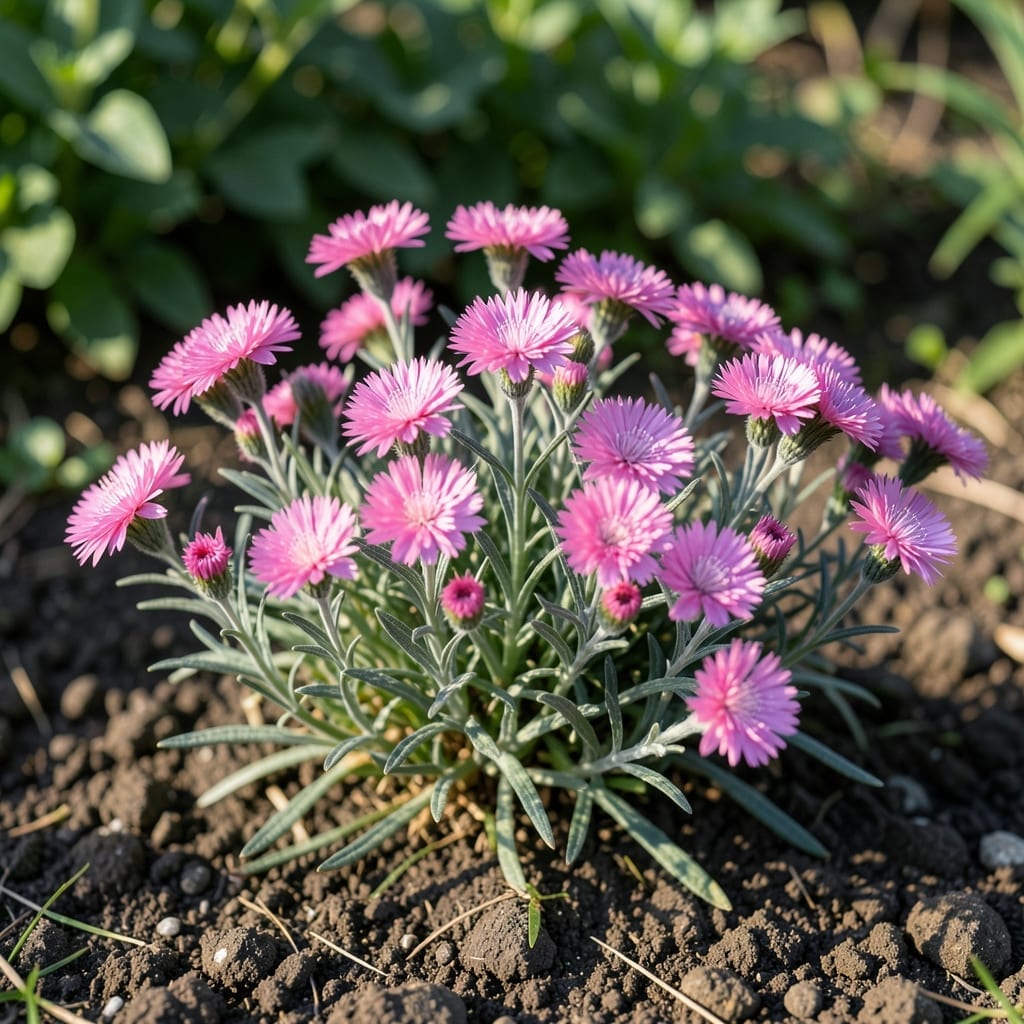
There’s nothing quite like watching Dianthus 🌸 burst into color, their frilly petals adding charm to any garden. But timing is everything when it comes to their vibrant display.
I’ve learned that understanding their flowering season can make all the difference in keeping your garden lively. Whether you’re a seasoned gardener or just starting out, knowing when to expect blooms is the key.
From spring to fall, these hardy flowers can light up your space, but their peak depends on variety and care. I’ll show you how to get the most out of their blooming potential.
Discover the secrets to extending their season and keeping your garden in full color longer than you thought possible.
I love how dianthus brings color to the garden with its frilly blooms and spicy fragrance. Timing is everything with these plants. Most varieties start flowering in early spring, but some can bloom again in late summer or fall if conditions are right.
For annual dianthus, you’ll typically see blooms from spring to summer. Biennial types often flower in their second year, usually in spring or early summer. The real stars are the perennial dianthus, which can bloom in spring and then again in fall if properly cared for.
| Variety | Flowering Season | Key Notes |
|---|---|---|
| Annual Dianthus | Spring to Summer | Single season blooms |
| Biennial Dianthus | Spring of 2nd Year | Blooms once, then dies |
| Perennial Dianthus | Spring & Fall | Reblooms with care |
In cooler climates (USDA zones 4-6), perennial dianthus often blooms in late spring and may produce a second flush in early fall. Warmer zones (7-9) might see earlier blooms in spring and a longer fall flowering period.
I’ve noticed that soil temperature plays a big role too. Cool spring temps (around 60°F) trigger the first wave of blooms. If you’re in a mild winter area, you might even get winter blooms from some hardy varieties.
For extended blooming, I recommend planting in full sun (6+ hours) and well-draining soil. This encourages stronger stems and more flowers. Also, deadheading spent blooms can stimulate new flower production.
One of my favorite perennial dianthus is the ‘Bath’s Pink’ variety. It starts blooming in late spring and, with proper care, can produce fall flowers too. The ‘Carnation’ types often bloom in summer and are great for cutting.
If you’re in a hot summer region, some dianthus may pause blooming during the hottest months. Don’t worry—this is normal. They’ll often rebloom once temperatures cool down in early fall.
Pro tip: To get the most from your dianthus, plant in groups and mix varieties. This way, you’ll have continuous color from spring to fall. I also suggest mulching to maintain soil moisture and temperature.
Remember, consistent watering (about 1 inch per week) and balanced fertilizer every 4-6 weeks will keep your dianthus thriving and blooming longer 🌷
I love how dianthus blooms can brighten a garden, but their natural season can be short. With a few care adjustments, you can coax these beauties into producing more flowers for weeks longer than usual.
First, focus on deadheading spent blooms regularly. This simple step prevents the plant from wasting energy on seed production and encourages new flowers to form instead.
In hotter USDA zones 7-9, afternoon shade helps prevent heat stress that can shorten the flowering period. I’ve seen dianthus thrive with just a little protection from intense midday sun.
For perennial dianthus, a light trim after the first flush of blooms can promote a second wave. Use clean shears to cut back about one-third of the plant for best results.
Remember, consistent watering is key—keep soil moist but not soggy. I find that morning watering works best to prevent disease and support vibrant blooms.
Finally, don’t forget to feed your dianthus with a balanced fertilizer. A 10-10-10 formula applied every few weeks keeps them healthy and flowering longer. ☀️