
Beautiful Plants For Your Interior
Beautiful Plants For Your Interior
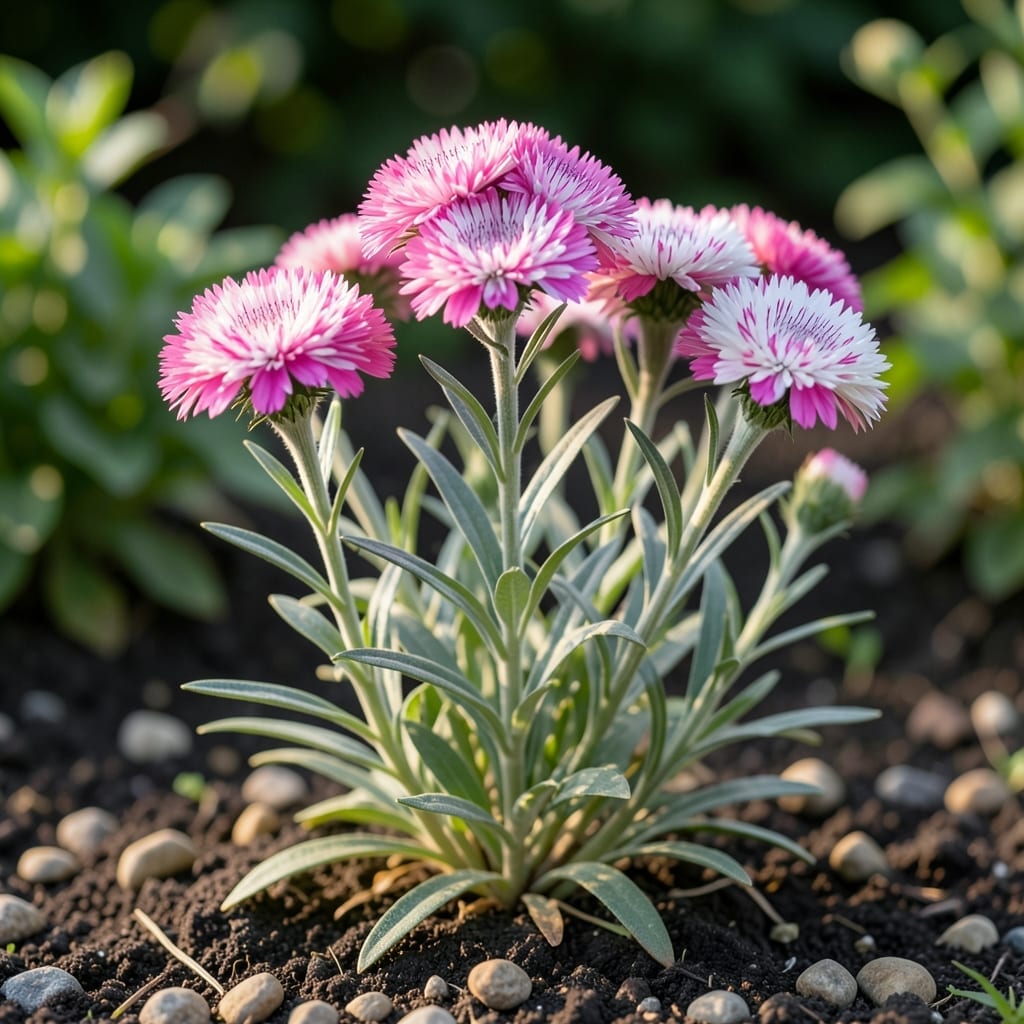
There’s nothing quite like seeing Dianthus 🌸 burst into color, but timing is everything to catch its full glory. I remember planting my first batch and waiting impatiently for those frilly blooms to appear.
If you’ve ever wondered why your neighbor’s garden is awash with Dianthus flowers while yours stays bare, the answer often lies in understanding its natural rhythm. These beauties follow a predictable pattern that you can work with.
From the first signs of spring to those warm summer days, Dianthus has a specific window when it shines brightest. Knowing this schedule can transform your gardening game completely.
Let me walk you through the key moments in the Dianthus bloom season and how to make the most of each stage. Your garden will thank you.
I love how dianthus flowers bring color and fragrance to gardens, but timing is everything. The bloom season varies by type—annual, biennial, or perennial—and climate plays a big role too. ☀️
Most perennial dianthus bloom in late spring to early summer, with some varieties offering a second flush in fall. Annual types often flower continuously from spring until frost, while biennials typically bloom in their second year. 🌱
| Variety | Bloom Season | Notes |
|---|---|---|
| Annual Dianthus | Spring to Frost | Continuous blooms with deadheading |
| Biennial Dianthus | Second Year Spring | Blooms once, then dies |
| Perennial Dianthus | Late Spring, Fall | Two bloom cycles per year |
In cooler climates like USDA Zone 6, perennial dianthus often starts blooming in May and can continue through June. Warmer regions may see earlier blooms, sometimes as early as March or April. 🌿
For annual dianthus, the show begins in early spring and keeps going until the first hard frost. These are perfect for gardeners who want non-stop color without much fuss. Just
If you’re growing biennial dianthus, patience is key. They focus on foliage growth in their first year, then reward you with stunning blooms the following spring. It’s like a gardening surprise!
Climate can shift these timelines. In mild winter areas, some perennial varieties might even produce winter blooms. Meanwhile, in hot summer regions, flowers may pause during peak heat and resume in fall.
I’ve found that planting time matters too. For spring blooms, set out perennial dianthus in early fall or early spring. Annuals do best when planted after the last frost date.
Don’t forget that soil conditions and sunlight exposure can influence bloom times. Full sun (6+ hours) and well-draining soil help maximize flowering potential. ✂️
Whether you’re growing pink, red, white, or bi-color dianthus, understanding these patterns helps you plan. I always mark my calendar for May and September—those are my prime dianthus months here in Zone 6.
I love how dianthus can keep flowering with just a little extra care. The key is understanding its natural bloom cycle and giving it the right conditions to thrive beyond its typical window.
Most dianthus varieties bloom in spring to early summer, but with proper techniques, you can coax a second flush of flowers later in the season.
I’ve found that deadheading is the most effective way to prolong blooming. Simply pinch off faded flowers just above a leaf node to stimulate new growth.
For perennial dianthus, a light trim after the first bloom can encourage a second wave of flowers in late summer or early fall.
Watering deeply once a week is better than frequent shallow watering. This helps the root system grow strong and resilient.
If your dianthus isn’t blooming as expected, check for poor drainage or insufficient sunlight. These are common culprits that can shorten the bloom season significantly. ☀️