
Beautiful Plants For Your Interior
Beautiful Plants For Your Interior
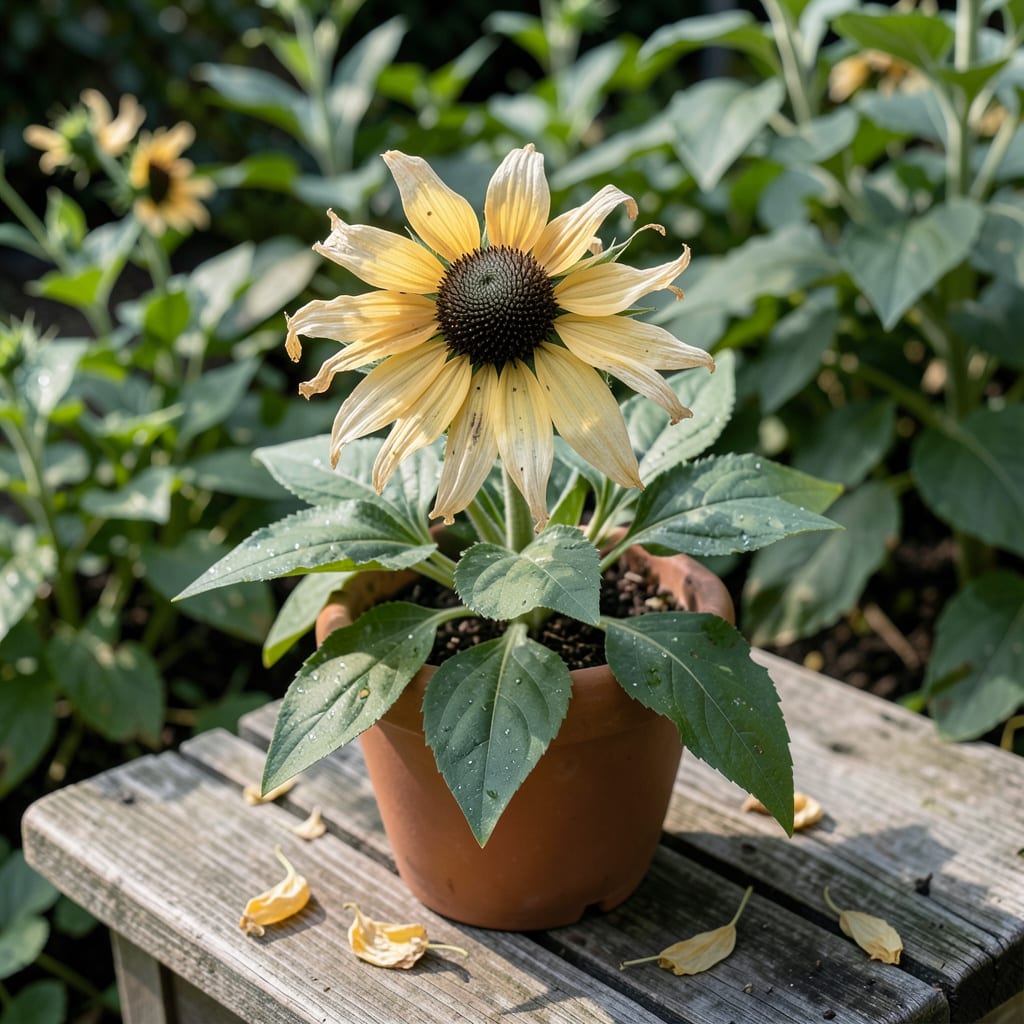
I used to watch my Black-Eyed Susans fade after just 2 weeks of blooms. Then I learned this simple trick—removing spent flowers—to keep them producing fresh blossoms all season long.
It takes 30 seconds per plant and transforms straggly stems into a vibrant display. The technique works because it stops the plant from wasting energy on seed production, redirecting that power into new growth instead.
📚 In This Guide
Here’s the method I use to keep these vibrant perennials blooming all season long.
Look for flowers that have begun to fade and wilt, with petals that have lost their vibrant color and started to drop. The center cone will also turn from a deep brown to a lighter, more faded shade. I always check the plant in the morning when the blooms are most visible and the stems are turgid.
You’ll notice that the spent blooms often have a slightly different texture, feeling papery or dry to the touch. This is your signal that the flower has finished its bloom cycle and is ready for removal. Don’t wait until the entire flower head turns brown, as this can lead to seed formation and reduce future blooming.
Trace the stem down from the spent bloom to the first set of leaves or lateral bud. This is where you’ll make your cut. I’ve found that cutting just above a set of leaves or a lateral bud encourages the plant to produce new growth and more flowers.
Never cut into the main stem or remove more than one-third of the plant at a time. This can stress the black-eyed Susan and reduce its overall vigor. The ideal cutting point is typically 4-6 inches below the spent bloom, but this can vary depending on the size and health of the plant.
With a pair of sharp, clean pruning shears or scissors, make a clean, diagonal cut at the identified point. A diagonal cut increases the surface area for water uptake and helps prevent disease. I always wipe my tools with a clean cloth between cuts to prevent the spread of any potential pathogens.
If you don’t have pruning shears, you can use your fingers to pinch off the spent blooms. However, this method is best for smaller stems and may not be as precise. Ensure that you remove the entire flower head, including the small stem that attaches it to the main plant.
After deadheading, remove all the spent blooms and stems from the garden bed. This helps keep the area tidy and prevents the buildup of plant debris, which can harbor pests and diseases. I like to collect the debris in a small bucket or bag for easy disposal.
Monitor your black-eyed Susans over the next few days. You should start to see new growth and buds forming within 1-2 weeks. This is a sign that your deadheading efforts are paying off and that the plant is redirecting its energy toward producing more blooms.
Deadheading is not a one-time task. To keep your black-eyed Susans blooming continuously throughout the growing season, you’ll need to repeat this process every 2-3 weeks or as soon as you notice spent blooms. Regular deadheading encourages the plant to produce more flowers and prevents it from going to seed.
As the season progresses, you may notice that the plant produces fewer blooms. This is normal and a sign that the plant is preparing for dormancy. However, with regular deadheading, you can extend the blooming season and enjoy the vibrant colors of your black-eyed Susans for as long as possible.
Small adjustments in your approach can make a big difference in keeping these perennials thriving.
The Timing Factor: In Step 1, checking in the morning when stems are turgid makes identification easier. The blooms are most visible then, and you’ll catch spent flowers before they turn completely brown, which could lead to seed formation and reduce future blooming.
Cutting Technique: For Step 2, always make that diagonal cut just above a set of leaves or lateral bud. This isn’t just about aesthetics—it increases surface area for water uptake and encourages new growth. Never cut into the main stem, as this can stress the plant significantly.
Tool Maintenance: As mentioned in Step 3, clean tools between cuts to prevent disease spread. I wipe my pruning shears with a cloth soaked in rubbing alcohol for extra protection. Dull blades crush stems rather than cut them cleanly, so sharpen your tools regularly.
Monitoring Progress: After deadheading in Step 4, don’t just walk away. You should see new growth within 1-2 weeks as the plant redirects energy. If you don’t, check for pests or disease in the debris you removed—this could indicate a larger problem in your garden bed.
Deadhead Black Eyed Susans in late summer or early fall, once the flowers start to fade. This encourages a second bloom cycle and keeps your garden looking vibrant.
Use clean pruning shears to snip off the spent blooms just above a set of healthy leaves or buds. Avoid cutting too close to the stem to prevent damage.
Yes! Removing faded blooms redirects the plant’s energy toward producing new flowers, often extending the blooming season by several weeks.
If blooms don’t return, check for over-fertilization, poor soil drainage, or insufficient sunlight. Adjust care as needed to revive the plant.
Light pruning or cutting back the entire plant by one-third in mid-summer can also promote fresh growth and prolonged flowering.
