
Beautiful Plants For Your Interior
Beautiful Plants For Your Interior
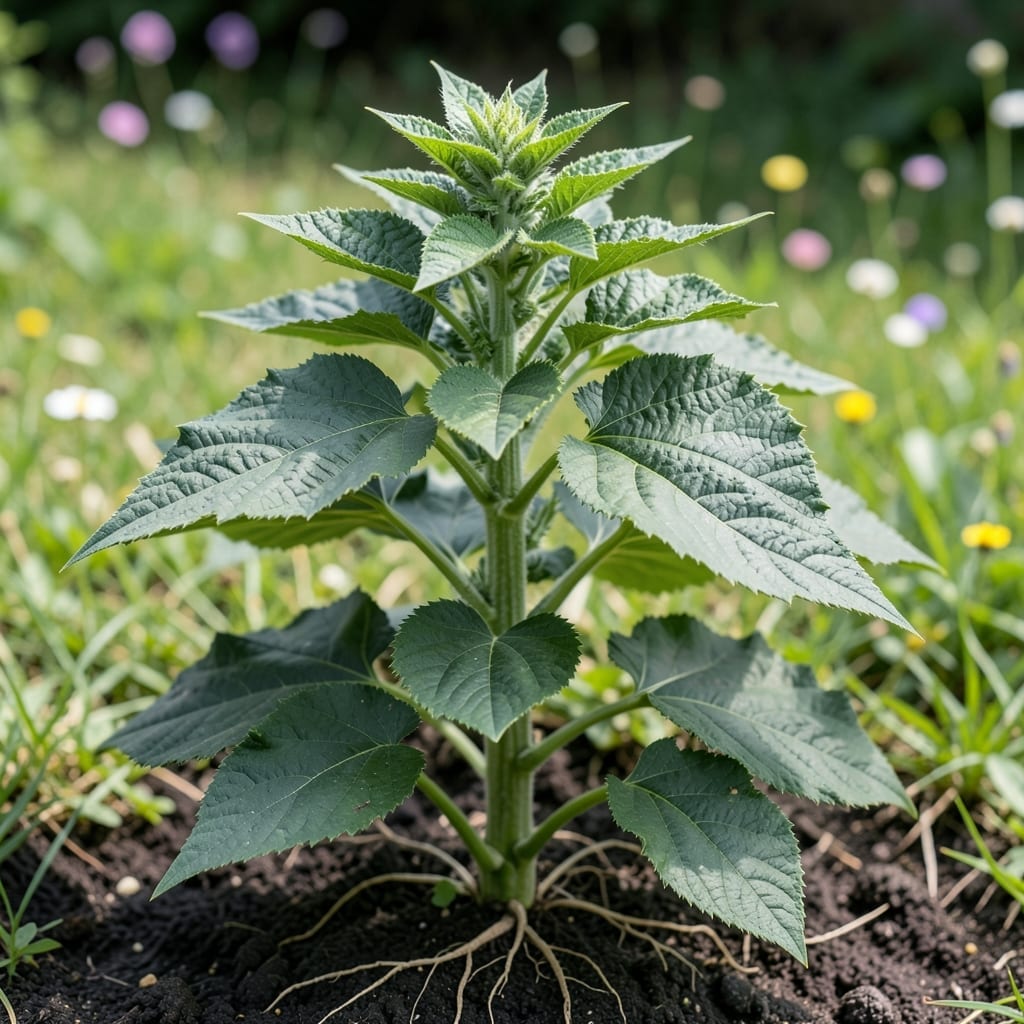
I first noticed datura growing wild behind my shed—its large, trumpet-shaped flowers and toothed leaves are unmistakable. The plant thrives in poor soil and full sun, spreading aggressively if left unchecked.
But here’s the thing—every part of this plant is highly toxic. Handling it requires gloves, and it should never be grown where kids or pets might encounter it. Recognition is the first step in staying safe.
📚 In This Guide
Here’s how to recognize this plant with confidence while keeping yourself safe.
Start by observing the overall leaf structure. Datura stramonium leaves are broadly ovate to elliptical, typically measuring 3 to 8 inches long and 2 to 5 inches wide. The edges are toothed or wavy, never smooth, which is a key identifier.
Hold the leaf up to the light—you’ll notice a slightly wrinkled or puckered texture between the veins. This is a distinctive trait that separates it from lookalikes like lambsquarters or young nightshade, which have smoother surfaces.
Look at how the leaves grow along the stem. Datura stramonium has an alternate leaf arrangement, meaning leaves emerge singly at different heights rather than in pairs. The stem itself is often purplish or green with a slight downy fuzz.
Run your fingers lightly along the stem (wear gloves). The fine hairs are subtle but noticeable, and the stem may exude a faint, unpleasant odor when crushed. This is another red flag—true datura has a strong, nauseating scent that lingers.
Note the color and veining. Mature leaves are deep green with a lighter underside, and the veins are prominent and whitish. Younger leaves may have a slightly purple tint, especially in cooler weather.
Datura stramonium thrives in disturbed soils, so check roadside ditches, abandoned lots, or edges of cultivated fields. If you’re in a shady, wooded area, it’s less likely to be datura—this plant prefers full sun to partial shade.
While leaves are the primary clue, cross-check with other parts. Datura stramonium often has trumpet-shaped flowers that are white, purple, or lavender and 2 to 4 inches long. These bloom at night and close by midday.
The seed pods are another giveaway: spiky, walnut-sized capsules that split open when dry to release black or brown seeds. If you see these alongside the leaves, you’ve confirmed your identification. Never touch the seeds—they’re among the most toxic parts.
Always wear nitrile gloves when handling any part of the plant. Even brief skin contact can cause absorption of tropane alkaloids, leading to dizziness or rashes. If you suspect poisoning, seek medical help immediately.
Never burn the plant, as inhaling the smoke can be just as dangerous as ingestion. If you need to remove it, use a shovel to dig up the roots (wear a mask and long sleeves), and dispose of it in a sealed bag—never compost it.
Identifying this plant correctly could save lives, so let’s go over the critical details.
Visual Confirmation: In Step 1, the ovate to triangular leaves with toothed margins are a key identifier, but don’t stop there. The prominent white veins against dark green and the 3-8 inch length are non-negotiable. Confession: I once missed the vein pattern and second-guessed myself—now I check it first.
The Scent Test: The strong, unpleasant odor when crushed is a dead giveaway. If you’re unsure, gently bruise a leaf between gloved fingers. This smell is unique and unmistakable, and it’s one of the fastest ways to confirm your suspicions before moving to Step 2.
Nighttime Clue: Step 2 mentions the trumpet-shaped flowers that bloom at night. If you spot white to purple, 2-4 inch blooms that close by day, you’re likely dealing with this plant. The sweet fragrance is deceptive—this is when the plant is most dangerous.
Safety First: Step 4’s advice about protective gloves and long sleeves isn’t optional. The sticky sap can cause skin reactions, and even brief contact can transfer toxins. I learned this the hard way after handling a stem without protection—never again.
No, datura stramonium leaves contain toxic alkaloids like atropine and scopolamine. Always wear gloves when handling to avoid skin absorption or accidental ingestion, which can cause severe symptoms like hallucinations or poisoning.
Symptoms include dilated pupils, rapid heartbeat, dry mouth, confusion, hallucinations, and even coma. If exposed, seek medical help immediately. Early intervention is critical.
Look for large, toothed, dark green leaves with a strong, unpleasant odor. The plant often has trumpet-shaped white or purple flowers. Always confirm with a local expert if unsure.
Call poison control or go to the ER right away. Do not induce vomiting unless instructed. Keep a sample of the plant for identification to aid treatment.
Yes! Consider non-toxic plants like morning glories or moonflowers for similar aesthetics. Always research or consult a botanist before planting or handling unfamiliar species.