
Beautiful Plants For Your Interior
Beautiful Plants For Your Interior
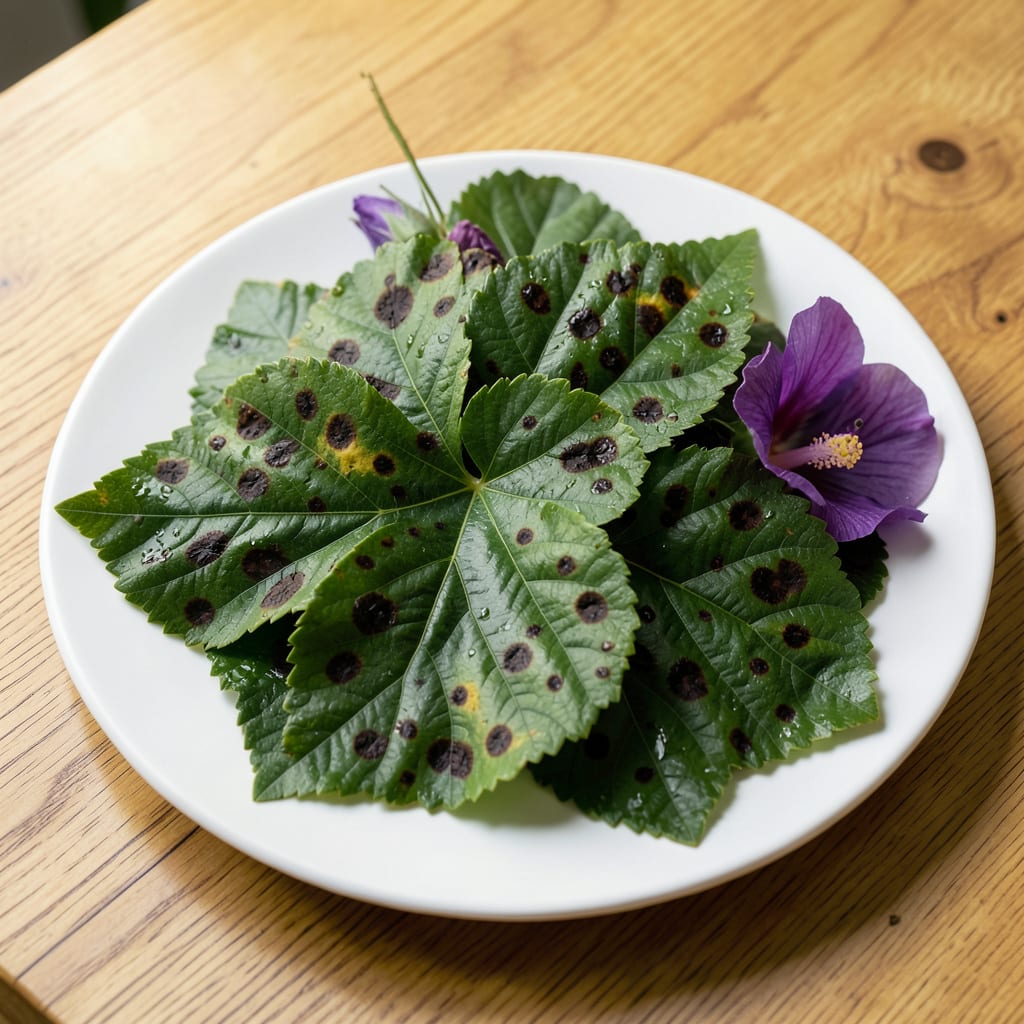
I noticed the first dark spot on my hibiscus last summer. It started small, but within days, the leaves looked like Swiss cheese.
Turns out, those spots aren’t just unsightly—they’re your plant’s distress signal. Could be fungus, pests, or even something as simple as overwatering.
I’ve tested every organic fix, from baking soda sprays to neem oil treatments. Some worked, some didn’t, but the key is catching it early.
The good news? With the right approach, your hibiscus can bounce back faster than you’d think. Here’s how to figure out what’s wrong and fix it for good.
Dark spots on hibiscus leaves often signal underlying issues that disrupt the plant’s health. Understanding the root causes helps you address the problem effectively before it spreads. Below are the most common culprits behind these unsightly blemishes.
Fungi like Cercospora and Alternaria thrive in warm, humid conditions, producing circular or irregular dark spots with yellow halos. These pathogens spread via water splashes or contaminated tools. Overhead watering and poor air circulation exacerbate the issue, creating a breeding ground for spores.
Bacteria such as Pseudomonas or Xanthomonas cause water-soaked, dark brown or black spots that may ooze or develop a yellow edge. These bacteria enter through wounds or stomata, often spread by rain, insects, or unclean pruning shears. High humidity and wet foliage accelerate their growth.
Pests like aphids, spider mites, and thrips pierce leaf tissues, creating entry points for secondary infections. Their feeding damage often appears as stippling or dark, necrotic spots. Additionally, pests like scale insects excrete honeydew, promoting sooty mold—a black fungal growth that resembles dark spots.
A lack of essential nutrients, particularly magnesium or potassium, can manifest as dark spots or margins on hibiscus leaves. Magnesium deficiency often causes interveinal chlorosis (yellowing between veins) accompanied by dark spots, while potassium deficiency leads to scorched, dark edges on older leaves.
Extreme temperatures, sunburn, or chemical exposure (e.g., herbicide drift) can cause localized tissue death, resulting in dark, crispy spots. Over-fertilization, especially with high-salt formulas, may also lead to leaf burn, appearing as dark, irregular patches.
Dark spots on your hibiscus leaves can be frustrating, but most causes have simple, organic fixes. Below are targeted solutions for each common issue, along with prevention tips to keep your plant thriving.
For leaf spot fungi (e.g., Cercospora), remove and destroy infected leaves to stop the spread. Apply a copper-based fungicide or a DIY baking soda spray (1 tsp baking soda + 1 quart water + a drop of dish soap) weekly until spots fade. Prevention tip: 💡 Space plants for airflow, water at the base (not overhead), and avoid wet foliage in the evening.
If aphids, thrips, or mites are causing dark spots, blast them off with water or introduce ladybugs or lacewings. For stubborn infestations, use neem oil or insecticidal soap every 5–7 days. Prevention tip: ✨ Inspect leaves regularly and encourage beneficial insects with companion plants like marigolds.
Yellowing leaves with dark spots often signal magnesium or potassium deficiency. Mix compost or worm castings into the soil, or apply a balanced organic fertilizer (e.g., 10-10-10). For quick fixes, try Epsom salt spray (1 tbsp per gallon of water) for magnesium. Prevention tip: 🌡️ Test soil annually and amend as needed to maintain pH between 6.0 and 6.5.
If spots appear dry or crispy, your hibiscus may be getting too much direct sun. Move it to partial shade (especially in hot climates) and ensure consistent moisture. Prevention tip: 🎯 Acclimate plants gradually to new light conditions and mulch to retain soil moisture.
Dark, mushy spots? Root rot from overwatering is likely. Let the soil dry slightly between waterings, and ensure pots have drainage holes. Repot in fresh, well-draining soil if roots are blackened. Prevention tip: ⏰ Water deeply but only when the top inch of soil is dry.
Yes, fungal and bacterial spots can spread to nearby plants. Remove affected leaves immediately and avoid overhead watering. Isolate severely infected plants to prevent further spread.
Chemical fungicides work but may harm beneficial insects. Opt for organic solutions like neem oil or copper-based sprays first. Always follow label instructions and wear protective gear.
With proper treatment, new growth should appear within 2-3 weeks. Severely damaged leaves won’t heal but new ones will emerge spot-free. Be patient and consistent with care.
