
Beautiful Plants For Your Interior
Beautiful Plants For Your Interior
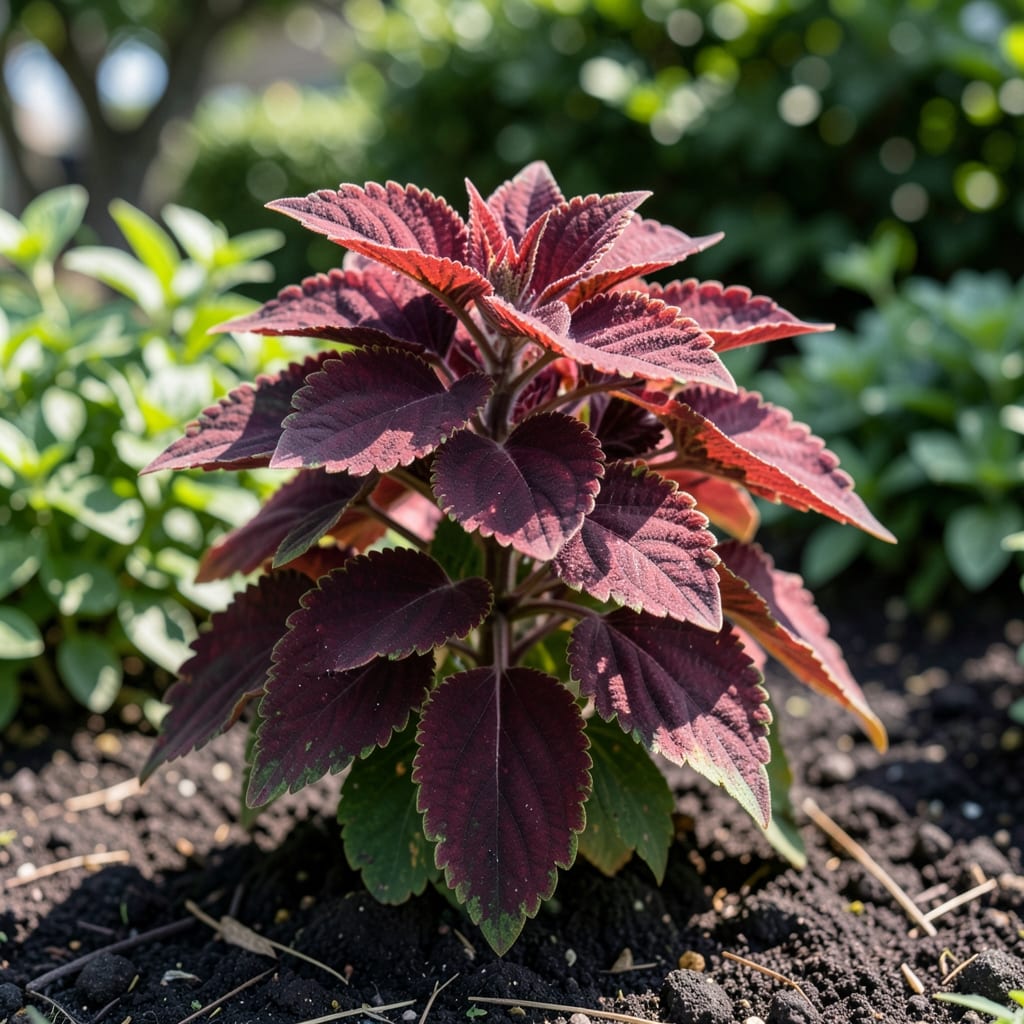
Dark red leaves on your plants are a cry for help—not a death sentence. I’ve seen this exact color shift in my garden from phosphorus deficiency, which shows up as deep red or purple on older leaves.
Cold stress and fungal infections can cause it too. The good news? Each has a simple fix once you pinpoint the issue. Your plants can bounce back faster than you think.
📚 In This Guide
Here’s how I troubleshoot this issue and nurse plants back to health.
Start by checking how much light your plant receives daily. Dark red leaves often signal insufficient light, especially in varieties that typically produce green foliage. Move the plant to a brighter location—ideally a spot with 6-8 hours of direct sunlight per day.
If you’re growing indoors, place the plant within 6-12 inches of a south-facing window or supplement with a full-spectrum grow light for 12-14 hours daily. Watch for improvement in new growth within 1-2 weeks.
Dark red or purplish leaves can indicate a phosphorus deficiency, which is common in cold, compacted, or overly acidic soil. Test your soil’s pH—it should be between 6.0 and 7.0 for most plants. If the pH is too low, amend with lime to balance it.
On the other hand, an excess of phosphorus can also cause reddening, often accompanied by yellowing between leaf veins. Flush the soil with water to remove excess nutrients, and adjust your fertilizing routine. Use a balanced fertilizer (like 10-10-10) until the plant recovers.
Overwatering or underwatering can stress plants, leading to discolored foliage. Stick your finger 1-2 inches into the soil—if it feels bone dry, your plant likely needs more water. If it’s soggy or smells musty, you’re overwatering.
Adjust your watering schedule based on the soil’s moisture level. Water deeply but less frequently, allowing the top 1 inch of soil to dry out between waterings. Ensure your pots have drainage holes to prevent waterlogging, which can suffocate roots and cause leaf discoloration.
Dark red leaves can also result from pest infestations, such as spider mites or aphids, which suck sap from the plant and weaken it. Turn the leaves over and check for tiny insects, webbing, or sticky residue. If you spot pests, treat the plant with neem oil or insecticidal soap, applying it in the early morning or late evening to avoid burning the leaves.
Fungal or bacterial infections may also cause reddening, often accompanied by spots or wilting. Remove affected leaves immediately to prevent the spread, and avoid wetting the foliage when watering. Improve air circulation around the plant to reduce humidity and discourage disease.
Extreme temperatures—either too hot or too cold—can stress plants and lead to dark red leaves. Most plants thrive in temperatures between 65-75°F during the day and 55-65°F at night. If your plant is near a drafty window, heater, or air conditioner, move it to a more stable environment.
Additionally, sudden changes in temperature or light can shock the plant. Acclimate it gradually to new conditions, especially when moving it outdoors or indoors. With consistent care, new growth should return to its normal color within 2-3 weeks.
Here’s what I’ve learned from nursing plants back to health—some key insights to save you time.
The Light Factor: In Step 1, the 6-8 hours of direct sunlight is non-negotiable for most green-leafed varieties. If you’re using a grow light indoors, keep it within 6-12 inches of the plant and stick to 12-14 hours daily—this mimics natural conditions and prevents leggy growth.
Soil pH Check: For Step 2, don’t guess on soil pH—test it! That 6.0-7.0 range is critical for nutrient uptake. If you’re amending with lime, retest after a week to confirm the adjustment. Excess phosphorus often shows as red veins on older leaves first.
Watering Wisdom: Step 3’s finger test works best when you check multiple spots in the pot. If the top 1 inch of soil is dry but the bottom is soggy, your drainage holes might be clogged. Always water deeply until it runs out the bottom—this encourages strong root growth.
Environmental Stability: Step 5’s temperature guidelines are spot-on. That 65-75°F daytime range is where most plants thrive. If you’re moving plants outdoors, start with just 2-3 hours of outdoor time daily, gradually increasing over a week to prevent shock.
Dark red leaves often signal nutrient deficiencies (like phosphorus), environmental stress, or disease. Check soil pH and nutrient levels, and ensure proper lighting and watering.
If the discoloration spreads rapidly or is paired with wilting, yellowing, or leaf drop, act quickly. Early intervention can prevent permanent damage.
Yes! Overwatering can lead to root rot, which restricts nutrient uptake and may cause leaves to darken. Ensure well-draining soil and avoid soggy conditions.
Try organic fixes like compost tea or bone meal for phosphorus deficits. Prune affected leaves and adjust care routines to restore plant health.
Maintain balanced soil nutrients, proper drainage, and consistent watering. Monitor light exposure and inspect plants regularly for early signs of stress.