
Beautiful Plants For Your Interior
Beautiful Plants For Your Interior
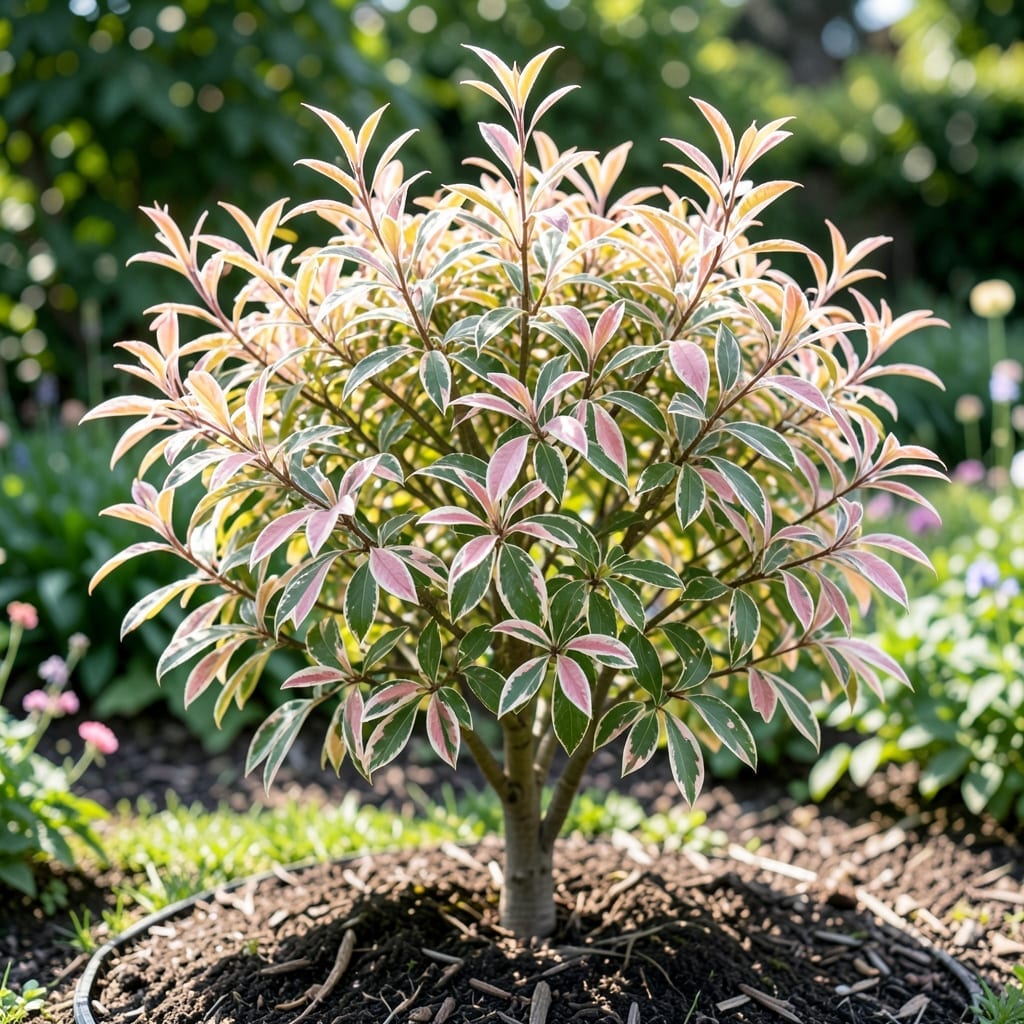
The dappled willow tree 🌳 catches every eye with its stunning variegated leaves, but its height often surprises gardeners. This elegant tree can transform your landscape when placed properly.
Understanding its growth potential helps you plan the perfect spot. Whether you’re dreaming of a privacy screen or a focal point, knowing its mature size is the key to success.
Let me walk you through what to expect from your Dappled Willow Tree and how to manage its growth for your garden’s needs.

The dappled willow tree typically reaches a mature height of 15-25 feet, making it a medium-sized deciduous tree. This range can vary based on growing conditions and care practices. 🌳
In ideal conditions, you can expect your dappled willow to grow 12-24 inches per year. This rapid growth rate means it can reach its full height in just 10-15 years. 🌿
| Growth Stage | Typical Height |
|---|---|
| Year 1 | 3-5 ft |
| Year 2 | 6-10 ft |
| Year 3 | 10-15 ft |
| Mature | 15-25 ft |
*Heights may vary based on climate and care
Several factors influence the final height of your dappled willow. Soil quality plays a major role, as these trees prefer moist, well-draining conditions. Poor soil can stunt growth significantly. ☀️
Climate also affects growth rate. In USDA zones 4-9, where they thrive, you’ll see optimal height development. Colder or hotter climates may slow growth or limit maximum size.
Water availability is crucial for dappled willows. As moisture-loving plants, they need consistent watering, especially during dry spells. Insufficient water can limit both height and foliage density. 💧
The planting location impacts final size too. Trees planted in full sun (6+ hours daily) typically grow taller than those in partial shade. However, they can tolerate some shade with slightly reduced growth.
Regular pruning can help control height if needed. I recommend late winter pruning before new growth starts. This helps maintain shape while promoting healthy development. ✂️
For smaller spaces, consider dwarf varieties which typically max out at 6-8 feet. These compact versions offer the same beautiful foliage in a more manageable size.
Remember that container growing can limit height, but may require more frequent watering and feeding. This option works well for patios or small gardens where space is limited. 🪴
Managing the height of your dappled willow starts with smart planting location choices. I always recommend placing it where it has room to reach its 15-25 foot potential without crowding structures. 🌳
For smaller yards, consider dwarf varieties that stay under 8 feet tall. These compact versions deliver the same stunning foliage in a more controlled package. They’re perfect for urban gardens or patio containers. 🌿
Container growing is my top tip for height management. Use a large pot (at least 24 inches wide) with drainage holes. Remember that potted willows need daily watering in summer and monthly feeding. 🪴
For in-ground plants, pruning is your best tool. I remove about 20-30% of the previous year’s growth each late winter. This keeps the tree at my desired height while promoting bushier growth. ✂️
The timing of pruning matters greatly. Always prune before bud break in early spring. Avoid heavy pruning in fall, as this can stimulate new growth that won’t harden off before winter.
If you’re planting near power lines or buildings, consider the mature spread too. Dappled willows typically spread 10-15 feet wide, so plan accordingly to avoid future conflicts.