
Beautiful Plants For Your Interior
Beautiful Plants For Your Interior
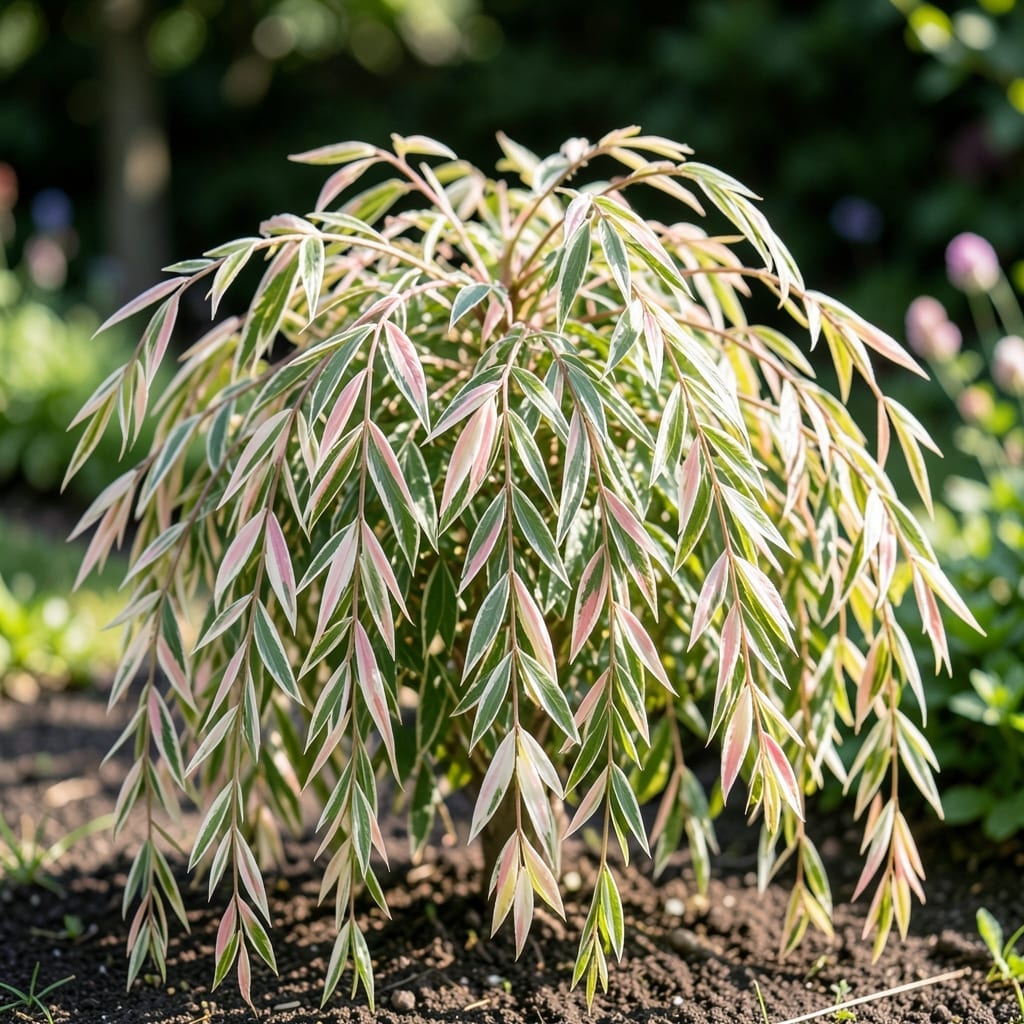
That stunning Dappled Willow 🌿 in your neighbor’s yard didn’t get that big overnight. Its growth rate often catches gardeners off guard, transforming from a modest shrub to a 6-8 ft showstopper in just 3 years.
I’ve watched these beauties flourish in zones 4-9, and their rapid development is both exciting and manageable with the right approach. Whether you’re planting this spring or troubleshooting slow growth, timing and conditions make all the difference.
Discover how to harness this shrub’s natural vigor while keeping it perfectly sized for your landscape. The secrets lie in understanding its unique growth pattern.


The Dappled Willow is a gardener’s dream for quick impact, often growing 1-2 ft in its first year under ideal conditions. This rapid start is just the beginning of its impressive development cycle.
By year two, expect your shrub to reach 3-4 ft, with its signature variegated leaves becoming more pronounced. The growth doesn’t stop there – this shrub has a clear timeline to maturity.
| Year | Height | Width | Key Development |
|---|---|---|---|
| Year 1 | 1-2 ft | 1-2 ft | Establishes root system |
| Year 2 | 3-4 ft | 2-3 ft | Foliage matures |
| Year 3 | 5-6 ft | 4-5 ft | Full variegation |
| Mature | 6-8 ft | 6-8 ft | Full size achieved |
I’ve found that well-draining soil and consistent moisture can boost these numbers by up to 20%. The shrub thrives in USDA zones 4-9, making it versatile for most gardens.
In its third year, the Dappled Willow typically hits 5-6 ft, with its width catching up to its height. This is when the plant truly starts to shine in landscape designs.
By maturity, you’ll have a 6-8 ft tall and wide shrub that can serve as a stunning focal point. Its growth rate slows at this stage, focusing more on leaf production than height.
I recommend planting in early spring to give your willow the full growing season. This timing allows it to establish roots before summer heat or winter cold.
The variegated foliage becomes more vibrant as the plant matures, making the wait worthwhile. Regular fertilizing during growing seasons can enhance both growth rate and leaf color.
Remember that these growth rates are averages. Your specific conditions, including sunlight exposure and soil quality, will influence the exact timeline. In optimal conditions, some gardeners see even faster growth.
This rapid growth means you’ll need to plan for regular pruning to maintain shape. But that’s a small price for such a stunning, fast-growing addition to your garden 🌿
Several key variables can accelerate or slow your Dappled Willow’s impressive growth. I’ve seen firsthand how soil quality makes the biggest difference in those early years of rapid development.
Sunlight exposure ranks as the second most critical factor, with 6+ hours daily producing the most vigorous specimens. Even partial shade can reduce growth rates by 30-40% in my experience.
The watering frequency often surprises new growers – these shrubs need consistent moisture but hate soggy roots. I recommend deep weekly watering for established plants, increasing to twice weekly during summer heat.
Climate zone plays a subtle but important role. In warmer zones, you might see faster spring growth, while cooler areas may have a slightly extended growing season. Both can result in similar annual gains.
I always emphasize that fertilization timing matters more than amount. A balanced 10-10-10 applied every 4-6 weeks during growing season gives better results than heavy occasional feeding.
Remember that wind exposure can stress the plant and slow growth. Consider sheltered locations or windbreaks for optimal development, especially in the first year after planting 🌿