
Beautiful Plants For Your Interior
Beautiful Plants For Your Interior
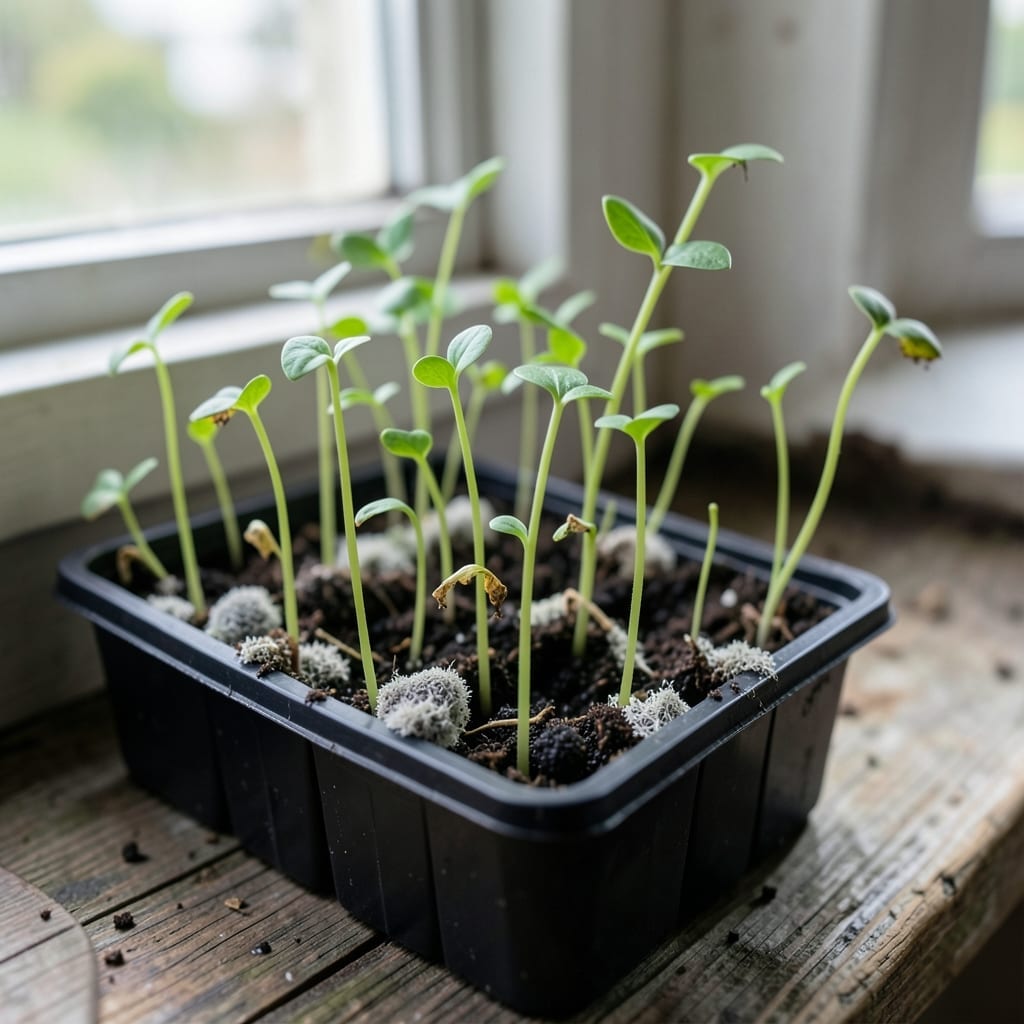
One morning they’re fine, the next they’re flopped over like wet noodles. Damping off hits seedlings fast and hard, turning your carefully planted tray into a sad display of collapsed stems.
I lost an entire batch of tomato starts this way before learning the culprit is usually too much moisture combined with poor air circulation. The fungus moves in silently, attacking at soil level where you can’t see it coming.
Prevention is simpler than you think: start with sterile seed-starting mix, avoid overwatering, and ensure air moves around your seedlings. These small changes make a huge difference.
A little attention now saves weeks of heartbreak later. Your seedlings will thank you with strong, upright growth.
Damping off is a frustrating issue for gardeners, but understanding its root causes can help you prevent it. Below are the primary reasons seedlings succumb to this fungal or bacterial disease, along with the science behind each.
Excess moisture is the most common culprit. When soil stays soggy, it creates an anaerobic environment that Pythium, Phytophthora, and Rhizoctonia fungi thrive in. These pathogens attack the seedling’s stem at the soil line, causing it to rot and collapse. Seedlings need consistent moisture, not waterlogged conditions. Use well-draining seed-starting mixes and water only when the top layer of soil feels dry.
Fungal spores germinate best in cool (50–60°F / 10–15°C), humid environments. If your seedlings are in a chilly greenhouse or a damp basement, the risk skyrockets. Warmth (70–75°F / 21–24°C) speeds up seedling growth, helping them outpace fungal attacks. A heat mat can be a game-changer for maintaining ideal temperatures.
Poor air circulation traps humidity around delicate stems, creating a perfect breeding ground for fungi. When seedlings are too close together, they also compete for light, weakening them further. Thin seedlings early, or use individual cell trays to give each one space to breathe and grow strong.
Reusing old potting mix or unsterilized tools can introduce Pythium and other pathogens directly to your seedlings. Always use sterilized seed-starting mix and clean trays, tools, and pots with a 10% bleach solution (1 part bleach to 9 parts water) before reuse. This simple step can eliminate spores before they have a chance to strike.
Seedlings grown in low light or with insufficient nutrients are more susceptible to damping off. Weak stems can’t resist fungal invasion as effectively. Ensure your seedlings get 12–16 hours of bright light daily (supplement with grow lights if needed) and use a balanced, diluted fertilizer to support healthy growth.
Damping off can be frustrating, but with the right fixes, you can save your seedlings and prevent future outbreaks. Below are targeted solutions for each common cause, along with prevention tips to keep your young plants thriving.
If soggy soil is the culprit, stop watering immediately and let the top inch of soil dry out. Repot seedlings into a well-draining mix (add perlite or coarse sand) and ensure containers have drainage holes. Water only when the soil feels dry to the touch. Prevention tip: 💡 Use a spray bottle for gentle, controlled moisture.
At the first sign of fuzzy mold or wilting, remove infected seedlings to stop the spread. Treat remaining plants with a natural fungicide like chamomile tea or a diluted hydrogen peroxide solution (1 tsp per cup of water). For severe cases, apply a copper-based fungicide. Prevention tip: ✨ Sterilize tools and trays with rubbing alcohol before reuse.
Overcrowding traps moisture and encourages disease. Thin seedlings to leave 2–3 inches between each plant, or transplant them into individual pots. Improve airflow by placing a small fan on low near seedlings (not directly on them). Prevention tip: 🎯 Sow seeds sparingly to avoid overcrowding from the start.
Seedlings need consistent warmth (65–75°F) and good air circulation. Move trays to a brighter, warmer spot (a heat mat can help) and avoid cold drafts. If humidity is too high, use a dehumidifier or vent the growing area. Prevention tip: 🌡️ Monitor with a thermometer/hygrometer for ideal conditions.
By addressing the root cause and following these steps, you can rescue your seedlings and set them up for healthy growth. Stay vigilant—early action is key!
Look for stems that suddenly collapse at the soil line or wilted, water-soaked seedlings. Healthy stems should be firm and upright.
No, discard it immediately. Pathogens can survive in soil and infect new plants. Always start fresh with sterile seed-starting mix.
Water gently from below using a tray, and only when the top layer of soil feels dry. Avoid overhead watering that wets the stems.
Yes! A small fan on low improves air circulation, reducing humidity around stems. Just don’t point it directly at delicate seedlings.