
Beautiful Plants For Your Interior
Beautiful Plants For Your Interior
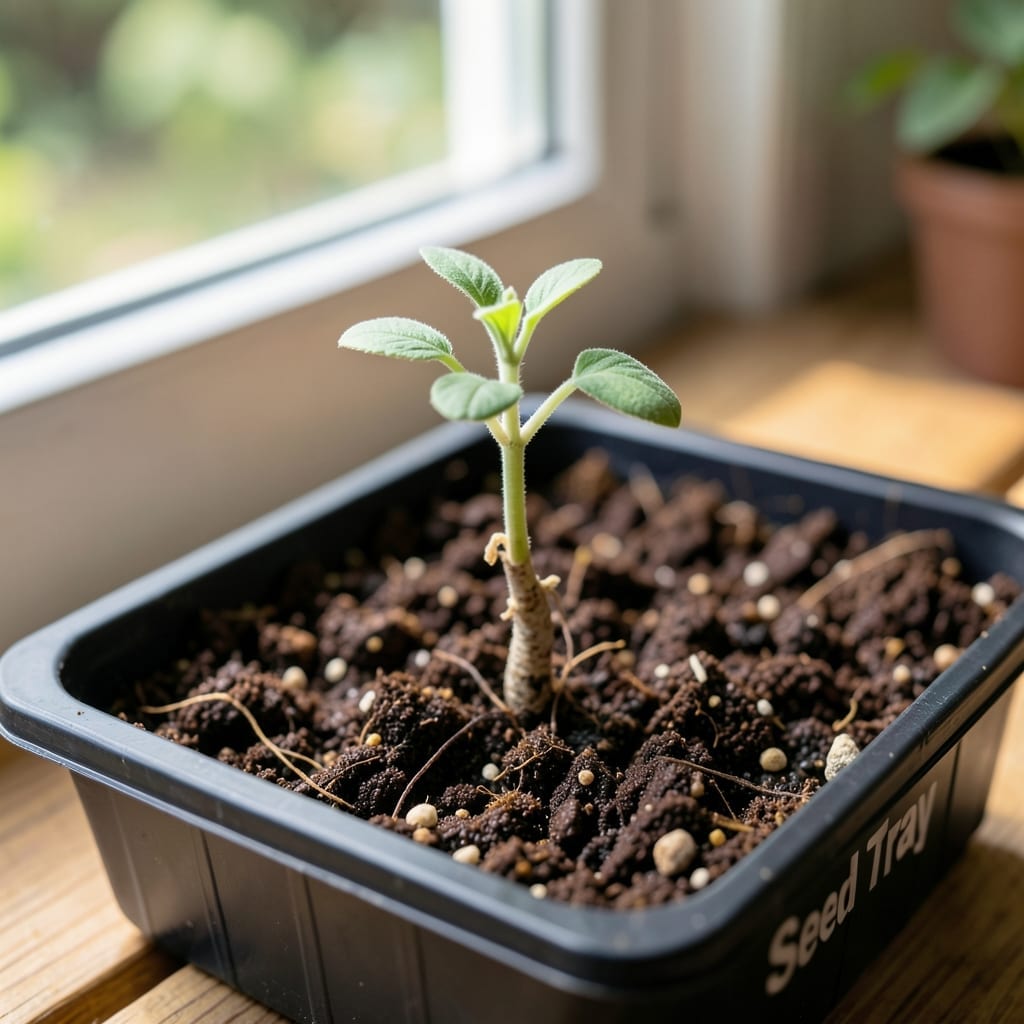
Watching healthy seedlings topple overnight breaks every gardener’s heart. I’ve lost entire trays to damping off—the silent killer of young plants that strikes when you least expect it.
It’s not just bad luck. Overwatering, poor air circulation, and dirty tools create the perfect storm for fungal pathogens to attack. The stems rot at soil level, turning mushy before collapsing like wet noodles.
The fix is simpler than you’d think. Sterilize your containers, use fresh potting mix, and water from the bottom. A small fan on low for 2-3 hours daily keeps air moving.
Prevention takes 5 minutes of setup but saves weeks of heartache. Your seedlings will stand tall and strong, ready for the garden.
Damping off is a frustrating problem for gardeners, but understanding its root causes can help you prevent it. This devastating condition is primarily driven by fungal and fungal-like pathogens, though environmental factors play a major role in its development. Below are the key culprits behind this seedling killer.
The most common causes of damping off are soil-borne fungi like Pythium, Phytophthora, Rhizoctonia, and Fusarium. These pathogens thrive in moist, poorly drained soils and attack the delicate stems and roots of seedlings. Pythium and Phytophthora (water molds) often cause pre-emergence damping off, where seeds rot before sprouting, while Rhizoctonia and Fusarium typically strike post-emergence, leading to stem collapse at the soil line.
Excess moisture is a breeding ground for damping off. Overwatering or using heavy, clay-rich soils that retain water creates the perfect anaerobic environment for fungi to proliferate. Seedlings in waterlogged conditions suffer from oxygen deprivation, weakening their defenses and making them susceptible to infection. Ensure your seed-starting mix is light, well-draining, and only water when the top layer of soil feels dry.
Cooler temperatures (below 68°F or 20°C) combined with high humidity slow seedling growth while encouraging fungal activity. This is especially risky in early spring or in unheated greenhouses. Maintain consistent warmth (70–80°F or 21–27°C) and provide good air circulation with a small fan to reduce humidity and discourage spore germination.
Reusing old potting soil or unsterilized trays and tools can introduce damping off pathogens to new seedlings. Always use a sterile seed-starting mix and clean tools with a 10% bleach solution or rubbing alcohol. If reusing containers, wash them thoroughly and expose them to sunlight or a dilute bleach solution to kill lingering spores.
Planting seeds too densely restricts airflow and increases humidity around seedlings, creating microclimates that fungi love. Thin seedlings early or sow them with adequate spacing (check seed packet recommendations) to improve ventilation and reduce disease pressure.
Damping off is frustrating, but these targeted fixes can save your seedlings and prevent future losses. Address the root causes directly, then adopt simple habits to keep your starts healthy.
Fix: Let the soil dry slightly between waterings. Use a spray bottle for gentle, controlled moisture, and ensure pots have drainage holes. Switch to a well-draining seed-starting mix with perlite or vermiculite.
Prevent it: 💡 Water from below by placing trays in shallow dishes of water, allowing the soil to wick up moisture as needed.
Fix: Remove infected seedlings immediately to stop the spread. Treat remaining starts with a natural fungicide like chamomile tea or a copper-based spray. Sterilize tools and trays with a 10% bleach solution.
Prevent it: ✨ Use sterilized soil and clean containers for every new batch of seeds. Avoid overcrowding to improve airflow.
Fix: Move seedlings to a warmer spot (70–75°F) and reduce humidity with a small fan on low. A heat mat can help maintain consistent soil temperature.
Prevent it: 🌡️ Cover trays with a clear lid or plastic wrap until germination, then remove it to prevent excess moisture buildup.
Fix: Discard used soil and start fresh with a sterile, seed-starting mix. Soak tools in boiling water or rubbing alcohol to kill pathogens.
Prevent it: 🎯 Dedicate specific tools and trays for seedlings only, and never reuse soil from previous plantings.
Small adjustments make a big difference. Stay consistent with these practices, and your seedlings will thrive!
Seedlings with damping off typically have water-soaked, discolored stems at soil level that turn mushy and collapse. Leaves may wilt or yellow, and roots often appear brown or rotten. Healthy stems are firm and green.
Unfortunately, once damping off appears, infected seedlings rarely recover. Remove them immediately to prevent spreading to healthy starts. Sterilize the soil and containers before replanting.
Maintain 70–80°F temperatures and use a small fan for air circulation. Always use sterile seed-starting mix and clean trays. Water from below and avoid overcrowding seeds.
While it can strike any seedling, fast-growing plants like tomatoes, peppers, and impatiens are especially vulnerable. Slow-growing or woody species show more resistance to fungal attacks.