
Beautiful Plants For Your Interior
Beautiful Plants For Your Interior
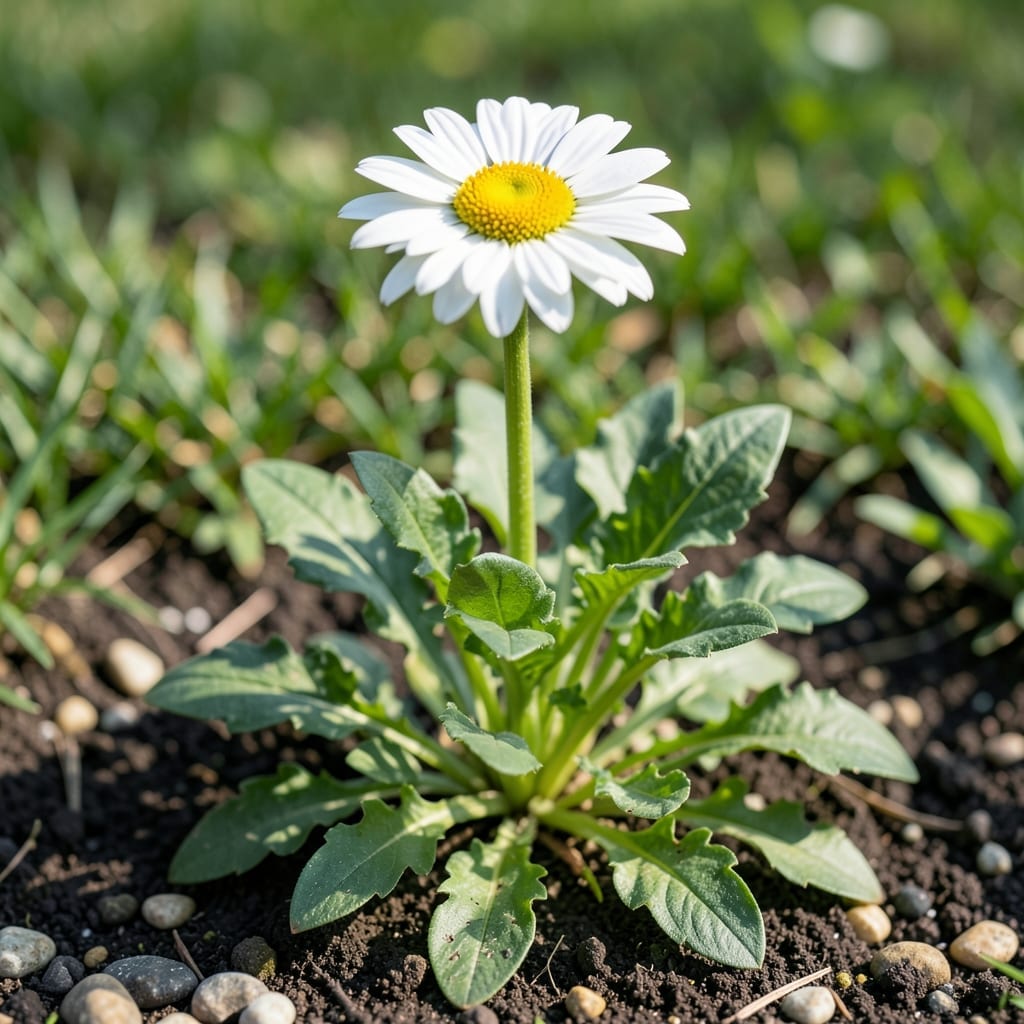
There’s nothing like cheerful 🌼 Daisies to brighten up your garden, but their light needs can make or break your blooms. Getting this right means the difference between vibrant flowers and lackluster growth.
I’ve seen firsthand how the right balance of sun and shade transforms these classic perennials. Whether you’re planting in full sun or dappled shade, understanding their preferences is the key to success.
Let me show you exactly how to give your Daisies the light they crave for lush, long-lasting beauty all season long.
 Best Window Placement
I get asked this all the time: daisies thrive best in conditions that mimic their natural habitat. Most varieties, like Shasta daisies, demand full sun to produce those iconic white blooms.
But here’s the good news: some types, including oxeye daisies, can handle partial shade, especially in hotter climates where afternoon sun might scorch their petals.
| Variety | Sun Needs | Shade Tolerance |
|---|---|---|
| Shasta Daisy | 6-8 hours full sun | Low – prefers sun |
| Oxeye Daisy | 4-6 hours sun | Moderate – tolerates afternoon shade |
| Gerbera Daisy | 6+ hours sun | Low – needs bright light |
| African Daisy | Full sun | Minimal – heat tolerant |
In my experience, full sun means at least 6-8 hours of direct sunlight daily. Daisies in these conditions produce more blooms and stronger stems, making them perfect for sunny borders.
However, in regions with intense heat, especially zones 8-10, providing afternoon shade can prevent wilting. I’ve seen oxeye daisies flourish under trees where they get dappled sunlight.
Gerbera daisies are a bit more demanding—they need bright light to maintain their vivid colors. Without enough sun, their blooms can become pale and sparse, which is a common issue I help gardeners troubleshoot.
For gardeners with shady spaces, don’t despair. While most daisies prefer sun, Nipplewort and some English daisy varieties can tolerate partial to full shade, though they may bloom less abundantly.
I always recommend observing your garden’s sun patterns before planting. Track how sunlight moves across your space, noting areas that get morning sun versus harsh afternoon light. This simple step can make a huge difference.
Remember, even shade-tolerant daisies need some light. Too much shade leads to leggy growth and fewer flowers. Aim for at least 3-4 hours of sunlight for these varieties to keep them healthy and blooming.
In containers, daisies often need more sun than their in-ground counterparts because pots can heat up quickly. I suggest placing container daisies where they’ll get morning sun and some afternoon protection in hot climates.
At the end of the day, most daisies are sun-lovers at heart. But with the right variety selection and placement, you can enjoy their cheerful faces in nearly any garden spot ☀️🌼
Not all daisies demand full sun to thrive. I’ve found several varieties that perform beautifully in partial shade, making them perfect for those tricky spots in your garden where sunlight is limited.
These shade-tolerant daisies still need some light, typically 3-6 hours of sun per day, but they won’t wilt under the pressure of less-than-ideal conditions like their sun-loving cousins might.
| Variety | Light Needs | Best For |
|---|---|---|
| Oxeye Daisy | 4-6 hours sun | Woodland edges |
| English Daisy | Partial shade | Cottage gardens |
| Nipplewort | Full to partial shade | Shady borders |
| Painted Daisy | Morning sun | Under trees |
For oxeye daisies, I recommend planting them where they’ll get morning sun and afternoon shade. This combination prevents petal scorch while ensuring they still get enough light to bloom profusely.
English daisies are another excellent choice for shadier spots. They prefer moist, well-drained soil and can handle more shade than most varieties, though their blooms might be slightly smaller in low-light conditions.
If you’re dealing with deep shade, consider Nipplewort. This hardy little daisy can thrive where others struggle, though it may produce fewer flowers. I’ve seen it create a lovely ground cover in shady areas.
For gardeners in hot climates, painted daisies offer a great middle ground. They appreciate morning sun but can handle afternoon shade, making them ideal for gardens with intense midday heat.
Remember, even shade-tolerant daisies need good air circulation to prevent fungal diseases. I always suggest spacing plants 12-18 inches apart and watering at the base to keep foliage dry 🌿