
Beautiful Plants For Your Interior
Beautiful Plants For Your Interior
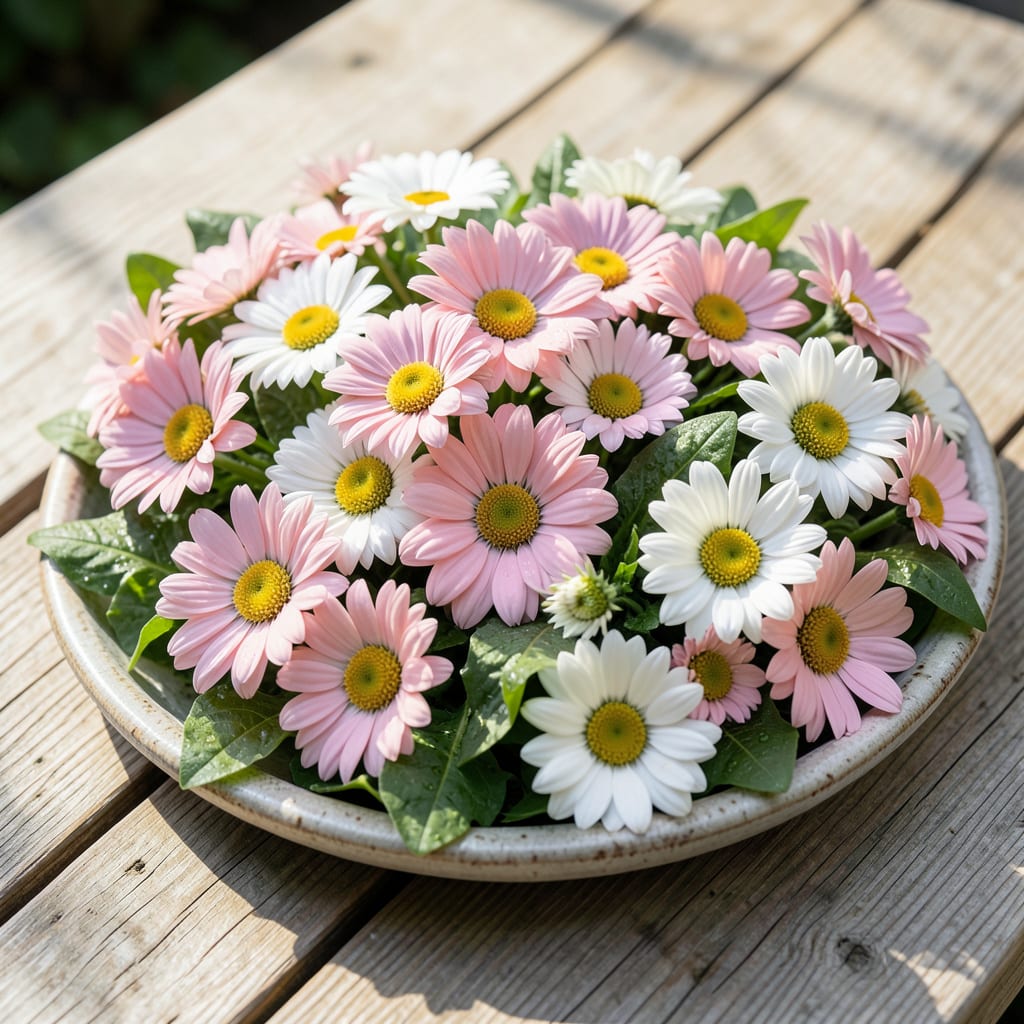
Nothing brightens a garden border like pink and white daisies in full bloom. I planted my first row three seasons ago, and they’ve been the most reliable performers in my landscape since.
These cheerful flowers thrive in well-draining soil with 6+ hours of sunlight and moderate watering. Once established, they return every spring with even more blooms, filling the air with a fresh, subtle fragrance.
📚 In This Guide
This method ensures vibrant, long-lasting border displays with minimal effort and maximum impact.
Choose a site with full sun to partial shade—at least 6 hours of direct sunlight daily produces the most abundant blooms. Daisies thrive in well-draining soil, so avoid low-lying areas where water pools after rain. I always test drainage by digging a 1-foot hole, filling it with water, and checking if it empties within 2-3 hours.
Soil pH matters too. Pink and white daisies prefer slightly acidic to neutral soil (6.0-7.0 pH). If your soil leans alkaline, amend with elemental sulfur or peat moss before planting. A simple soil test kit gives you an exact reading in minutes.
Loosen the soil to a depth of 12-15 inches using a garden fork, breaking up any compacted areas. This encourages deep root growth, which makes plants more drought-resistant. Mix in 2-3 inches of compost or well-rotted manure to improve fertility and structure.
Remove all weeds and debris, as these compete with young daisies for nutrients and water. I like to rake the surface smooth after amending—this makes it easier to space plants evenly. Water the prepared bed lightly to settle the soil before planting.
Dig planting holes twice as wide as the root ball but no deeper. Space plants 12-18 inches apart to allow for air circulation, which prevents fungal diseases. For border displays, stagger the plants in a zigzag pattern rather than straight rows—this creates a more natural, flowing look.
Place each daisy in its hole so the top of the root ball sits slightly above the soil line. This prevents crown rot, a common issue with daisies planted too deep. Backfill with native soil, pressing gently to eliminate air pockets, then water thoroughly to help roots establish contact with the soil.
Water deeply immediately after planting, then maintain consistent moisture for the first 2-3 weeks while roots establish. After that, daisies are surprisingly drought-tolerant. I water mine when the top inch of soil feels dry to the touch—usually every 5-7 days in average weather.
Avoid overhead watering, especially late in the day. Wet foliage encourages powdery mildew and other fungal issues. Instead, use a soaker hose or water at the base of the plants in the early morning. This gives foliage time to dry before evening.
Deadhead spent blooms regularly to encourage more flowers. Simply pinch or cut off faded blossoms just above a set of leaves or side bud. This prevents seed formation and redirects the plant’s energy into producing new blooms. I do this weekly during peak flowering season.
Apply a 2-inch layer of mulch around plants to retain moisture and suppress weeds. Organic mulches like shredded bark or straw also break down over time, adding nutrients to the soil. Fertilize lightly with a balanced 10-10-10 product every 4-6 weeks during the growing season to sustain vigorous growth.
These practical insights will help you avoid common pitfalls and get the most from your border displays.
Sunlight Strategy: The 6 hours of direct sunlight mentioned in Step 1 is non-negotiable for abundant blooms. If your space only gets morning sun, prioritize east-facing locations. I learned this the hard way after planting in a shady spot and getting sparse, leggy plants. Don’t make my mistake: measure your sun exposure before planting.
Drainage Test: That 1-foot hole test in Step 1 is your best insurance against root rot. If water doesn’t drain within 2-3 hours, consider raised beds or amending with coarse sand. Between us, I skipped this test once and lost half my plants to soggy soil.
Planting Depth: In Step 3, that detail about keeping the root ball slightly above soil level prevents crown rot—a silent killer of daisies. Press the soil gently but firmly to eliminate air pockets, which can dry out roots. Here’s what nobody tells you—this small adjustment makes a huge difference in plant longevity.
Watering Wisdom: During those critical 2-3 weeks after planting in Step 4, consistent moisture is key. I use a moisture meter to check that top inch of soil—it takes the guesswork out of the 5-7 day watering schedule. After establishment, daisies are forgiving, but early on they need your attention.
Pink and white daisies are often hybrid varieties like the Gerbera Daisy or Echinacea. Their colors result from selective breeding, with pink hues coming from anthocyanin pigments and white from a lack of pigmentation. These shades add a soft, romantic touch to gardens!
Plant them in early spring or fall for the best results. These hardy perennials thrive in mild temperatures (60-70°F) and need well-drained soil. In warmer climates, fall planting helps roots establish before summer heat.
Yes! Choose a container with drainage holes and use potting mix. Dwarf varieties like Bellis perennis work best. Keep the soil moist but not soggy, and place pots in partial to full sun for vibrant blooms.
Deadhead spent flowers regularly to encourage new blooms. Fertilize lightly every 4-6 weeks with a balanced plant food, and ensure they get 6+ hours of sunlight daily. Overwatering can reduce flowering, so water at the base when soil feels dry.
