
Beautiful Plants For Your Interior
Beautiful Plants For Your Interior
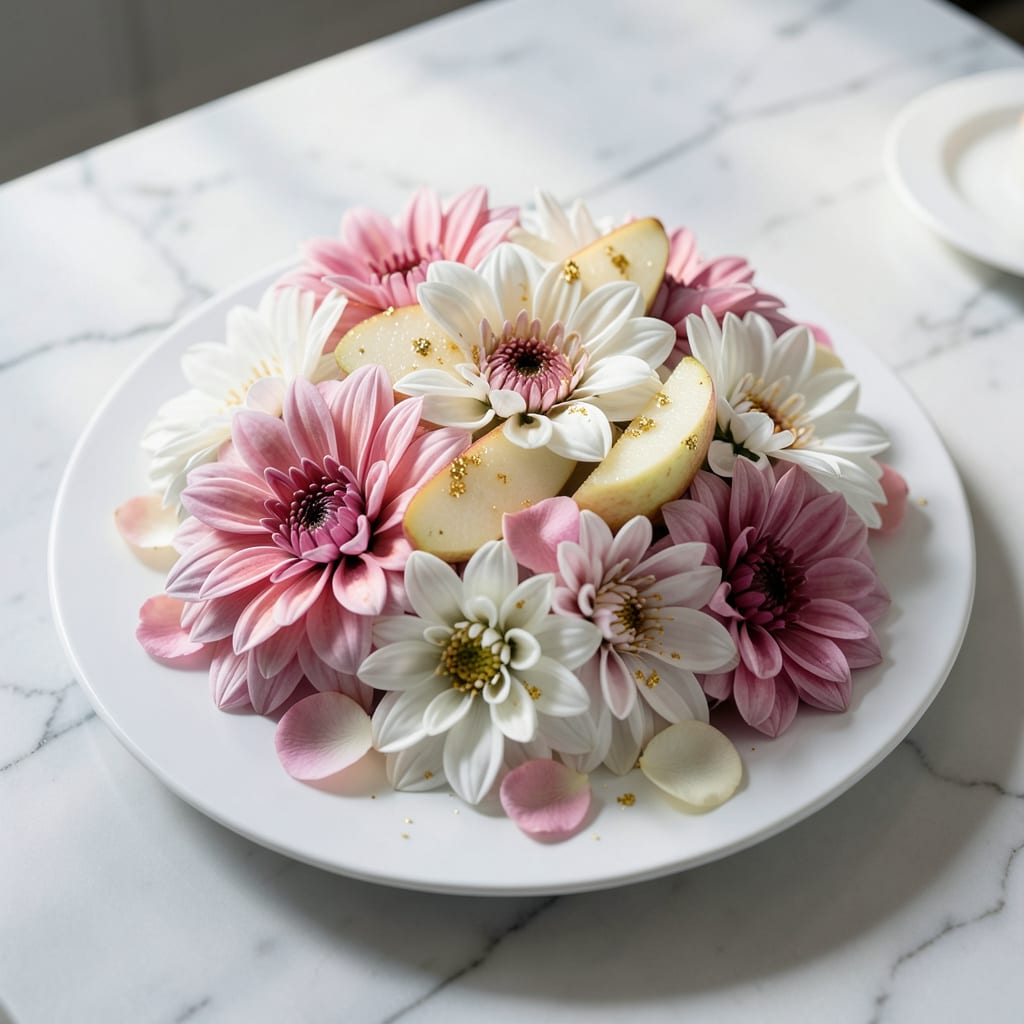
Nothing beats the drama of pink and white dahlias in full bloom. I fell for these bicolor stunners after planting just 3 tubers my first season.
They thrive in well-drained soil with 6+ hours of sun, and their bold contrast stops garden visitors in their tracks. With basic care, you’ll get armfuls of cut flowers from midsummer until frost.
📚 In This Guide
Here’s how I cultivate these stunning bicolor blooms with reliable success every season.
Choose a location with full sun—at least 6-8 hours of direct sunlight daily. Dahlias thrive in well-draining soil with a pH between 6.5 and 7.0. I test my soil first and amend with compost if the drainage seems poor or the texture is too heavy.
Work the soil to a depth of 12-15 inches, removing rocks and breaking up clumps. This ensures the tubers can establish strong root systems without obstruction. Avoid areas where water pools after rain, as dahlias rot in soggy conditions.
Plant tubers in spring after the last frost when soil temperatures reach 60°F. Dig a hole 4-6 inches deep and place the tuber horizontally with the eye (where the stem emerges) facing upward. Space multiple tubers 18-24 inches apart to allow for air circulation.
Cover the tuber with soil and water lightly to settle the earth around it. I avoid heavy watering at this stage—just enough to moisten the soil without creating mud. You’ll see sprouts emerge in 2-3 weeks, depending on soil warmth.
Dahlias produce top-heavy blooms, so staking is essential. Install 4-5 foot stakes at planting or use a tomato cage for each tuber. I tie the stems loosely to the stake with soft twine as they grow, leaving room for expansion without constricting the plant.
Once the plant reaches 12 inches tall, pinch out the top set of leaves to encourage bushier growth and more flowers. This step feels counterintuitive, but it results in stronger stems and a fuller plant that produces abundant bicolor blooms.
Water deeply 2-3 times per week, ensuring the soil stays evenly moist but not waterlogged. I water at the base of the plant to keep foliage dry and prevent disease. Mulch with 2-3 inches of organic material to retain moisture and suppress weeds.
Feed with a low-nitrogen, high-phosphorus fertilizer every 3-4 weeks to promote flowering. Dahlias are heavy feeders, and I’ve found that consistent feeding leads to larger, more vibrant pink and white blooms throughout the growing season.
Deadhead spent blooms regularly by cutting the stem just above a set of leaves or side bud. This encourages the plant to redirect energy into producing new flowers. I check my dahlias every 2-3 days during peak blooming to keep them tidy and productive.
Cut flowers for bouquets in the early morning when buds are just beginning to open. This extends their vase life and ensures you enjoy the striking bicolor patterns indoors as well. With proper care, your dahlias will reward you with blooms from midsummer until the first frost.
Small details make the difference between mediocre blooms and show-stopping pink and white dahlias.
Sunlight Priority: Those 6-8 hours of direct sunlight daily aren’t negotiable. If your garden has partial shade, plant these in the sunniest spot available. I learned this the hard way when my first batch produced weak, pale blooms in a 4-hour sun location.
Soil Preparation: Working the soil to 12-15 inches deep isn’t just about removing rocks—it creates the loose, aerated environment dahlias need to develop their extensive root systems. Don’t rush this step; compacted soil stunts growth.
Planting Depth: The 4-6 inches planting depth is critical for tuber stability. Planting too shallow exposes tubers to temperature swings, while too deep delays sprouting. Place the eye facing up—this is where your stems will emerge in 2-3 weeks.
Support System: Install those 4-5 foot stakes at planting time, not when the plant is already toppling over. I tie stems loosely with soft twine as they grow, checking the supports weekly. The 12 inches pinching height is your signal to start this process.
Keep soil moist but well-drained, and provide full sun (6+ hours daily). Deadhead spent blooms to encourage more flowers. Fertilize lightly every 3-4 weeks during growing season.
Plant tubers in spring after the last frost, when soil temps reach 60°F (15°C). In warmer zones, you can start earlier. Avoid planting in cold, wet soil.
Try bicolor varieties like ‘Café au Lait’ (cream-pink) or ‘Kelvin Floodlight’ (yellow-white). For similar elegance, consider peonies or roses in soft pastel shades.
Likely causes: overcrowding, poor soil, or insufficient sunlight. Thin plants to 12-18 inches apart, enrich soil with compost, and ensure they get plenty of sun for vibrant, full blooms.
