
Beautiful Plants For Your Interior
Beautiful Plants For Your Interior
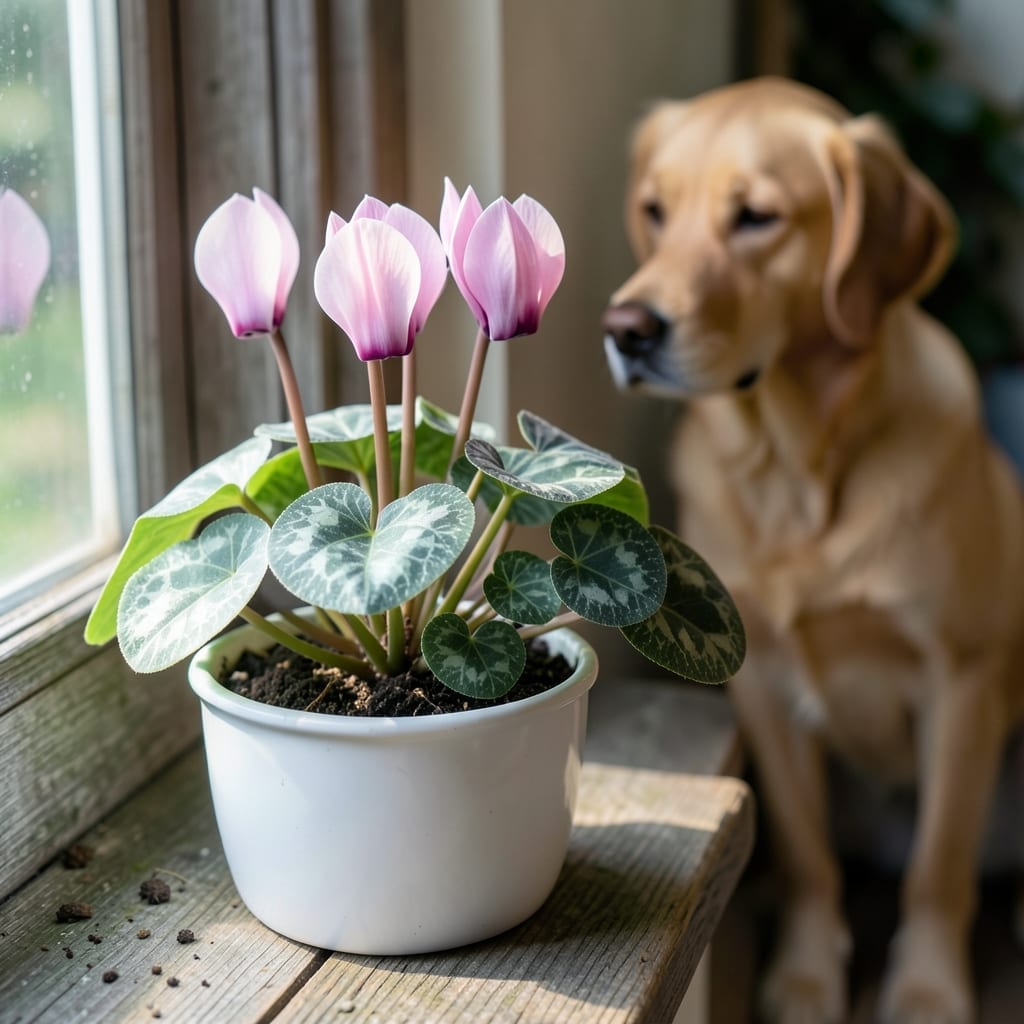
My heart sank when I saw my dog sniffing the cyclamen on my windowsill. Turns out, this pretty plant is highly toxic to pets, with the tubers being the most dangerous part.
Symptoms hit fast—drooling, vomiting, even heart issues. I learned the hard way that even a small bite can send your furry friend to the vet. It’s not worth the risk.
Now, I stick to pet-safe alternatives like African violets or spider plants. They add color without the danger, and I sleep better knowing my dog is safe.
If you love cyclamen but have pets, keep it far out of reach or skip it altogether. Their safety comes first, always.
Cyclamen plants contain toxic compounds that can harm dogs if ingested. Below are the primary reasons why this plant poses a risk to your furry friend.
Cyclamen contains triterpenoid saponins, particularly cyclamin, which are concentrated in the tubers (roots). These saponins cause gastrointestinal irritation, leading to symptoms like vomiting, diarrhea, and drooling. In severe cases, they can disrupt cellular function, affecting the heart and nervous system.
The tubers (bulb-like roots) hold the highest concentration of toxins. Even small amounts can trigger oral irritation, excessive salivation, or difficulty swallowing. If a dog digs up and chews the roots, the risk of poisoning increases significantly.
In rare but extreme cases, cyclamen toxicity can lead to cardiac abnormalities (irregular heartbeat) or seizures. This happens because saponins interfere with electrolyte balance and nerve function, putting vital organs at risk.
Always keep cyclamen plants out of your dog’s reach, and contact a vet immediately if ingestion is suspected.
If you suspect your dog has ingested cyclamen or shows symptoms like drooling, vomiting, or lethargy, act fast. Here’s how to address and prevent poisoning:
Pro tip: Keep a pet first-aid kit handy, including the number for your nearest 24/7 emergency vet. ✨
The tubers (roots) contain the highest concentration of toxins. Even small amounts can cause severe symptoms like vomiting or oral irritation. Leaves and flowers are less toxic but still harmful.
Signs typically show within 15-60 minutes of ingestion. Watch for drooling, vomiting, or diarrhea. In rare cases, heart issues or seizures may develop later.
Yes! Pet-friendly options include spider plants, Boston ferns, or African violets. These add greenery without the risk of toxicity.
Call your vet or ASPCA Poison Control (888-426-4435) immediately. Remove any plant remnants from their mouth and environment.