
Beautiful Plants For Your Interior
Beautiful Plants For Your Interior
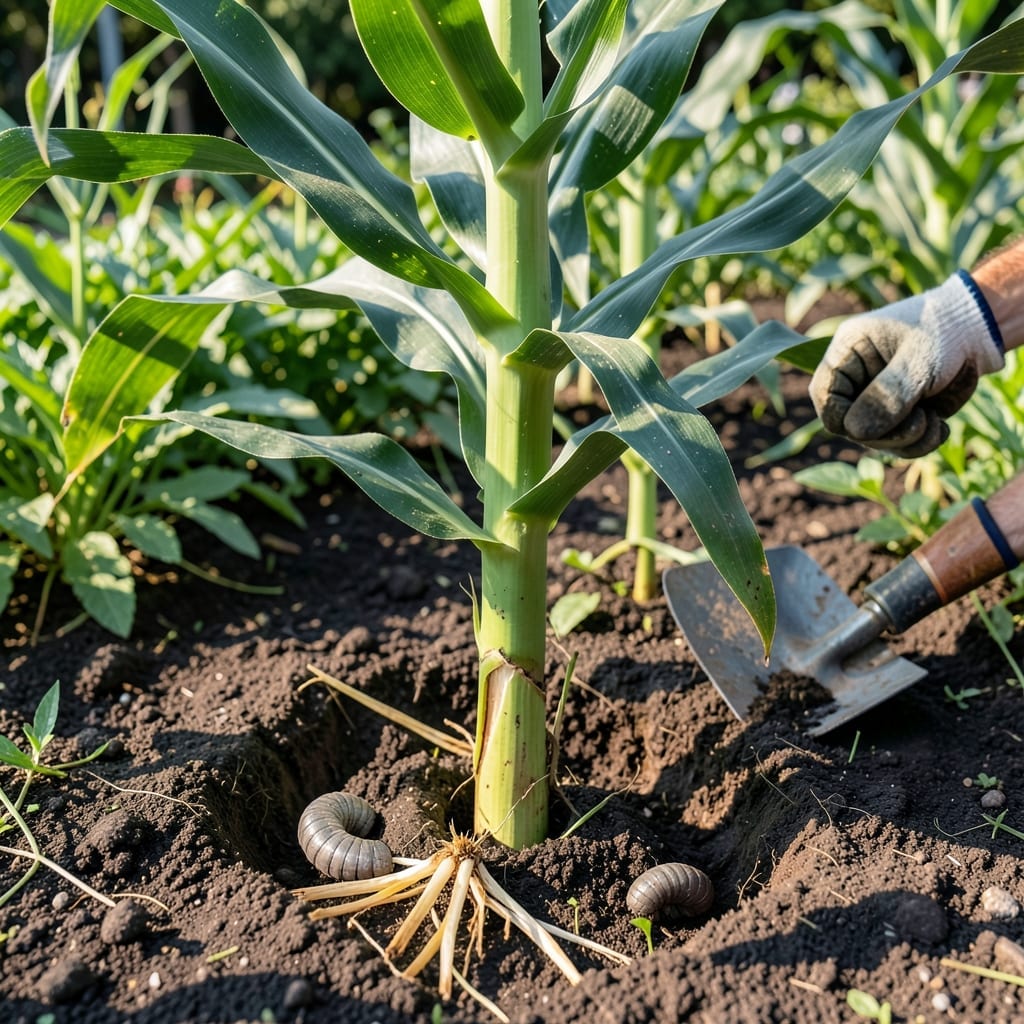
One morning, my seedling beds looked like a massacre. 🌱 Cutworms had struck overnight, leaving stumps where healthy plants had stood just hours before. These silent destroyers live in the soil, emerging at night to sever stems at the base.
I learned the hard way that prevention beats cure. Simple barriers like cardboard collars around stems or diatomaceous earth sprinkled on the soil surface stop them in their tracks. The damage is immediate—you’ll wake up to decimated rows if you don’t act fast.
Organic solutions work best for me. Beneficial nematodes, hand-picking at dusk, and tilling the soil before planting disrupt their life cycle. Chemical options exist, but I prefer methods that won’t harm the good bugs too.
This works for any garden size, from raised beds to container plants. The key is vigilance—check your soil at night with a flashlight and you’ll catch them in the act.
Cutworms thrive in soil for several specific, often preventable, reasons. Understanding these causes helps you disrupt their lifecycle before they devastate seedlings. Here’s why they show up—and how to stop them:
Cutworms are attracted to dense, undisturbed vegetation. Weedy patches, fallen leaves, and crop residues provide shelter and food for adult moths to lay eggs. The larvae then emerge in soil rich with organic matter, feasting on tender stems at night. Action: Clear garden beds of debris and till soil in early spring to expose and dry out eggs.
These pests favor loamy, moist soils with temperatures between 50–75°F (10–24°C). Overwatering or poor drainage creates the perfect nursery. Action: Improve drainage with compost or sand, and avoid evening watering to reduce surface moisture overnight.
Planting the same crop (e.g., corn, tomatoes) in the same spot yearly builds up cutworm populations. They specialize in certain hosts, making it easy for larvae to find food. Action: Rotate crops annually and interplant with non-hosts like onions or garlic to break the cycle.
Without ground beetles, birds, or parasitic wasps, cutworm numbers explode. Pesticides kill their predators first, leaving larvae unchecked. Action: Reduce chemical use, add birdhouses, and plant nectar-rich flowers to attract beneficial insects.
Dealing with cutworms in your soil requires a mix of immediate action and long-term prevention. Below are targeted solutions for common causes, along with tips to keep your garden cutworm-free.
Cutworms thrive in damp conditions. If your soil stays soggy, amend it with organic matter like compost or sand to boost drainage. Raise garden beds if water pools frequently. Prevention tip: Water early in the day so soil dries by evening, making it less inviting for cutworms.
Cutworms hide under weeds, mulch, and plant debris. Remove weeds and dead leaves around your plants, especially in the top 2–3 inches of soil. Prevention tip: Keep a 2-inch bare soil buffer around stems to discourage egg-laying.
Protect young seedlings with collars or barriers. Cut toilet paper rolls in half, place around stems, and press 1 inch into the soil. Alternatively, use cardboard strips or aluminum foil. Prevention tip: Apply these at planting time for best results.
Encourage predators like ground beetles, birds, and parasitic wasps by adding birdhouses or leaving some leaf litter. Avoid broad-spectrum pesticides that harm these helpers. Prevention tip: Plant nectar-rich flowers to attract beneficial insects.
Sprinkle diatomaceous earth or crushed eggshells around plants to deter cutworms. Reapply after rain. For severe infestations, use Bacillus thuringiensis (Bt) spray, a natural bacteria that targets cutworms without harming other life.
Look for seedlings cut off at soil level or small holes in stems. Check at night with a flashlight to spot the grayish-brown caterpillars curled in the soil.
Bacillus thuringiensis (Bt) spray works well and is safe for other garden life. Apply in the evening for best results.
Yes! Use cardboard collars around stems or sprinkle diatomaceous earth on soil. Tilling before planting also exposes eggs to dry out.
Apply barriers at planting time. Use sprays or natural repellents in early evening when cutworms are most active.