
Beautiful Plants For Your Interior
Beautiful Plants For Your Interior
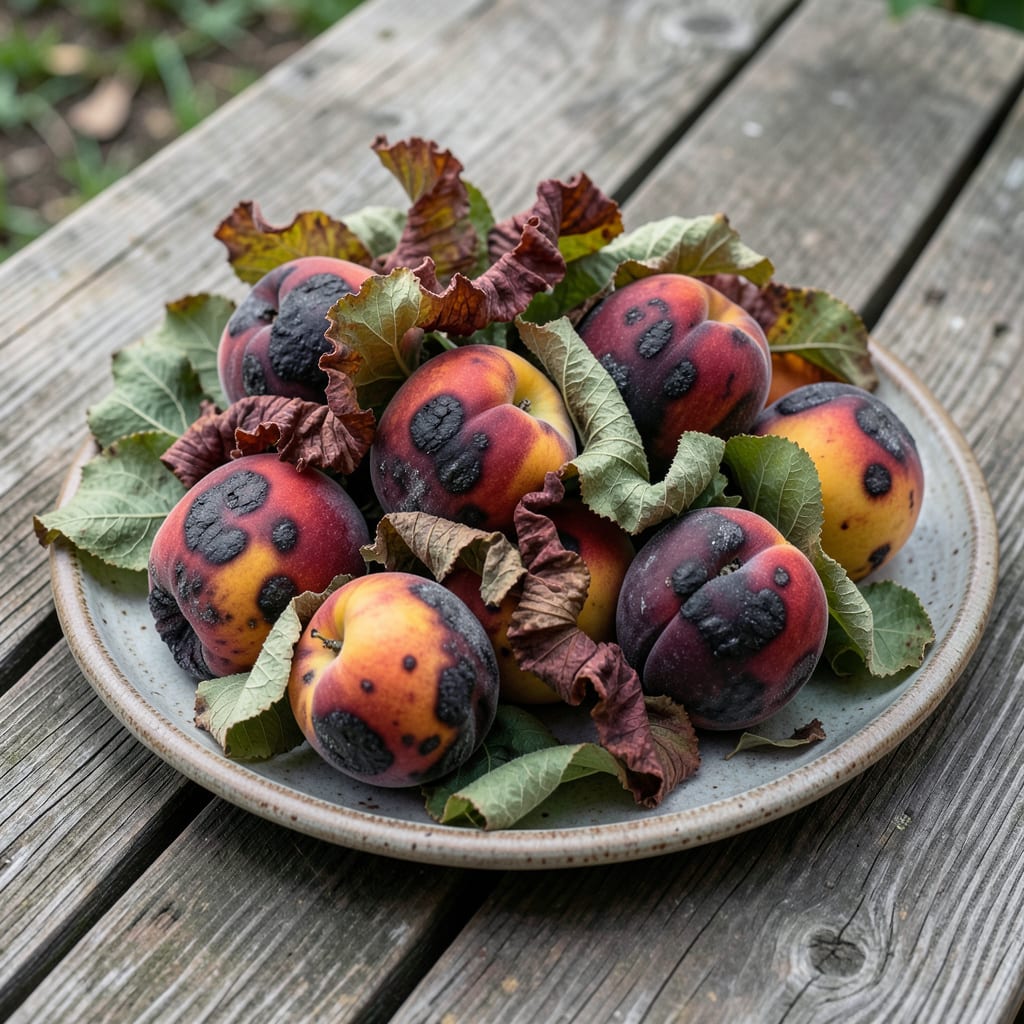
Red, puckered leaves on your peach tree mean trouble. Curly leaf is the most common disease I see in orchards every spring, and it can wipe out your fruit production if left unchecked.
I learned the hard way that prevention beats cure. This fungus overwinters in bark and buds, then strikes when conditions are cool and wet. The good news? You can stop it with timing and the right natural treatments.
Your tree isn’t doomed. With proper care, even severely affected trees can recover and produce healthy fruit the following year. The key is acting early before buds swell.
Works for all stone fruit, not just peaches. Here’s what to do before it’s too late.
Understanding the root causes of curly leaf in peach trees is key to effective prevention and treatment. This condition, also known as peach leaf curl, is primarily driven by environmental and pathological factors. Below are the most common triggers:
The primary culprit is the fungus Taphrina deformans. This pathogen thrives in cool, wet conditions, infecting buds as they swell in early spring. Once inside, it disrupts normal cell growth, causing leaves to distort, thicken, and curl. The fungus overwinters in tree bark and bud scales, making it a persistent threat if not managed.
Prolonged rainfall or excessive irrigation during bud break creates the perfect environment for Taphrina deformans to spread. Moisture allows fungal spores to germinate and penetrate young leaves. Regions with wet springs often see higher incidences of curly leaf disease, as the fungus requires water to complete its life cycle.
Cool temperatures (50–70°F) during bud swell and early leaf development accelerate fungal activity. Sudden temperature swings can also stress the tree, weakening its natural defenses. Trees in areas with unpredictable spring weather are particularly vulnerable to infection.
Stressed or malnourished peach trees are more susceptible to fungal infections. Lack of proper pruning, inadequate fertilization, or waterlogged soil can compromise a tree’s immune response. Ensuring optimal growing conditions strengthens the tree’s ability to resist Taphrina deformans.
Addressing these factors through proactive care and timely interventions can significantly reduce the risk of curly leaf disease.
If your peach tree’s leaves are curling, act fast to restore its health. Below are targeted solutions for the most common causes, along with prevention tips to keep your tree thriving.
Remove infected branches and leaves immediately to stop the spread. Use sterilized pruning shears and dispose of the debris far from the tree. Apply a copper-based fungicide or neem oil to the remaining foliage, following label instructions. For prevention, improve air circulation by thinning branches and avoid overhead watering.
Aphids and mites often cause leaf curl. Blast them off with a strong water spray early in the morning. For stubborn pests, use insecticidal soap or horticultural oil, applying in the evening to avoid harming beneficial insects. 💡 Prevention tip: Encourage ladybugs and lacewings—natural predators—by planting companion flowers like marigolds.
Overwatering, drought, or extreme heat can stress the tree. Ensure consistent moisture—water deeply once a week, more in dry spells. Mulch around the base to retain soil moisture. If heat is the issue, provide afternoon shade for young trees. 🌡️ Prevention tip: Test soil drainage before planting to avoid waterlogged roots.
Yellowing or curling leaves may signal a lack of nitrogen, potassium, or zinc. Use a balanced fertilizer (10-10-10) or a zinc foliar spray for quick correction. Test soil pH—peach trees prefer 6.0–6.5. ✨ Prevention tip: Amend soil with compost annually to maintain nutrient levels.
The fungus Taphrina deformans is the main culprit. It thrives in cool, wet spring conditions, infecting new leaves as buds open. The disease disrupts normal growth, creating the telltale curled, discolored foliage.
Yes, the fruit remains safe to eat if the infection is limited to leaves. However, severe cases may reduce fruit quality or quantity. Always wash produce thoroughly before consuming.
Apply copper-based fungicide in late winter before buds swell, then again after petals fall. This timing protects new growth from spores. Avoid spraying during bloom to protect pollinators.
Mild cases often resolve as weather warms, but the fungus remains in the tree. Without treatment, it will likely return next year. Prune affected areas and apply fungicide for best recovery.
