
Beautiful Plants For Your Interior
Beautiful Plants For Your Interior
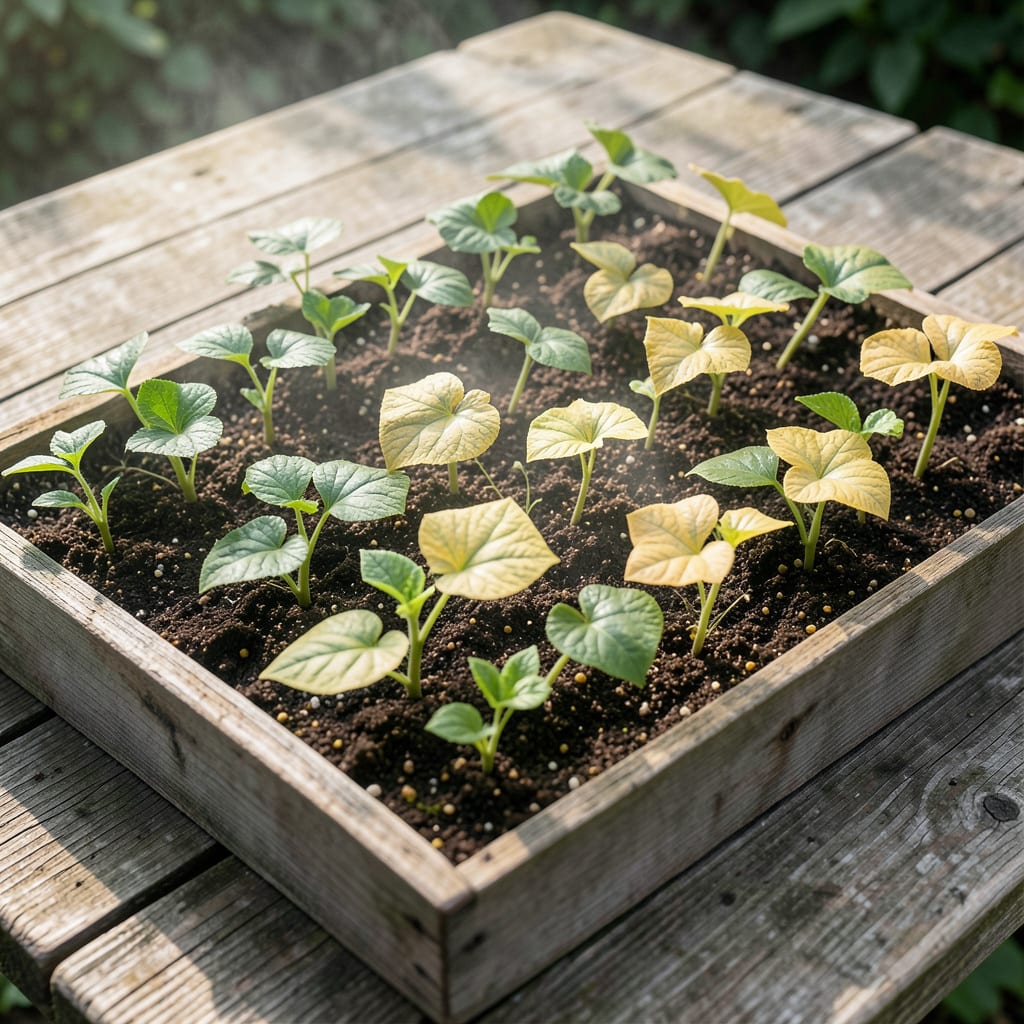
Yellow cucumber seedlings signal trouble, but it’s often an easy fix. I’ve saved countless trays by catching the problem early—before it spreads to the whole crop.
Most cases come down to four culprits: too much water, not enough light, hungry roots, or sneaky pests. The leaves tell the story—wilting means overwatering, pale yellow suggests nitrogen hunger, and spots might mean disease.
You can turn this around in 24-48 hours with simple adjustments. Move them to brighter light, ease up on watering, or add a mild fertilizer. The recovery is surprisingly fast once you hit the right issue.
Don’t wait for the yellow to spread. Check your seedlings daily and act at the first sign. That’s the difference between a minor setback and a lost planting.
Cucumber seedlings turning yellow often signal underlying issues that disrupt their growth. Here are the most common causes, explained with actionable insights:
Excess moisture suffocates roots, reducing oxygen uptake and causing chlorosis (yellowing). Soggy soil also promotes fungal diseases like Pythium or Phytophthora, which rot roots. Fix: Ensure pots have drainage holes and water only when the top inch of soil is dry.
Yellowing often points to nitrogen deficiency (uniform pale yellow leaves) or iron/magnesium shortages (interveinal yellowing). Seedlings in poor soil or over-fertilized mixes (causing nutrient lockout) are especially vulnerable. Fix: Use a balanced, water-soluble fertilizer (e.g., 10-10-10) or amend soil with compost.
Cucumbers thrive at 70–90°F. Cold snaps (<50°F) or heatwaves (>95°F) disrupt chlorophyll production, leading to yellow, stunted leaves. Fix: Use row covers for cold nights or shade cloth for excessive heat. Avoid placing seedlings near drafty windows.
Spider mites, aphids, or whiteflies sap nutrients from leaves, causing yellow stippling or mottling. Check undersides of leaves for webbing or tiny insects. Fix: Spray with insecticidal soap or neem oil, and introduce beneficial insects like ladybugs.
Fungal diseases like powdery mildew (white powdery spots) or bacterial leaf spot (yellow halos) stress seedlings. Overhead watering and crowded plants worsen spread. Fix: Improve airflow, water at the base, and apply copper-based fungicides preventatively.
Don’t panic—yellow cucumber seedlings can often bounce back with the right care. Below are targeted fixes for the most common causes, plus tips to keep your plants thriving.
If yellowing starts with older leaves, your seedlings may lack nitrogen. Use a balanced, water-soluble fertilizer (10-10-10) and apply at half-strength weekly. For iron or magnesium deficiencies (yellowing between leaf veins), spray with chelated iron or Epsom salt (1 tbsp per gallon of water). Prevention tip: 💡 Test soil before planting and amend with compost for long-term fertility.
Soggy soil suffocates roots, while dry soil stresses plants. Check moisture by sticking your finger 1 inch deep—water only if dry. Ensure pots have drainage holes and use well-draining potting mix. Prevention tip: ✨ Water in the morning to reduce evaporation and fungal risks.
Leggy, pale seedlings often need more light. Move them to a south-facing window or use grow lights (12–16 hours/day, 6–12 inches above plants). If leaves scorch from too much sun, provide shade cloth. Prevention tip: 🎯 Rotate seedling trays daily for even light exposure.
Inspect leaves for aphids, spider mites, or white powdery mildew. Blast pests off with water or apply neem oil (1 tbsp per gallon). For fungal issues, improve airflow and avoid wetting foliage. Prevention tip: 🌡️ Space seedlings 2–3 inches apart to reduce humidity buildup.
Act fast, and your cucumber seedlings will be back to vibrant green in no time!
Check the soil 1 inch deep. If it’s soggy, it’s overwatered; if dry, it needs water. Overwatered leaves look wilted and yellow, while underwatered ones feel crispy.
Severely yellow leaves won’t recover, but new growth will if you fix the issue. Trim damaged leaves to redirect energy to healthy ones.
A balanced 10-10-10 or 5-5-5 water-soluble fertilizer at half strength works well. For iron issues, use chelated iron or 1 tablespoon Epsom salt per gallon.
Yes! Tiny pests like spider mites can be invisible but still damage leaves. Inspect undersides with a magnifying glass and treat with neem oil if needed.
